
Diamond DA62 Replica And Patola Silk Kite: India Presents Unique Gifts To German Chancellor Friedrich Merz

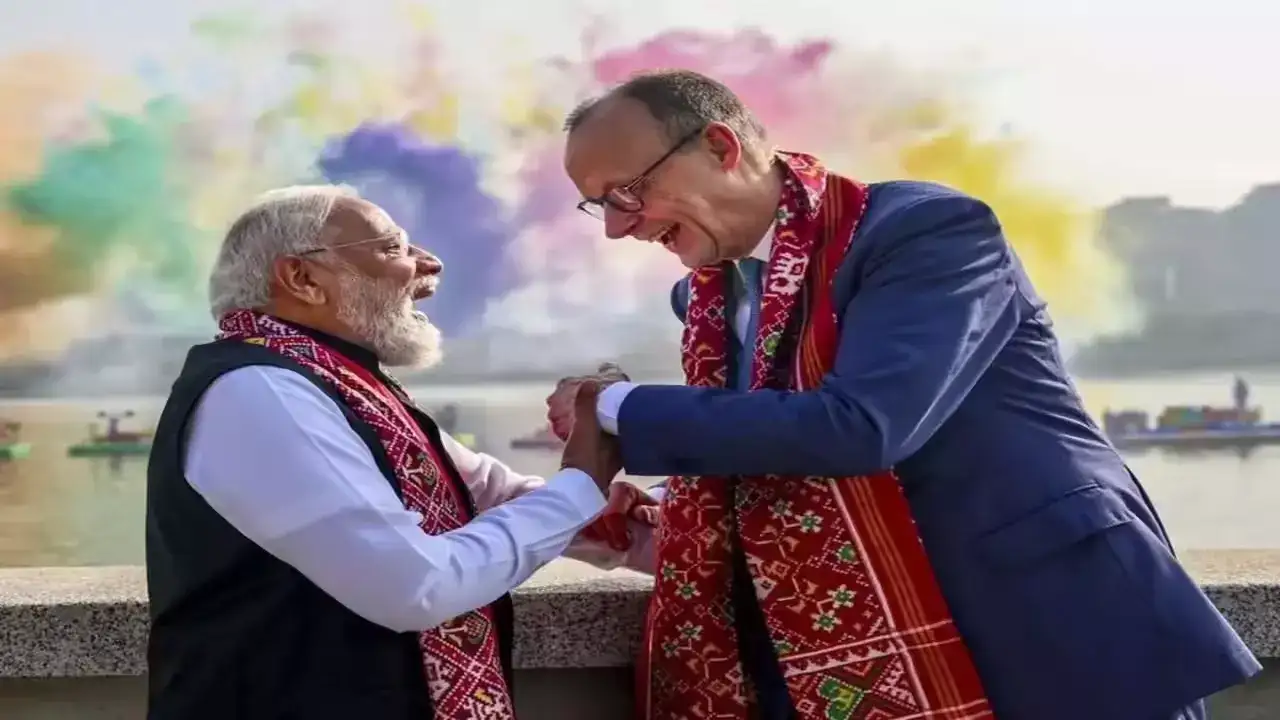
India presented two handcrafted artefacts to the Chancellor of the Federal Republic of Germany, Friedrich Merz, as part of an official diplomatic engagement. The gifts were selected to showcase traditional Indian craftsmanship and represent different regional art forms. Both items were produced by skilled artisans using established techniques, highlighting India’s long-standing traditions in metalwork and textile weaving.
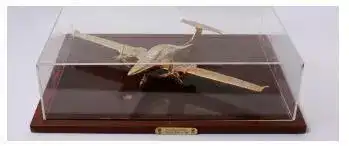
The Diamond DA62 aircraft model is recognised for its modern design and operational efficiency. The replica reflects precise detailing and technical accuracy, achieved through traditional metalworking skills. The artefact combines a contemporary aircraft design with Indian brass craftsmanship techniques.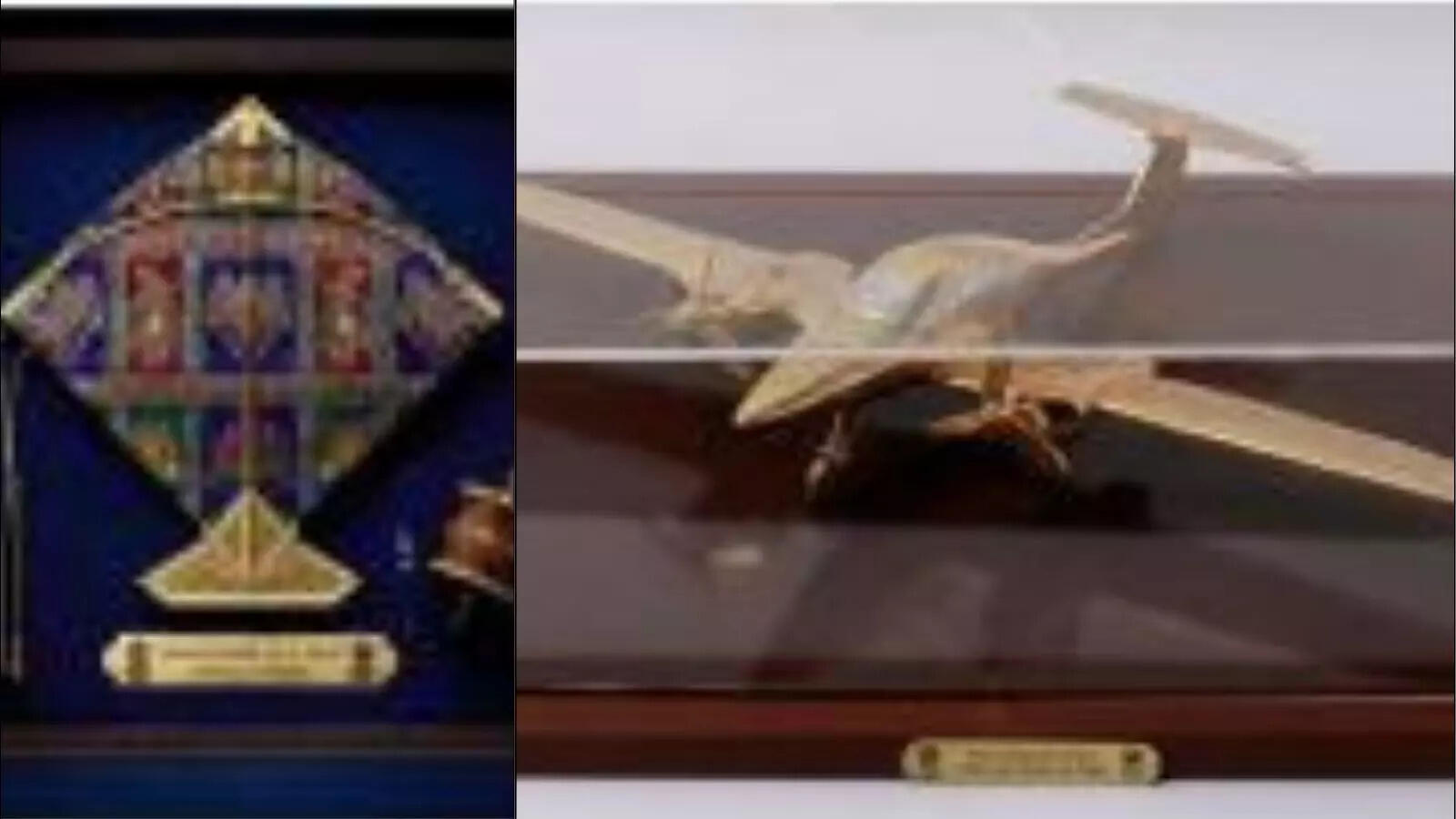
Moradabad-based artisans are known for producing decorative and functional metal items for both domestic and international markets. The inclusion of this replica highlights the role of traditional craft clusters in producing high-quality artefacts for official and ceremonial use.
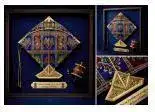
The kite features traditional geometric and floral patterns commonly associated with Patola textiles. The fabric is known for its durability, colour retention and intricate design precision. The kite format allows the textile to be displayed as a decorative artefact rather than a functional object.
Patola silk weaving is a time-intensive process that requires advanced planning and coordination at every stage of production. The finished piece reflects the technical skill involved in maintaining symmetry and consistency throughout the weaving process.
The selection of handcrafted items aligns with the use of traditional Indian artefacts in formal diplomatic exchanges. Such gifts are typically chosen to reflect cultural heritage, skilled workmanship and established craft techniques rather than commercial value.
Brass Replica Of Diamond DA62 Aircraft
One of the gifts presented was a hand-crafted brass replica of the Diamond DA62 propeller aircraft. The artefact was created by artisans based in Moradabad, Uttar Pradesh, a city widely known for metal craftsmanship. The replica was produced using detailed manual processes and finished with gold plating.The Diamond DA62 aircraft model is recognised for its modern design and operational efficiency. The replica reflects precise detailing and technical accuracy, achieved through traditional metalworking skills. The artefact combines a contemporary aircraft design with Indian brass craftsmanship techniques.
Moradabad-based artisans are known for producing decorative and functional metal items for both domestic and international markets. The inclusion of this replica highlights the role of traditional craft clusters in producing high-quality artefacts for official and ceremonial use.
Wall-Mountable Kite Made From Patola Silk
The second gift was a wall-mountable kite crafted using Patola silk, a textile that originates from Patan in Gujarat. Patola silk is produced using the double-ikat weaving technique, in which both the warp and weft threads are resist-dyed before weaving. This process ensures that patterns are clearly visible and aligned on both sides of the fabric.The kite features traditional geometric and floral patterns commonly associated with Patola textiles. The fabric is known for its durability, colour retention and intricate design precision. The kite format allows the textile to be displayed as a decorative artefact rather than a functional object.
Patola silk weaving is a time-intensive process that requires advanced planning and coordination at every stage of production. The finished piece reflects the technical skill involved in maintaining symmetry and consistency throughout the weaving process.
Representation Of Indian Craft Traditions
Both gifts highlight different aspects of Indian artisanal heritage. The brass aircraft replica represents metal craftsmanship from northern India, while the silk kite reflects textile traditions from western India. Together, they present a cross-section of regional craft practices.The selection of handcrafted items aligns with the use of traditional Indian artefacts in formal diplomatic exchanges. Such gifts are typically chosen to reflect cultural heritage, skilled workmanship and established craft techniques rather than commercial value.
Next Story