
Galgotias University Clarifies Professor Neha Singh Not Suspended After Robodog AI Summit Controversy

In the wake of a surprising tech event mix-up at the India AI Impact Summit 2026 in New Delhi, Galgotias University has stepped forward to clear the air about Professor Neha Singh ’s employment status. After a video of her showcasing a robotic dog went viral, speculation spread online about whether she had been suspended or fired. The university has firmly stated that she is not suspended and has been told to stay on at the institution while an internal investigation continues.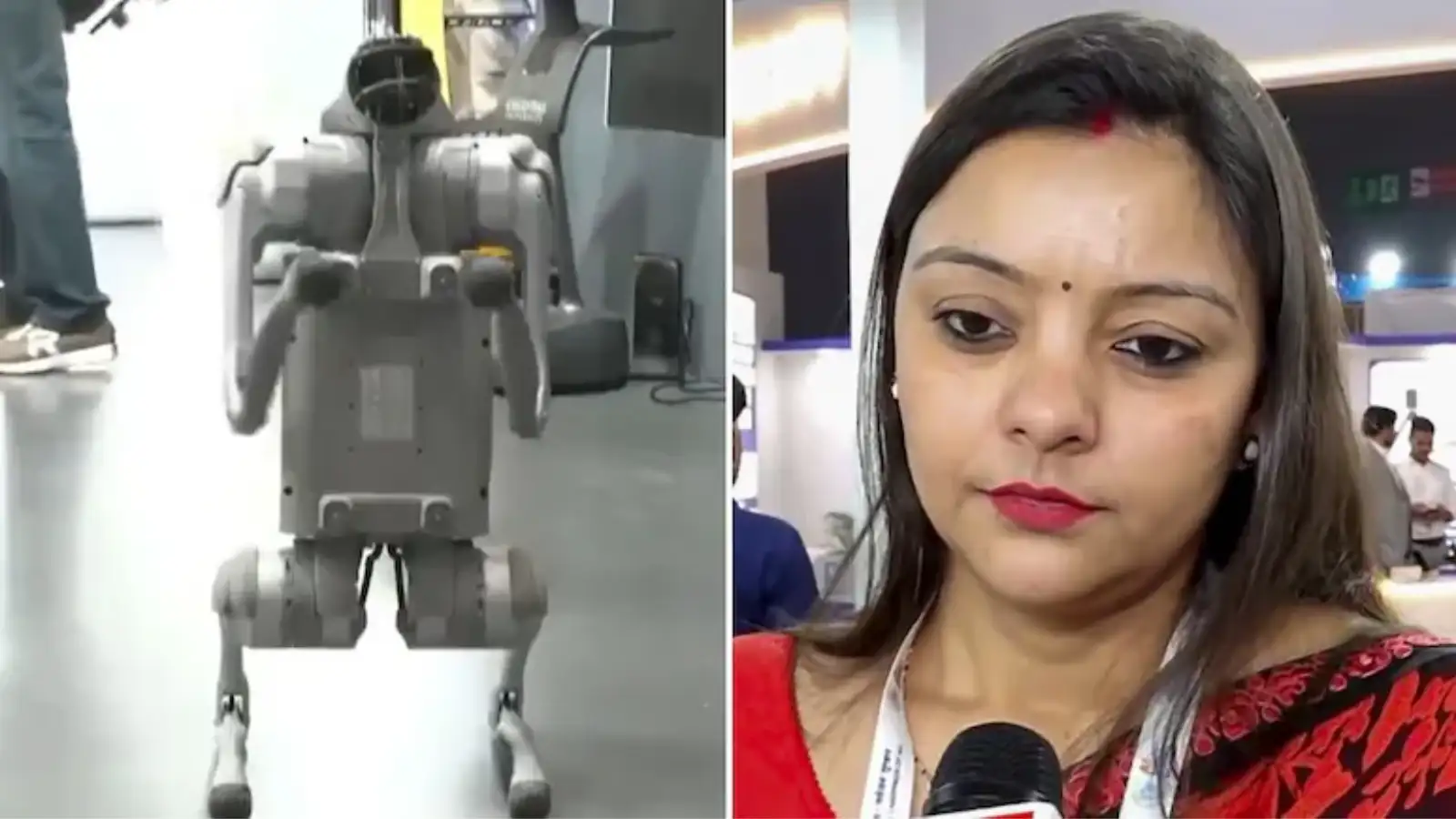
This clarification comes after Professor Singh’s LinkedIn profile showed an “Open to Work” status, which many interpreted as an indicator that she had lost her job following the robodog controversy.
However, online observers quickly pointed out that the robot was not a creation of the university, but a commercially available model known as the Unitree Go2, made by the Chinese robotics company Unitree and sold widely in India.
By the next day, summit organisers informed Galgotias University that its exhibit would be removed from the event entirely amid the controversy over the robot’s origins.
The university added, “We request your kind understanding as there was no institutional intent to misrepresent this innovation.”
Registrar Nitin Kumar Gaur also made it clear that Professor Singh’s LinkedIn status did not represent a suspension or termination. He told ANI news agency that she had been instructed to remain with the university while the probe into the incident continues, and that the institution should not be judged solely on one person’s mistake.
She emphasised that the university had never claimed to have manufactured the robot itself. Instead, her intention was to showcase technology that could inspire students to work toward creating even more advanced innovations in artificial intelligence.
However, this profile update on its own does not confirm a change in her employment status, and Galgotias University has made it clear her job is secure while the matter is investigated further.
The controversy around the robot dog has sparked broader conversations about academic transparency and innovation representation at major tech events, especially when globally visible platforms like the India AI Impact Summit are involved.
The university’s focus, leaders say, is on education and innovation and supporting students in gaining exposure to advanced technologies that can fuel future breakthroughs.
This clarification comes after Professor Singh’s LinkedIn profile showed an “Open to Work” status, which many interpreted as an indicator that she had lost her job following the robodog controversy.
What Happened at the AI Summit and How the Robodog Row Started
The issue began at the India AI Impact Summit 2026, where Professor Neha Singh presented a quadruped robot called “Orion” at Galgotias University’s exhibit. She introduced it as an in-house innovation developed by the university’s Centre of Excellence.However, online observers quickly pointed out that the robot was not a creation of the university, but a commercially available model known as the Unitree Go2, made by the Chinese robotics company Unitree and sold widely in India.
By the next day, summit organisers informed Galgotias University that its exhibit would be removed from the event entirely amid the controversy over the robot’s origins.
Official Apology and University’s Explanation
In an official apology, Galgotias University described Professor Singh as one of its representatives at the summit who was “ill-informed” and not authorised to speak to the press. The university’s statement said she was “not aware of the technical origins of the product and in her enthusiasm of being on camera, gave factually incorrect information.”The university added, “We request your kind understanding as there was no institutional intent to misrepresent this innovation.”
Registrar Nitin Kumar Gaur also made it clear that Professor Singh’s LinkedIn status did not represent a suspension or termination. He told ANI news agency that she had been instructed to remain with the university while the probe into the incident continues, and that the institution should not be judged solely on one person’s mistake.
Professor Neha Singh Responds to the Controversy
Professor Neha Singh has also addressed the uproar, saying the misunderstanding occurred because “things may not have been expressed clearly and the intent may not have been properly understood.”She emphasised that the university had never claimed to have manufactured the robot itself. Instead, her intention was to showcase technology that could inspire students to work toward creating even more advanced innovations in artificial intelligence.
Why the LinkedIn “Open to Work” Status Caused a Stir
The LinkedIn frame showing Professor Singh as “Open to Work” was widely shared and helped fuel rumours that she had been dismissed after the summit incident.However, this profile update on its own does not confirm a change in her employment status, and Galgotias University has made it clear her job is secure while the matter is investigated further.
The controversy around the robot dog has sparked broader conversations about academic transparency and innovation representation at major tech events, especially when globally visible platforms like the India AI Impact Summit are involved.
What Comes Next as Galgotias Probes the Incident
Galgotias University is now conducting an internal inquiry to understand how the robodog incident unfolded and why the situation was miscommunicated. Administrators say they want to ensure such mistakes are not repeated and protect the reputation of both the university and, more broadly, India’s position in global AI discussions.The university’s focus, leaders say, is on education and innovation and supporting students in gaining exposure to advanced technologies that can fuel future breakthroughs.
Next Story