
Govt Directs Refineries To Boost LPG Output; PNG And CNG Supply To Continue Normally

Govt Moves To Expand LPG Output; PNG And CNG Distribution To Remain Unaffected: India’s domestic cooking gas supply has received a policy push after the government activated provisions under the Essential Commodities Act to strengthen the availability of liquefied petroleum gas. The move aims to prevent any disruption in the supply of LPG used in millions of households across the country. By directing refineries and petrochemical facilities to prioritise LPG production, authorities are ensuring that domestic cooking needs remain protected even if industrial demand for hydrocarbons rises.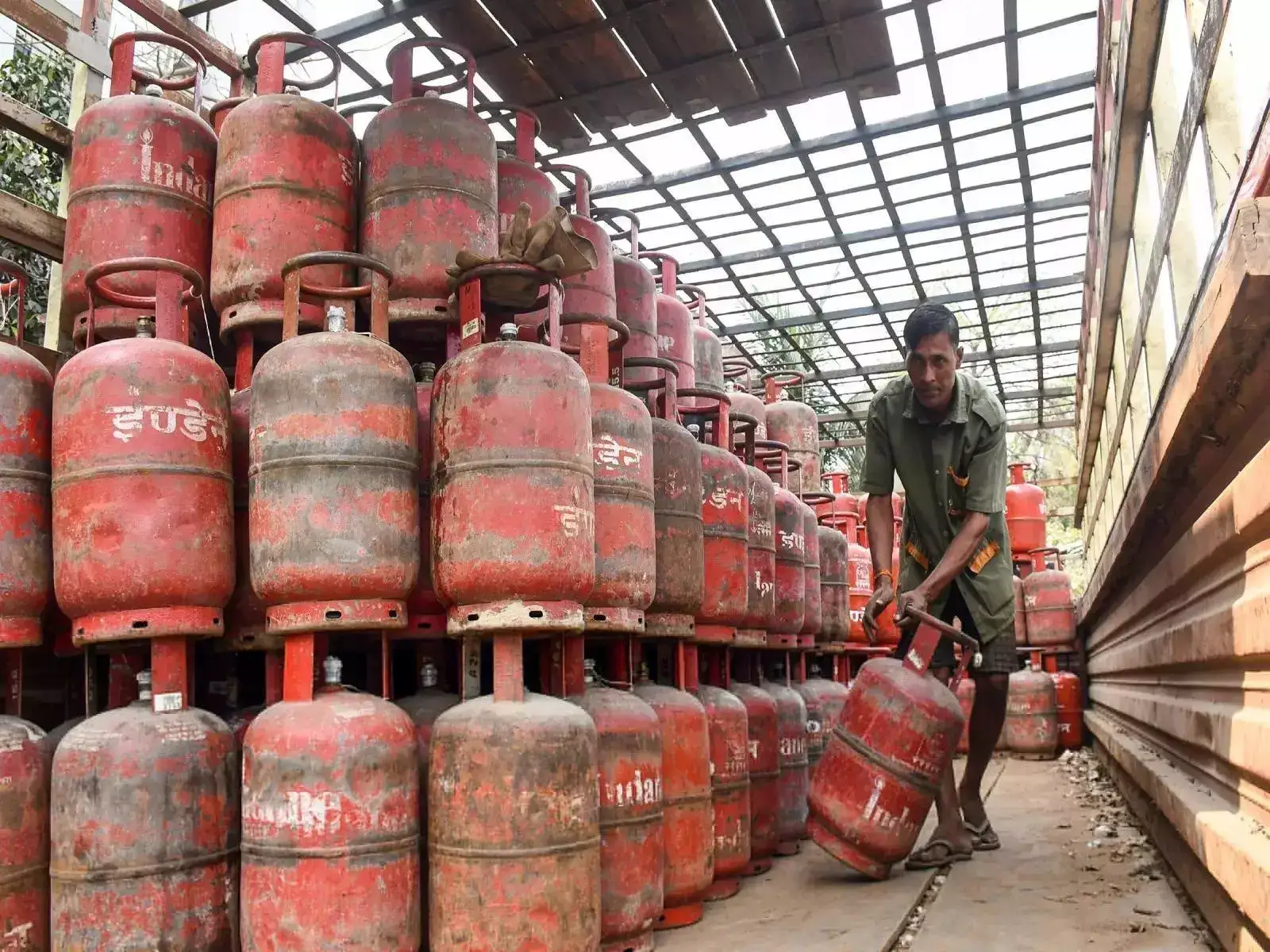
Under the new order, the entire output of these streams must be utilised to strengthen the LPG supply chain. This decision effectively prioritises cooking gas production over petrochemical manufacturing activities that also rely on the same raw materials.
The measure is intended to maintain an uninterrupted supply of LPG cylinders for domestic consumers across India, where cooking gas remains a primary household fuel.
Together, these three firms manage the vast majority of the country’s domestic LPG distribution network. By ensuring that the redirected production is channelled through these companies, the government aims to streamline supply and ensure efficient delivery of cooking gas to households.
The order also makes it clear that LPG produced through this arrangement must be used strictly for domestic consumption rather than commercial or industrial purposes.
Officials have emphasised that LPG plays a critical role in everyday domestic life, especially in urban and rural households where it is widely used for cooking. Maintaining consistent availability of the fuel is therefore considered a matter of public importance.
By preventing diversion to industrial use, the government intends to avoid shortages that could affect consumers.
Authorities believe that maintaining flexibility through such directives allows the government to respond quickly if market conditions change or if supply pressures emerge.
Historically, the law has been used to stabilise the availability of food grains and other crucial commodities. In recent years, however, its scope has been refined through amendments that limit government intervention to extraordinary situations.
The amendment also set specific thresholds for price rise before regulatory action could be taken. For horticultural produce, intervention would require a retail price increase of 100 per cent, while non-perishable food items would require a rise of 50 per cent.
Despite these changes, the government has continued to invoke the Act when necessary to stabilise domestic supply and control price volatility. In recent years, it has used the law to regulate the availability of commodities such as wheat, sugar and other essential goods to protect consumer interests.
The latest directive regarding LPG supply reflects a similar approach. By ensuring that refineries prioritise cooking gas production, the government aims to safeguard an essential household fuel and maintain reliable availability for millions of consumers across the country.
Government Directs Refineries To Increase LPG Output
The Ministry of Petroleum and Natural Gas has issued a directive requiring refineries to redirect key hydrocarbon streams towards LPG production. These streams include propane, butane, propylene and butene, which are commonly referred to as C3 and C4 streams within the petroleum industry.Under the new order, the entire output of these streams must be utilised to strengthen the LPG supply chain. This decision effectively prioritises cooking gas production over petrochemical manufacturing activities that also rely on the same raw materials.
The measure is intended to maintain an uninterrupted supply of LPG cylinders for domestic consumers across India, where cooking gas remains a primary household fuel.
Supply To Be Routed Through Three Major Oil Marketing Companies
The directive further specifies that the hydrocarbon streams redirected for LPG production must be supplied exclusively to three government-owned oil marketing companies. These companies are Indian Oil Corporation, Bharat Petroleum Corporation and Hindustan Petroleum Corporation.Together, these three firms manage the vast majority of the country’s domestic LPG distribution network. By ensuring that the redirected production is channelled through these companies, the government aims to streamline supply and ensure efficient delivery of cooking gas to households.
The order also makes it clear that LPG produced through this arrangement must be used strictly for domestic consumption rather than commercial or industrial purposes.
Petrochemical Diversion Restricted To Protect Household Fuel
As part of the directive, refineries and petrochemical plants have been instructed not to divert these hydrocarbon streams for petrochemical manufacturing or other downstream applications. The restriction has been introduced to make sure that the materials required for LPG production remain dedicated to meeting household demand.Officials have emphasised that LPG plays a critical role in everyday domestic life, especially in urban and rural households where it is widely used for cooking. Maintaining consistent availability of the fuel is therefore considered a matter of public importance.
By preventing diversion to industrial use, the government intends to avoid shortages that could affect consumers.
Order Replaces Earlier Directive
According to the ministry’s notification, the latest directive replaces a previous order issued earlier this month. The updated instruction will remain effective until further notice.Authorities believe that maintaining flexibility through such directives allows the government to respond quickly if market conditions change or if supply pressures emerge.
Understanding The Essential Commodities Act
The Essential Commodities Act of 1955 has long served as a tool for the government to regulate the supply and distribution of critical goods. It allows authorities to intervene when shortages, price spikes or hoarding threaten public access to essential items.Historically, the law has been used to stabilise the availability of food grains and other crucial commodities. In recent years, however, its scope has been refined through amendments that limit government intervention to extraordinary situations.
Amendments And Recent Use Of The Law
In 2020, Parliament amended the legislation to reduce routine government control over certain agricultural commodities such as cereals, pulses, potatoes, onions and edible oils. Under the revised framework, the government can impose stock limits on these items only under exceptional circumstances such as war, famine, severe natural disasters or extreme price increases.The amendment also set specific thresholds for price rise before regulatory action could be taken. For horticultural produce, intervention would require a retail price increase of 100 per cent, while non-perishable food items would require a rise of 50 per cent.
Despite these changes, the government has continued to invoke the Act when necessary to stabilise domestic supply and control price volatility. In recent years, it has used the law to regulate the availability of commodities such as wheat, sugar and other essential goods to protect consumer interests.
The latest directive regarding LPG supply reflects a similar approach. By ensuring that refineries prioritise cooking gas production, the government aims to safeguard an essential household fuel and maintain reliable availability for millions of consumers across the country.
Next Story