
Highway And Expressway Toll Charges Revised From April 1, What Motorists Need To Know

The start of the new financial year on 1 April 2026 is likely to bring an immediate rise in road travel costs for motorists using some of India’s busiest national highways and expressways. A likely revision in toll charges by the National Highways Authority of India could impact daily commuters as well as long-distance travellers, especially on major routes linked to Delhi, Bengaluru and Mumbai. The move is expected to increase travel expenses from the very first day of April, adding fresh pressure on household and transport budgets.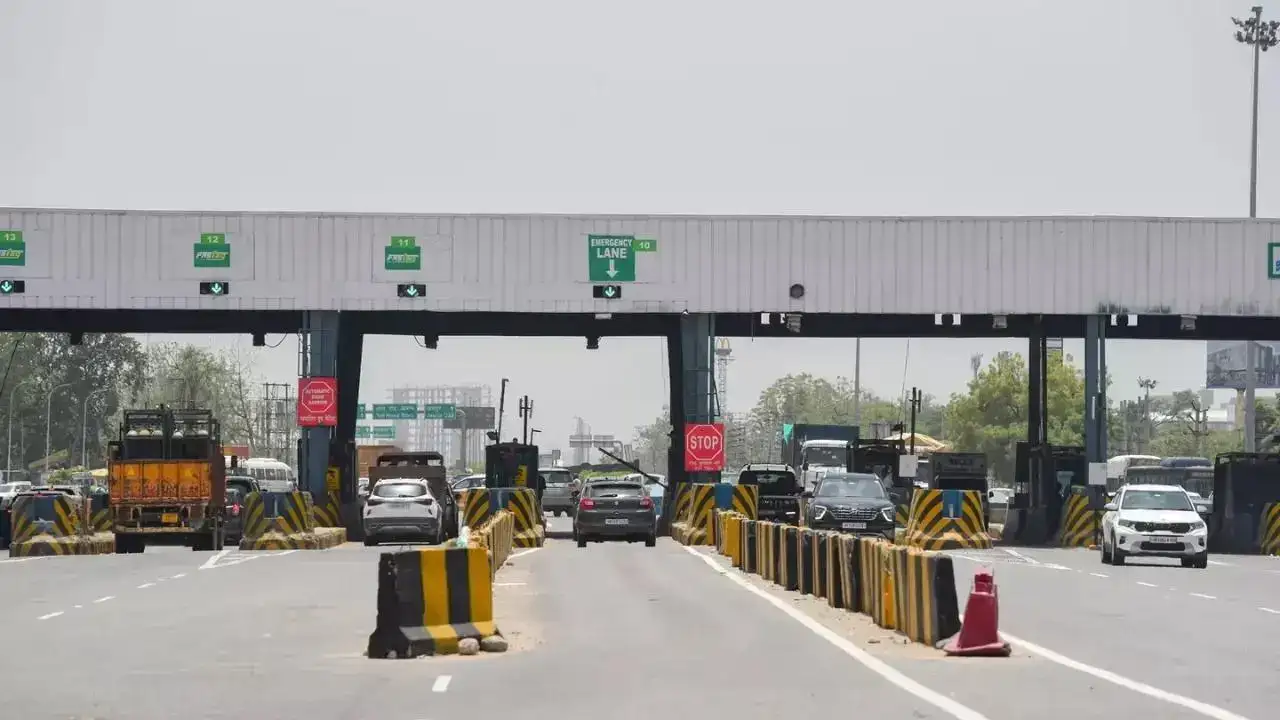
For regular users, even a modest percentage hike can translate into a noticeable increase in monthly commuting expenses. This is particularly significant for office-goers, commercial vehicle operators and intercity travellers who depend on expressways for daily movement.
Reports suggest the revised rates could raise the overall cost of frequent travel on this corridor meaningfully over time. For those using the expressway every day, the cumulative impact over a month could be substantial, especially for private car owners and transport fleets.
The route has become one of the most preferred travel links because of reduced journey time and smoother connectivity. A higher toll outgo, however, may now force some commuters to reassess travel budgets or consider alternate routes.
Among them, the Bengaluru-Mysuru Highway stands out as a key route likely to become more expensive for motorists. The corridor has seen rising traffic volumes and remains a crucial economic link in Karnataka.
Similarly, Airport Road in Bengaluru, Tamil Nadu’s East Coast Road and the Madurai Ring Road are also expected to be part of the broader toll revision. These routes serve both daily commuters and tourism-driven traffic, which means the impact may be felt across multiple traveller categories.
The Bharthana toll plaza, considered among the busiest points on this route, is also likely to see revised rates. For logistics firms and frequent highway users, this may marginally raise transport costs, which could eventually influence freight pricing as well.
As 1 April marks the formal start of the revised financial cycle, motorists across India are beginning the year with the prospect of higher travel expenses. While the increase may vary by route, the broader takeaway is clear: highway journeys on several premium corridors are poised to become costlier from today onward.
Toll Revision Likely From 1 April 2026
With the financial year beginning today, 1 April, highway users may see revised toll charges kick in across several major routes. The proposed increase is expected to be around 5 per cent on select stretches, in line with the annual toll adjustment mechanism generally linked to inflation and road maintenance costs.For regular users, even a modest percentage hike can translate into a noticeable increase in monthly commuting expenses. This is particularly significant for office-goers, commercial vehicle operators and intercity travellers who depend on expressways for daily movement.
Delhi-Meerut Expressway Commute Set To Cost More
One of the most closely watched corridors is the Delhi-Meerut Expressway, a critical route for thousands of daily commuters. The likely toll increase on this stretch is expected to directly affect those travelling between the National Capital Region and western Uttar Pradesh.Reports suggest the revised rates could raise the overall cost of frequent travel on this corridor meaningfully over time. For those using the expressway every day, the cumulative impact over a month could be substantial, especially for private car owners and transport fleets.
The route has become one of the most preferred travel links because of reduced journey time and smoother connectivity. A higher toll outgo, however, may now force some commuters to reassess travel budgets or consider alternate routes.
Other Major Highways Also In Line For Higher Charges
The expected toll revision is not limited to the Delhi-Meerut corridor. Several other strategically important highways and urban road links are also likely to witness higher user fees from 1 April.Among them, the Bengaluru-Mysuru Highway stands out as a key route likely to become more expensive for motorists. The corridor has seen rising traffic volumes and remains a crucial economic link in Karnataka.
Similarly, Airport Road in Bengaluru, Tamil Nadu’s East Coast Road and the Madurai Ring Road are also expected to be part of the broader toll revision. These routes serve both daily commuters and tourism-driven traffic, which means the impact may be felt across multiple traveller categories.
Delhi-Mumbai Expressway Users May Also Feel The Pinch
Travellers using the Delhi-Mumbai Expressway may also need to prepare for higher toll payments. As one of India’s most ambitious road infrastructure projects, the corridor handles heavy passenger and freight movement.The Bharthana toll plaza, considered among the busiest points on this route, is also likely to see revised rates. For logistics firms and frequent highway users, this may marginally raise transport costs, which could eventually influence freight pricing as well.
As 1 April marks the formal start of the revised financial cycle, motorists across India are beginning the year with the prospect of higher travel expenses. While the increase may vary by route, the broader takeaway is clear: highway journeys on several premium corridors are poised to become costlier from today onward.
Next Story