
Middle East Conflict Triggers LPG Concerns in India; Domestic Production Raised by 10%

India is taking urgent steps to manage concerns over a potential LPG shortage as geopolitical tensions in the Middle East continue to disrupt global energy supply chains. With the region playing a major role in supplying liquefied petroleum gas to India, the ongoing conflict has created uncertainty around imports and transportation routes.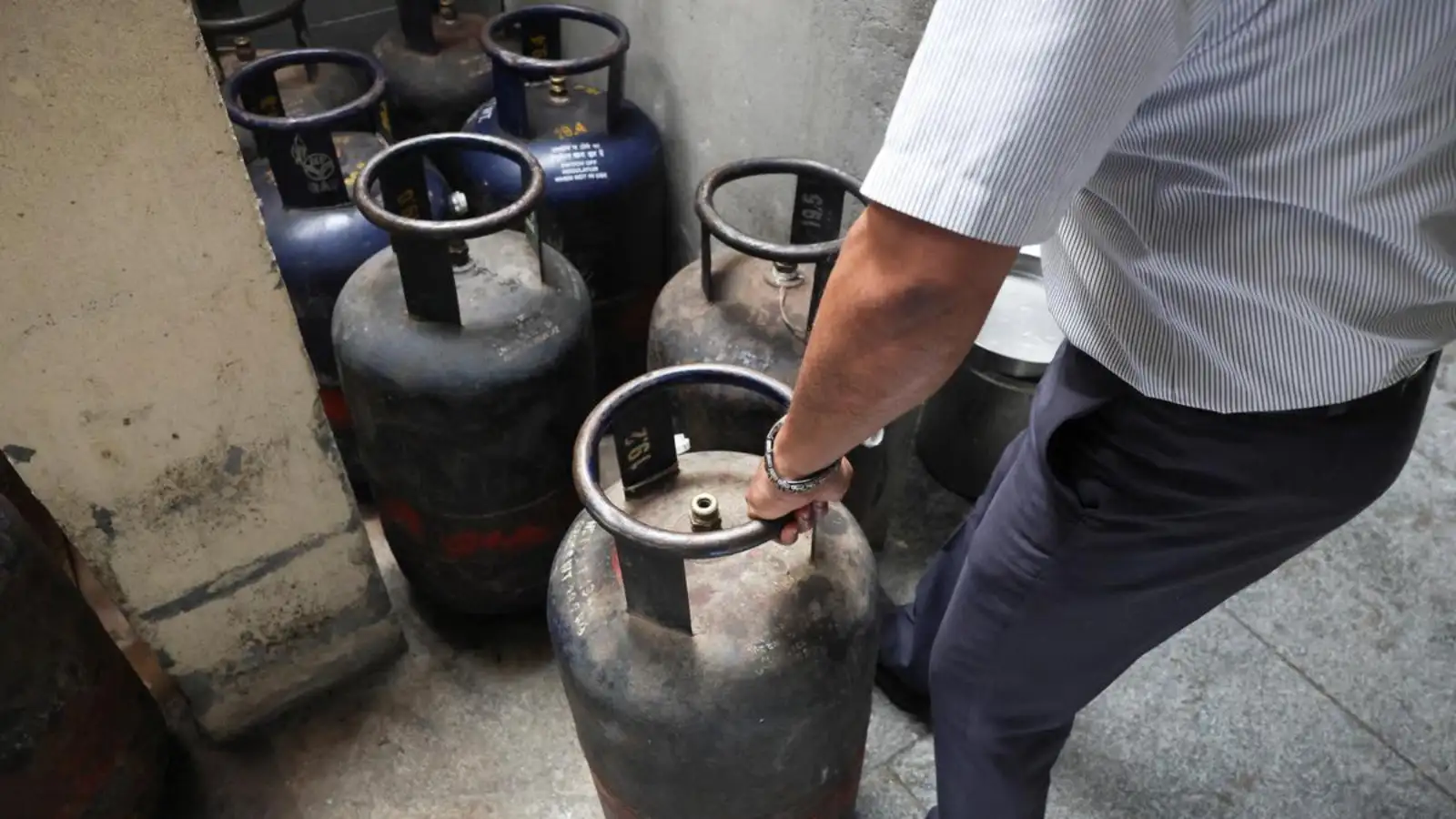
Government officials say the country is working to secure alternative LNG supplies while also increasing domestic LPG production to maintain stable fuel availability. These measures are aimed at protecting consumers and ensuring that cooking gas remains accessible across the country.
The current conflict has disrupted shipping routes and created logistical challenges for fuel shipments. Much of the LPG transported from Gulf countries passes through the Strait of Hormuz, one of the world’s most important energy transit routes. Any disruption in this corridor can slow deliveries and tighten global supply.
As a result, India is now looking at alternative sourcing options to ensure uninterrupted gas availability.
Diversifying supply sources helps reduce dependency on a single region and ensures that fuel shipments can continue even if disruptions occur in traditional supply routes. These efforts are part of a broader strategy to strengthen India’s energy security during global crises.
Boosting domestic production is seen as an immediate step to stabilize the supply chain. The additional LPG produced by refineries is being directed primarily toward domestic consumption to prevent shortages in the household cooking gas market.
These measures are also intended to reduce dependence on imported fuel during periods of geopolitical uncertainty.
To prevent hoarding and maintain equitable distribution, the government has introduced measures such as extending the waiting period between LPG refill bookings. This step is meant to stabilize supply and prevent panic buying while ensuring that households receive adequate gas cylinders.
Commercial users may experience tighter supply as authorities focus on meeting residential demand first.
Industries that use natural gas as fuel have also begun exploring alternative energy sources or adjusting production schedules to cope with supply disruptions.
Experts say that while the situation is being closely monitored, the government’s combination of domestic production increases and alternative imports is aimed at preventing a prolonged crisis.
The ongoing Middle East conflict has created new challenges for global energy supply chains, and India’s LPG imports have not been immune to these disruptions. Because the country relies heavily on imports from the Gulf region, any instability there can affect domestic fuel availability.
To address the issue, India has taken several steps, including boosting domestic LPG production by 10 percent and securing alternative LNG supplies from international partners. These measures are intended to ensure that cooking gas remains available for households and businesses despite global uncertainties.
As the geopolitical situation continues to evolve, India’s efforts to diversify energy sources and strengthen domestic production will play a key role in maintaining long-term energy security.
Government officials say the country is working to secure alternative LNG supplies while also increasing domestic LPG production to maintain stable fuel availability. These measures are aimed at protecting consumers and ensuring that cooking gas remains accessible across the country.
Why the Middle East Crisis Is Affecting LPG Supply
The Middle East is a key supplier of LPG and other energy resources for India. A large portion of India’s cooking gas imports comes from countries such as Qatar, Saudi Arabia and the United Arab Emirates. Because of this heavy reliance on Gulf suppliers, any geopolitical instability in the region can quickly affect fuel availability and prices.The current conflict has disrupted shipping routes and created logistical challenges for fuel shipments. Much of the LPG transported from Gulf countries passes through the Strait of Hormuz, one of the world’s most important energy transit routes. Any disruption in this corridor can slow deliveries and tighten global supply.
As a result, India is now looking at alternative sourcing options to ensure uninterrupted gas availability.
India Moves to Secure Alternative LNG Supplies
To reduce the risk of shortages, India has begun securing alternative LNG supplies from global suppliers outside the affected region. Officials say the government is engaging with multiple international energy companies and suppliers to diversify imports and maintain adequate fuel reserves.Diversifying supply sources helps reduce dependency on a single region and ensures that fuel shipments can continue even if disruptions occur in traditional supply routes. These efforts are part of a broader strategy to strengthen India’s energy security during global crises.
Domestic LPG Production Increased by 10 Percent
Along with securing alternative imports, the government has also instructed domestic refineries to increase LPG production. According to government sources, domestic output has already been raised by around 10 percent to meet potential demand pressures.Boosting domestic production is seen as an immediate step to stabilize the supply chain. The additional LPG produced by refineries is being directed primarily toward domestic consumption to prevent shortages in the household cooking gas market.
These measures are also intended to reduce dependence on imported fuel during periods of geopolitical uncertainty.
Priority Given to Household LPG Supply
Authorities have emphasized that domestic LPG consumers remain the top priority. Oil marketing companies have been directed to ensure that household cooking gas supply continues without disruption.To prevent hoarding and maintain equitable distribution, the government has introduced measures such as extending the waiting period between LPG refill bookings. This step is meant to stabilize supply and prevent panic buying while ensuring that households receive adequate gas cylinders.
Commercial users may experience tighter supply as authorities focus on meeting residential demand first.
Wider Impact on Businesses and Industries
The supply challenges linked to the Middle East conflict are already being felt in several sectors that rely on LPG and natural gas. Restaurants, hotels and other businesses that depend on commercial gas cylinders have reported difficulties in securing regular supplies in some areas.Industries that use natural gas as fuel have also begun exploring alternative energy sources or adjusting production schedules to cope with supply disruptions.
Experts say that while the situation is being closely monitored, the government’s combination of domestic production increases and alternative imports is aimed at preventing a prolonged crisis.
The ongoing Middle East conflict has created new challenges for global energy supply chains, and India’s LPG imports have not been immune to these disruptions. Because the country relies heavily on imports from the Gulf region, any instability there can affect domestic fuel availability.
To address the issue, India has taken several steps, including boosting domestic LPG production by 10 percent and securing alternative LNG supplies from international partners. These measures are intended to ensure that cooking gas remains available for households and businesses despite global uncertainties.
As the geopolitical situation continues to evolve, India’s efforts to diversify energy sources and strengthen domestic production will play a key role in maintaining long-term energy security.
Next Story