
Amid LPG Crisis, India Turns to Iran for Gas After 8 Years - Key Details

India’s LPG supply chain is feeling the heat of the ongoing West Asia conflict, and the government is now making quick moves to keep kitchens running. In a significant development, Indian Oil Corporation has purchased LPG from Iran for the first time in nearly eight years to ease the growing shortage.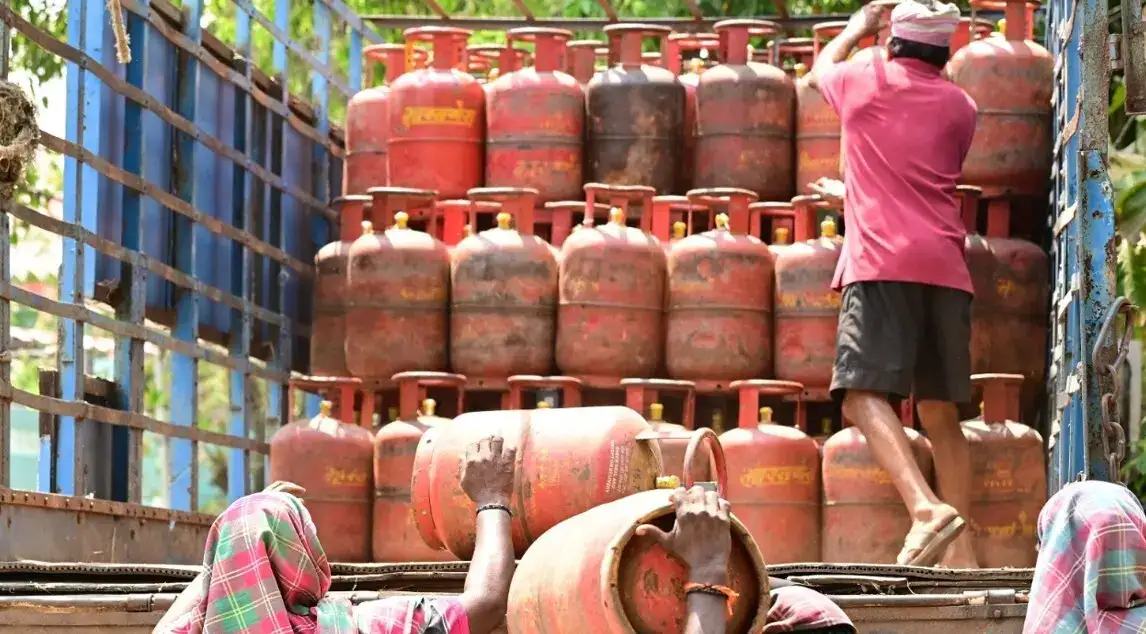
A Rare Deal After Years
The last time IOC bought LPG from Iran was in June 2018. Since then, India has relied on other suppliers, importing roughly 43,000 tonnes over the years. Now, amid supply stress, fresh volumes have been secured and will be shared with Bharat Petroleum Corporation Limited and Hindustan Petroleum Corporation Limited to balance distribution across the country.
What Made This Deal Possible?
This move comes after the United States granted India a temporary exemption to buy oil and gas from Iran. For years, strict US sanctions had blocked such transactions. With this short window now open, India has acted swiftly to secure additional fuel.
An LPG vessel named Sea Bird is already on its way and is expected to dock at Mangalore Port soon, bringing much-needed relief.
Why Is There a Shortage?
India depends heavily on imports for LPG, about two-thirds of its needs come from abroad, and nearly 90% of that supply is sourced from the Middle East. The current conflict has disrupted key shipping routes, especially through the Strait of Hormuz, a crucial passage for energy supplies.
With this route affected, deliveries have slowed, creating a ripple effect across the supply chain.
Impact on Daily Life
The shortage is no longer just a policy issue, it’s being felt on the ground. In several places, people are waiting in long queues for cylinders, while some households have even turned to traditional cooking methods like firewood.
To manage the situation, the government has cut LPG supply to commercial users such as hotels and restaurants. At the same time, it is fast-tracking piped natural gas (PNG) projects to reduce dependency on cylinders in the long run.
The Road Ahead
India’s quick pivot to Iran highlights how global geopolitics can directly impact everyday essentials. While the latest shipment may ease immediate pressure, long-term solutions, like diversifying suppliers and expanding PNG networks, are now more important than ever.
A Rare Deal After Years
The last time IOC bought LPG from Iran was in June 2018. Since then, India has relied on other suppliers, importing roughly 43,000 tonnes over the years. Now, amid supply stress, fresh volumes have been secured and will be shared with Bharat Petroleum Corporation Limited and Hindustan Petroleum Corporation Limited to balance distribution across the country. What Made This Deal Possible?
This move comes after the United States granted India a temporary exemption to buy oil and gas from Iran. For years, strict US sanctions had blocked such transactions. With this short window now open, India has acted swiftly to secure additional fuel.An LPG vessel named Sea Bird is already on its way and is expected to dock at Mangalore Port soon, bringing much-needed relief.
Why Is There a Shortage?
India depends heavily on imports for LPG, about two-thirds of its needs come from abroad, and nearly 90% of that supply is sourced from the Middle East. The current conflict has disrupted key shipping routes, especially through the Strait of Hormuz, a crucial passage for energy supplies.With this route affected, deliveries have slowed, creating a ripple effect across the supply chain.
Impact on Daily Life
The shortage is no longer just a policy issue, it’s being felt on the ground. In several places, people are waiting in long queues for cylinders, while some households have even turned to traditional cooking methods like firewood. To manage the situation, the government has cut LPG supply to commercial users such as hotels and restaurants. At the same time, it is fast-tracking piped natural gas (PNG) projects to reduce dependency on cylinders in the long run.
The Road Ahead
India’s quick pivot to Iran highlights how global geopolitics can directly impact everyday essentials. While the latest shipment may ease immediate pressure, long-term solutions, like diversifying suppliers and expanding PNG networks, are now more important than ever. Next Story