India Sets Its Own Air Quality Standards, Global Rankings Not Official: Centre

The Centre clarified in the Rajya Sabha on Thursday that there is currently no official global country-wise air pollution ranking, even though many popular lists often appear in media discussions. The government explained that widely referenced reports like the IQAir World Air Quality Report, WHO Global Air Quality Database, Environmental Performance Index and Global Burden of Disease metrics are not formal rankings released by any official global authority. This clarification helps place air pollution ranking and global air quality report discussions in the right context, especially when comparing international air quality standards.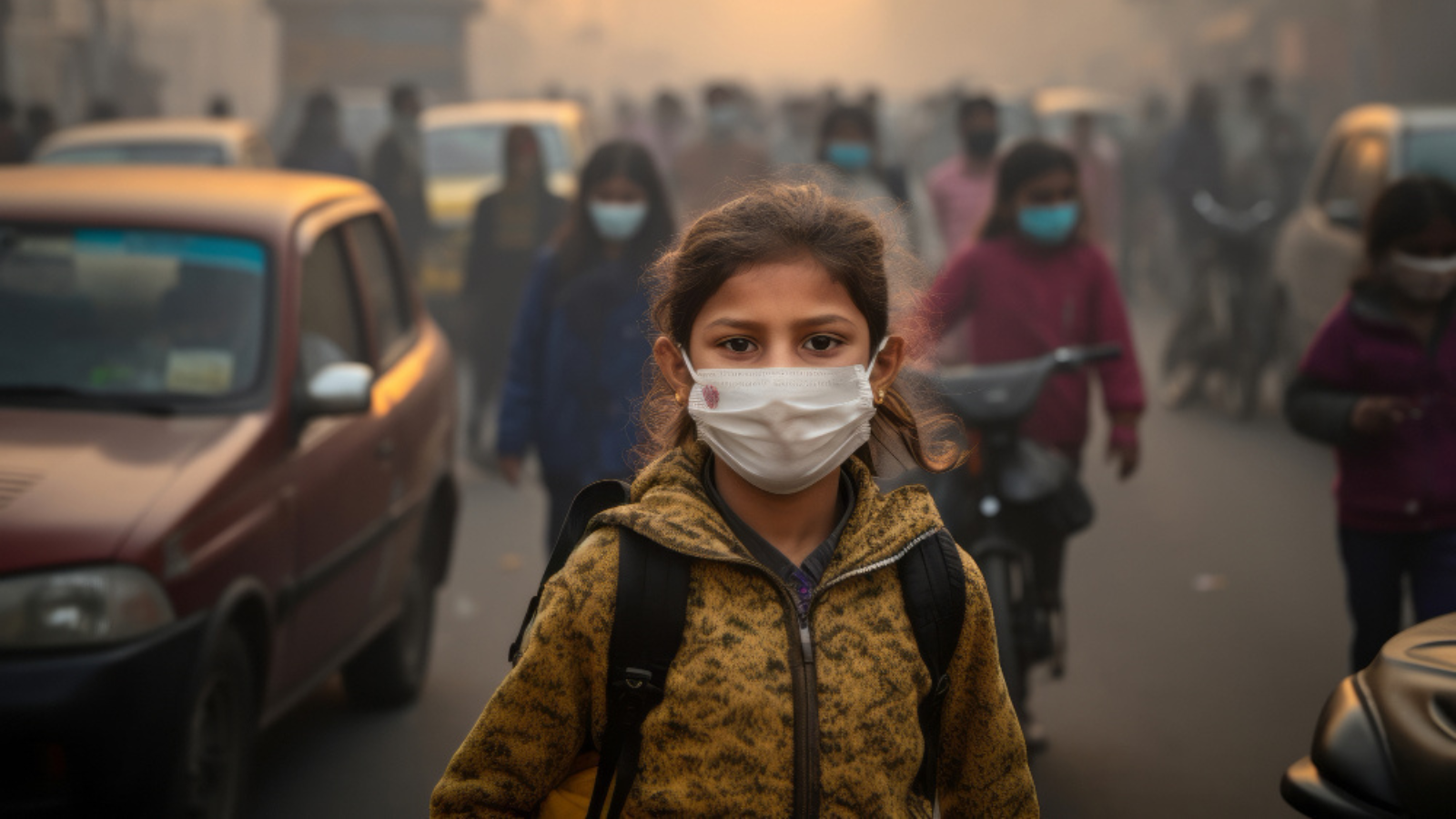
In the same written reply, Minister of State for Environment Kirti Vardhan Singh said that the WHO air quality guidelines are meant to act as guidance tools and not strict rules for countries. He highlighted that every nation sets its own air quality standards depending on geography, environmental conditions, background pollution levels, socio-economic factors and national priorities. This point reinforces how India air pollution data is assessed within its own framework instead of following a universal air pollution ranking system.
The minister was responding to questions raised by CPI(M) MP V Sivadasan regarding India’s year-wise position in various global air pollution ranking reports since 2020 and the parameters they use. The government clarified that these indices rely on varied methodologies and are not official benchmarks. By explaining this, the ministry emphasised how air quality standards and India air pollution data should be interpreted carefully when placed against global comparisons.
Further, the Environment Ministry highlighted that India has already notified its National Ambient Air Quality Standards for 12 pollutants under the NAAQS framework , which was implemented in 2009. These NAAQS standards were created to safeguard public health and the environment, while also taking into account local climatic conditions and pollution patterns. This reminder shows how India’s air quality standards are customised for national needs rather than depending on unofficial global air pollution ranking systems.
In response to another set of questions on Delhi air quality, Environment Minister Bhupender Yadav shared encouraging data showing clear improvement in the capital’s pollution levels. He explained that the number of Good to Moderate air quality days in Delhi, which reflects AQI improvement, increased from 110 days in 2016 to 200 days in 2025 so far. This rise in better-air days is one of the strongest signs of improvement in India air pollution data and demonstrates the long-term impact of targeted policy efforts.
He also noted that Delhi’s average AQI between January and November has improved from 213 in 2018 to 187 in 2025. In addition, he highlighted that not a single day in 2025 has recorded a Severe Plus category, which indicates AQI levels above 450. The minister added that farm fire incidents in Punjab and Haryana have dropped by nearly 90 per cent during the 2025 paddy harvesting season compared to 2022, a major step that is directly linked to regional Delhi air quality and AQI improvement.
The government also shared details of its annual Swachh Vayu Survekshan, which ranks 130 cities under the National Clean Air Programme. Unlike unofficial global air pollution ranking reports, this national assessment focuses on implementation and measurable progress at the city level. Top-performing cities under NCAP are recognised every year on National Swachh Vayu Diwas on 7 September, highlighting positive efforts toward meeting air quality standards and improving India air pollution data.
The government finally pointed out that while the World Health Organisation revised its WHO air quality guidelines significantly in 2021 by tightening limits on PM2.5 levels, India continues to follow its NAAQS standards from 2009. The WHO suggests a 24-hour PM2.5 limit of 15 micrograms per cubic meter and an annual limit of 5 micrograms per cubic meter, whereas India’s NAAQS remains at 60 micrograms per cubic meter for 24-hour PM2.5 and 40 micrograms per cubic meter annually. According to the government, these guidelines are appropriate for India’s national circumstances and remain an essential part of both air pollution ranking discussions and air quality standards.
In the same written reply, Minister of State for Environment Kirti Vardhan Singh said that the WHO air quality guidelines are meant to act as guidance tools and not strict rules for countries. He highlighted that every nation sets its own air quality standards depending on geography, environmental conditions, background pollution levels, socio-economic factors and national priorities. This point reinforces how India air pollution data is assessed within its own framework instead of following a universal air pollution ranking system.
The minister was responding to questions raised by CPI(M) MP V Sivadasan regarding India’s year-wise position in various global air pollution ranking reports since 2020 and the parameters they use. The government clarified that these indices rely on varied methodologies and are not official benchmarks. By explaining this, the ministry emphasised how air quality standards and India air pollution data should be interpreted carefully when placed against global comparisons.
Further, the Environment Ministry highlighted that India has already notified its National Ambient Air Quality Standards for 12 pollutants under the NAAQS framework , which was implemented in 2009. These NAAQS standards were created to safeguard public health and the environment, while also taking into account local climatic conditions and pollution patterns. This reminder shows how India’s air quality standards are customised for national needs rather than depending on unofficial global air pollution ranking systems.
In response to another set of questions on Delhi air quality, Environment Minister Bhupender Yadav shared encouraging data showing clear improvement in the capital’s pollution levels. He explained that the number of Good to Moderate air quality days in Delhi, which reflects AQI improvement, increased from 110 days in 2016 to 200 days in 2025 so far. This rise in better-air days is one of the strongest signs of improvement in India air pollution data and demonstrates the long-term impact of targeted policy efforts.
He also noted that Delhi’s average AQI between January and November has improved from 213 in 2018 to 187 in 2025. In addition, he highlighted that not a single day in 2025 has recorded a Severe Plus category, which indicates AQI levels above 450. The minister added that farm fire incidents in Punjab and Haryana have dropped by nearly 90 per cent during the 2025 paddy harvesting season compared to 2022, a major step that is directly linked to regional Delhi air quality and AQI improvement.
The government also shared details of its annual Swachh Vayu Survekshan, which ranks 130 cities under the National Clean Air Programme. Unlike unofficial global air pollution ranking reports, this national assessment focuses on implementation and measurable progress at the city level. Top-performing cities under NCAP are recognised every year on National Swachh Vayu Diwas on 7 September, highlighting positive efforts toward meeting air quality standards and improving India air pollution data.
The government finally pointed out that while the World Health Organisation revised its WHO air quality guidelines significantly in 2021 by tightening limits on PM2.5 levels, India continues to follow its NAAQS standards from 2009. The WHO suggests a 24-hour PM2.5 limit of 15 micrograms per cubic meter and an annual limit of 5 micrograms per cubic meter, whereas India’s NAAQS remains at 60 micrograms per cubic meter for 24-hour PM2.5 and 40 micrograms per cubic meter annually. According to the government, these guidelines are appropriate for India’s national circumstances and remain an essential part of both air pollution ranking discussions and air quality standards.
Next Story