
India to Stop Ravi Water Supply to Pakistan Following Indus Waters Decision, Shahpur Kandi Dam Almost Ready

A new strain is likely to emerge in Pakistan’s already fragile water situation as India moves to fully utilise surplus water from the Ravi River. With the Indus Waters Treaty suspended and the long-pending Shahpur Kandi Dam on the Jammu and Kashmir–Punjab border nearing completion by March 31, Islamabad is bracing for added pressure on its water resources.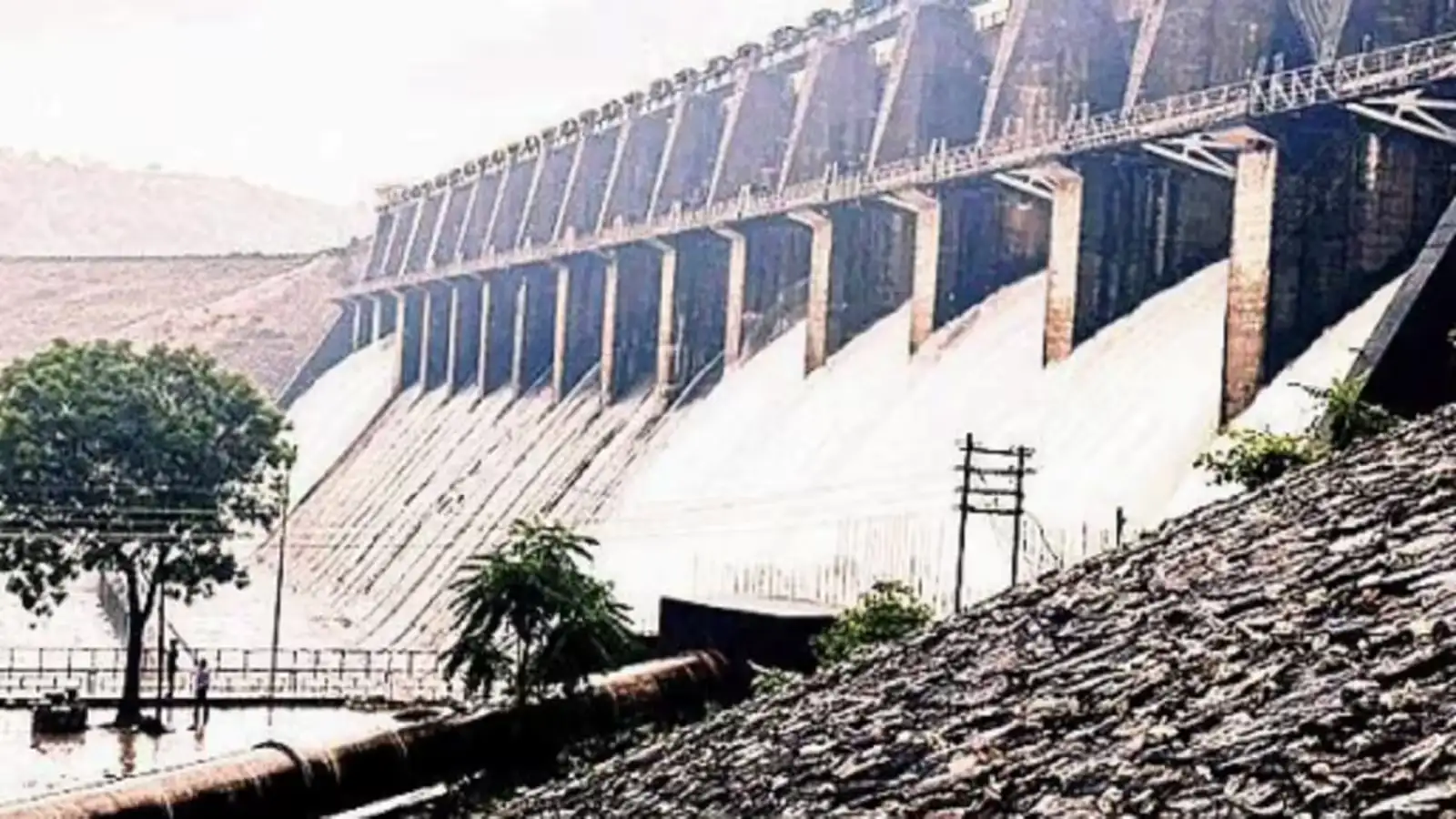
For years, excess Ravi water has routinely crossed into Pakistan because India lacked adequate storage and diversion infrastructure. From April onwards, that flow is set to be curtailed, marking a significant shift in regional water dynamics.
Strategic timing amid heightened tensions
The accelerated completion of the Shahpur Kandi dam carries strong geopolitical significance. It follows the Pahalgam terror attack, which New Delhi has blamed on Pakistan-backed terrorism, an allegation Islamabad continues to deny. In the aftermath of the attack, Prime Minister Narendra Modi announced a series of punitive steps against Pakistan, including the suspension of the Indus Waters Treaty.
Since then, India has also pushed ahead with several stalled infrastructure projects, signalling a tougher approach toward both security concerns and resource utilisation.
Pakistan’s water crisis likely to worsen
With the Shahpur Kandi project nearing completion, India is poised to fully utilise its share of eastern river waters. This will effectively end the long-standing practice of surplus Ravi water flowing into Pakistan, a development that could intensify Islamabad’s existing water stress.
Clarifying the government’s position, Jammu and Kashmir Water Resources Minister Javed Ahmed Rana said that once the dam becomes operational, excess water will no longer cross the border.
“Yes, excess water (from Ravi river) to Pakistan will be stopped. It has to be stopped,” the minister said, adding that the project is critical for drought-hit Kathua and Samba districts.
When asked about the impact on Pakistan, he responded sharply:
“Why are you bothered about Pakistan? They are a marginal presence. Let them stew in the problems of their own making.”
India exercising its legal rights
India has maintained that the Shahpur Kandi dam does not violate any international agreement. Under the Indus Waters Treaty of 1960 brokered by the World Bank India was granted unrestricted rights over the eastern rivers: Ravi, Beas, and Sutlej. Pakistan, in turn, was given control over the western rivers: Indus, Jhelum, and Chenab.
Despite this clear division, Pakistan has historically benefited from surplus water flowing from India’s eastern rivers due to delays in Indian projects. The completion of Shahpur Kandi marks a decisive step toward ending this anomaly.
A long-delayed project revived
The Shahpur Kandi barrage was revived after nearly four decades following the intervention of the Prime Minister. In December 2018, the Union Cabinet approved its implementation, providing central assistance of ₹485.38 crore for its irrigation component. Once fully operational, the project is expected to provide irrigation benefits to large tracts of land in Punjab as well as Jammu and Kashmir’s Kathua and Samba districts.
A clear message to Islamabad
Alongside Shahpur Kandi, India has made steady progress on four hydel power projects on the Chenab River since the Pahalgam attack. These projects are expected to be commissioned between 2027 and 2028, further strengthening India’s control over its water resources.
After years of delay that indirectly allowed water to flow into Pakistan, New Delhi’s message is now unmistakable: India will no longer let its rightful share of water go unused and will prioritise domestic needs and water security over cross-border considerations.
For years, excess Ravi water has routinely crossed into Pakistan because India lacked adequate storage and diversion infrastructure. From April onwards, that flow is set to be curtailed, marking a significant shift in regional water dynamics.
Strategic timing amid heightened tensions
The accelerated completion of the Shahpur Kandi dam carries strong geopolitical significance. It follows the Pahalgam terror attack, which New Delhi has blamed on Pakistan-backed terrorism, an allegation Islamabad continues to deny. In the aftermath of the attack, Prime Minister Narendra Modi announced a series of punitive steps against Pakistan, including the suspension of the Indus Waters Treaty.Since then, India has also pushed ahead with several stalled infrastructure projects, signalling a tougher approach toward both security concerns and resource utilisation.
Pakistan’s water crisis likely to worsen
With the Shahpur Kandi project nearing completion, India is poised to fully utilise its share of eastern river waters. This will effectively end the long-standing practice of surplus Ravi water flowing into Pakistan, a development that could intensify Islamabad’s existing water stress.You may also like
 SC disposes of PIL on Tripura student's killing; refers issues to Attorney General
- FedEx to inject Rs 2,500 crore to set-up automated cargo hub at Navi Mumbai airport
- Best days in 2026 to take important decisions
- Quote of the day by Alan Turing: 'Be kind, have a sense of humour, fall in love, enjoy strawberries'
- France moving into top tier of India's foreign policy priorities: Report
Clarifying the government’s position, Jammu and Kashmir Water Resources Minister Javed Ahmed Rana said that once the dam becomes operational, excess water will no longer cross the border.
“Yes, excess water (from Ravi river) to Pakistan will be stopped. It has to be stopped,” the minister said, adding that the project is critical for drought-hit Kathua and Samba districts.
When asked about the impact on Pakistan, he responded sharply:
“Why are you bothered about Pakistan? They are a marginal presence. Let them stew in the problems of their own making.”
India exercising its legal rights
India has maintained that the Shahpur Kandi dam does not violate any international agreement. Under the Indus Waters Treaty of 1960 brokered by the World Bank India was granted unrestricted rights over the eastern rivers: Ravi, Beas, and Sutlej. Pakistan, in turn, was given control over the western rivers: Indus, Jhelum, and Chenab. Despite this clear division, Pakistan has historically benefited from surplus water flowing from India’s eastern rivers due to delays in Indian projects. The completion of Shahpur Kandi marks a decisive step toward ending this anomaly.
A long-delayed project revived
The Shahpur Kandi barrage was revived after nearly four decades following the intervention of the Prime Minister. In December 2018, the Union Cabinet approved its implementation, providing central assistance of ₹485.38 crore for its irrigation component. Once fully operational, the project is expected to provide irrigation benefits to large tracts of land in Punjab as well as Jammu and Kashmir’s Kathua and Samba districts. A clear message to Islamabad
Alongside Shahpur Kandi, India has made steady progress on four hydel power projects on the Chenab River since the Pahalgam attack. These projects are expected to be commissioned between 2027 and 2028, further strengthening India’s control over its water resources. After years of delay that indirectly allowed water to flow into Pakistan, New Delhi’s message is now unmistakable: India will no longer let its rightful share of water go unused and will prioritise domestic needs and water security over cross-border considerations.






More from our partners


Loving Newspoint? Download the app now
