
Indian Railways Introduces Onboard Cleaning System For Long-Distance Trains; 80 Services Selected In First Phase

Indian Railways Launches Real-Time Coach Cleaning System On 80 Long-Distance Trains: Indian Railways has unveiled a new cleanliness system aimed at transforming hygiene standards on long-distance trains. Railway Minister Ashwini Vaishnaw announced that cleaning will now take place not only at designated halt stations but also throughout the journey. Importantly, the upgraded arrangement will cover general class coaches as well, ensuring broader benefits for passengers.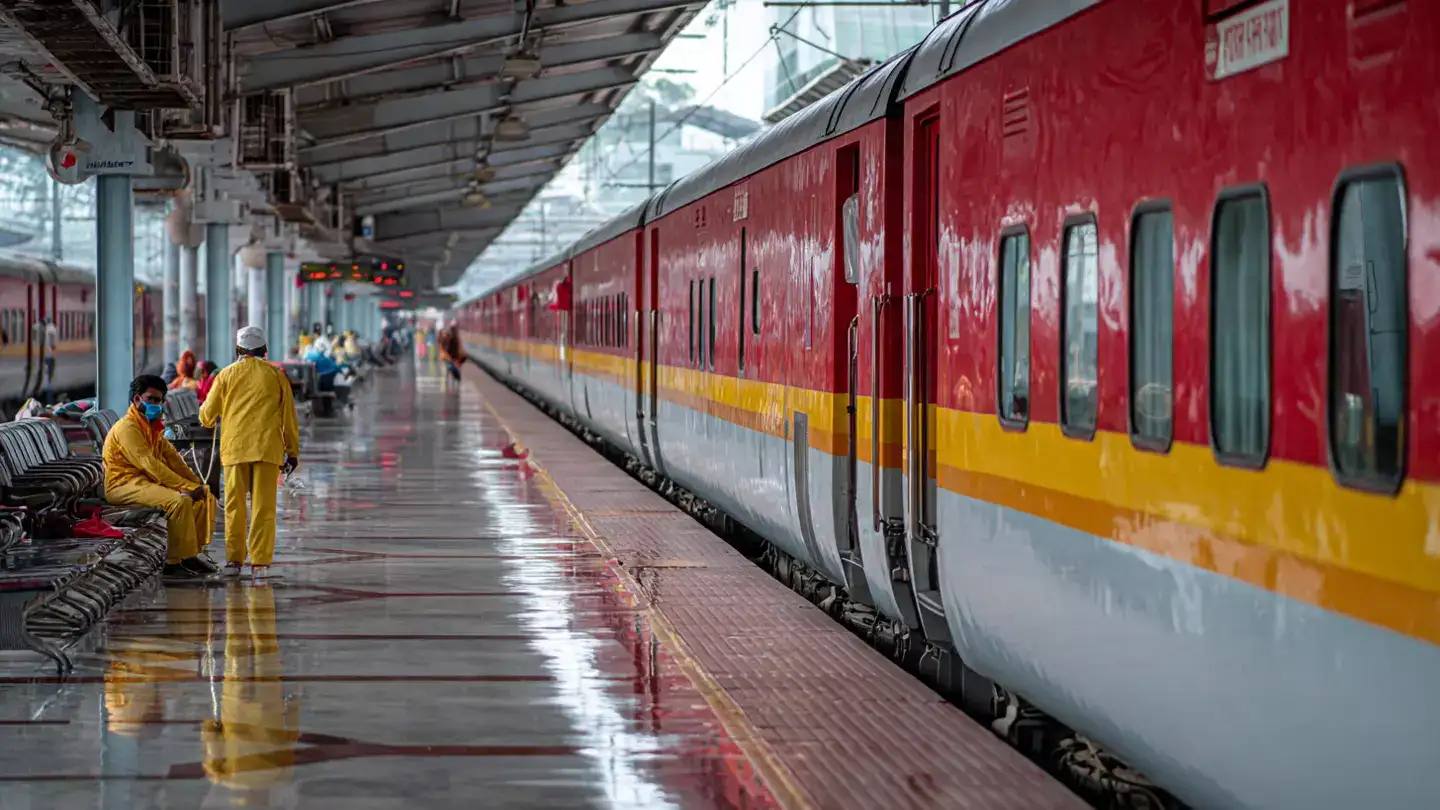
Previously, under the Clean Train Station scheme , coaches were cleaned only when trains stopped at selected stations. However, complaints about hygiene between halts had often surfaced, especially on busy routes. The new approach seeks to address this gap by deploying trained professional teams onboard.
During peak travel hours, cleaning frequency will be higher to maintain hygiene in toilets, wash basins and seating areas. In relatively less crowded hours, the process will be adjusted accordingly. This flexible method is expected to maintain consistent standards rather than relying solely on station-based cleaning.
Regular upkeep of dustbins, replenishment of water and minor repair checks will also form part of the onboard train cleaning model. Railway officials believe this proactive system will significantly enhance railway passenger services , particularly on long-haul routes.
Through digital reporting tools, authorities will be able to assess whether cleaning schedules are being followed and whether service providers are meeting expected standards. This structure aims to introduce accountability and quicker response times in case of complaints.
Passengers are also likely to benefit from faster resolution of cleanliness-related issues, as centralised monitoring can identify lapses without delay.
By combining hygiene and basic maintenance checks, the railways intend to improve overall travel comfort. The focus is not limited to premium compartments but extends to general coaches, which often carry the highest passenger load.
Under the Gati Shakti framework, underutilised storage facilities will be converted into Gati Shakti Cargo Terminal hubs. The process for converting private freight terminals and sidings into these terminals will also be simplified.
To speed up decision-making, Divisional Railway Managers have been empowered to resolve disputes related to freight operations. These steps aim to streamline logistics, improve efficiency and boost the railway freight business.
If successful, the initiative could mark a major shift in how Indian Railways manages cleanliness on moving trains. With technology-driven supervision and round-the-clock attention, the new system reflects an effort to modernise services while responding to long-standing passenger concerns.
Image Courtesy: Meta AI
Previously, under the Clean Train Station scheme , coaches were cleaned only when trains stopped at selected stations. However, complaints about hygiene between halts had often surfaced, especially on busy routes. The new approach seeks to address this gap by deploying trained professional teams onboard.
Cleaning Every Hour Or As Required
Under the revamped system, cleaning staff will remain stationed inside the train for the entire journey. These teams will carry out coach cleaning every hour or whenever required, depending on passenger movement and usage patterns.During peak travel hours, cleaning frequency will be higher to maintain hygiene in toilets, wash basins and seating areas. In relatively less crowded hours, the process will be adjusted accordingly. This flexible method is expected to maintain consistent standards rather than relying solely on station-based cleaning.
Regular upkeep of dustbins, replenishment of water and minor repair checks will also form part of the onboard train cleaning model. Railway officials believe this proactive system will significantly enhance railway passenger services , particularly on long-haul routes.
Technology-Driven Monitoring Through War Rooms
To ensure effective implementation, technology-backed monitoring centres will be established. These control hubs, described as war rooms, will oversee real-time performance tracking, passenger feedback and service quality management.Through digital reporting tools, authorities will be able to assess whether cleaning schedules are being followed and whether service providers are meeting expected standards. This structure aims to introduce accountability and quicker response times in case of complaints.
Passengers are also likely to benefit from faster resolution of cleanliness-related issues, as centralised monitoring can identify lapses without delay.
Safety And Maintenance Included
The new system goes beyond visible cleaning. Alongside sanitation work, staff will inspect safety equipment and report any concerns noticed during the journey. Minor maintenance requirements, such as fixing small fittings or addressing water supply problems, will be handled promptly wherever feasible.You may also like
- Jharkhand presents Rs 1.58 lakh crore Budget, flags Rs 16,000 crore shortfall from Centre
- Assam government constitutes 8th Assam Pay Commission under Subhash Chandra Das
 Deepti Naval enjoys tour of Punjab fields, shares pictures
 Mumbai: Only 51% Of BMC's Massive Civic Budget Spent So Far, Crores Lie Unused As Financial Year Nears End
 Bewakoof Founder Prabhkiran Singh To Step Down
By combining hygiene and basic maintenance checks, the railways intend to improve overall travel comfort. The focus is not limited to premium compartments but extends to general coaches, which often carry the highest passenger load.
Freight Reforms Under Gati Shakti Plan
In addition to passenger-focused reforms, Indian Railways has announced measures to strengthen its freight operations. Unused railway land will be developed for cargo-related infrastructure, including warehouses, processing units and aggregation centres.Under the Gati Shakti framework, underutilised storage facilities will be converted into Gati Shakti Cargo Terminal hubs. The process for converting private freight terminals and sidings into these terminals will also be simplified.
To speed up decision-making, Divisional Railway Managers have been empowered to resolve disputes related to freight operations. These steps aim to streamline logistics, improve efficiency and boost the railway freight business.
Pilot Phase With 80 Trains
Initially, 80 trains have been selected for the upgraded onboard cleaning system. Authorities will evaluate feedback from passengers and operational data before extending the reform across the wider network.If successful, the initiative could mark a major shift in how Indian Railways manages cleanliness on moving trains. With technology-driven supervision and round-the-clock attention, the new system reflects an effort to modernise services while responding to long-standing passenger concerns.
Image Courtesy: Meta AI






More from our partners


Loving Newspoint? Download the app now
