
Indian Railways Modernises 40-Year-Old Booking System With Advanced Digital Features

Indian Railways To Begin Transition From 40-Year-Old Reservation System In August: Indian Railways is preparing for a major digital transformation as it begins shifting trains to a newly upgraded passenger reservation system from August. The move marks one of the most significant changes in railway ticketing infrastructure in decades, with the government aiming to replace the 40-year-old system that has been in operation since 1986.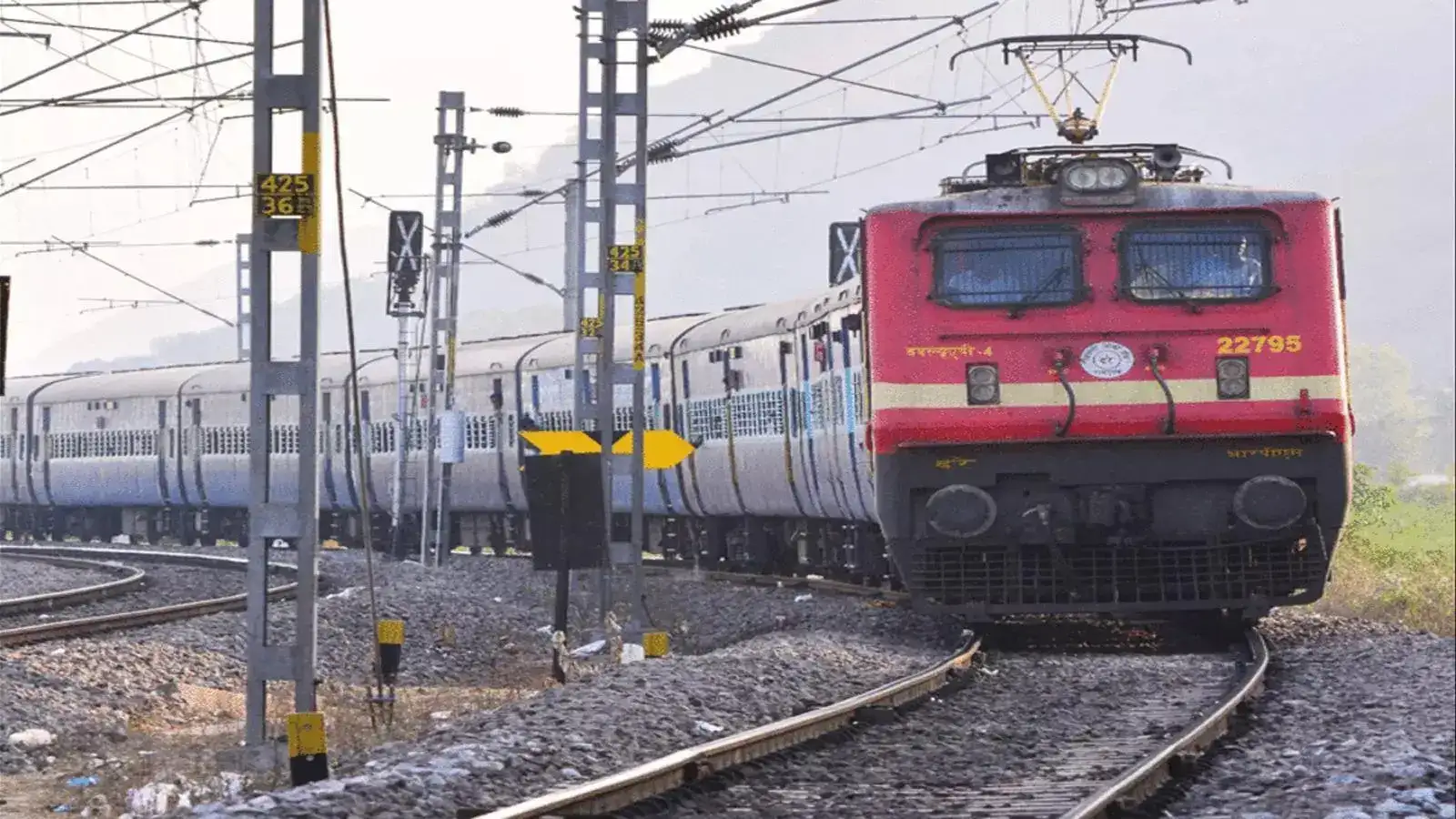
The upgraded platform is expected to improve booking efficiency, strengthen system capacity and make railway services more passenger-friendly. Railway Minister Ashwini Vaishnaw recently reviewed the transition plans and instructed officials to ensure that travellers do not face any inconvenience during the migration process.
Officials said the revamped reservation network has been designed using modern technology and can manage significantly higher demand compared to the older system.
Today, a large section of railway passengers rely on digital platforms instead of physical reservation counters. Nearly 88 per cent of ticketing demand is now being fulfilled through online channels, reflecting a strong shift towards digital travel planning.
The latest reservation system overhaul is expected to further strengthen this transition by improving speed, reliability and passenger convenience.
Passengers are increasingly using the platform because it combines multiple railway services in one place. Apart from ticket booking, the application also supports cancellations, refunds and ticket status tracking for reserved, unreserved and platform tickets.
The app additionally offers live train tracking, coach position updates, platform details and train schedules in real time. Travellers can also raise complaints and seek assistance through integrated passenger support services.
Another feature that has attracted significant attention is onboard food ordering, allowing passengers to receive meals directly at their seats during journeys.
According to railway officials, the accuracy of confirmation predictions has improved sharply in recent months. Earlier, the prediction accuracy stood at around 53 per cent, but it has now reportedly reached nearly 94 per cent following the integration of advanced technology.
The feature has become particularly useful for passengers travelling during peak seasons and busy routes where waitlisted tickets are common.
This includes approximately 7.2 lakh unreserved tickets and over 2 lakh reserved tickets daily. Platform tickets are also included within the unreserved category.
The application has gained traction across both major smartphone ecosystems. More than 3.16 crore downloads have been recorded through Android devices, while Apple users account for over 33 lakh downloads.
These numbers highlight how mobile-based railway services are becoming central to passenger travel experiences in India.
During the financial year 2024–25, Indian Railways provided a subsidy amounting to ₹60,239 crore on passenger tickets. Officials stated that this effectively translates into an average concession of around 43 per cent for passengers.
In practical terms, if the operational cost of a service is ₹100, travellers are paying only around ₹57 as ticket fare. The subsidy continues to play a major role in keeping railway travel affordable for millions across the country.
With the upgraded reservation system set to roll out gradually from August, Indian Railways is now focusing on delivering a smoother, faster and more technology-driven travel experience while ensuring passengers face minimal disruption during the transition.
The upgraded platform is expected to improve booking efficiency, strengthen system capacity and make railway services more passenger-friendly. Railway Minister Ashwini Vaishnaw recently reviewed the transition plans and instructed officials to ensure that travellers do not face any inconvenience during the migration process.
Officials said the revamped reservation network has been designed using modern technology and can manage significantly higher demand compared to the older system.
Indian Railways Pushes Ahead With Digital Modernisation
Over the years, Indian Railways has gradually expanded its digital capabilities. A major turning point came in 2002 when internet-based ticket booking was introduced. Since then, online railway ticketing has witnessed rapid growth across the country.Today, a large section of railway passengers rely on digital platforms instead of physical reservation counters. Nearly 88 per cent of ticketing demand is now being fulfilled through online channels, reflecting a strong shift towards digital travel planning.
The latest reservation system overhaul is expected to further strengthen this transition by improving speed, reliability and passenger convenience.
RailOne App Emerging As Key Passenger Platform
Among the most notable developments in railway services has been the growing popularity of the RailOne mobile application. Introduced in July last year, the app has already crossed more than 3.5 crore downloads in less than a year.Passengers are increasingly using the platform because it combines multiple railway services in one place. Apart from ticket booking, the application also supports cancellations, refunds and ticket status tracking for reserved, unreserved and platform tickets.
The app additionally offers live train tracking, coach position updates, platform details and train schedules in real time. Travellers can also raise complaints and seek assistance through integrated passenger support services.
Another feature that has attracted significant attention is onboard food ordering, allowing passengers to receive meals directly at their seats during journeys.
AI-Based Waitlist Prediction Improving Passenger Planning
Indian Railways has also introduced artificial intelligence-driven prediction tools within the RailOne platform. The feature helps passengers understand the chances of their waitlisted tickets getting confirmed before travel.According to railway officials, the accuracy of confirmation predictions has improved sharply in recent months. Earlier, the prediction accuracy stood at around 53 per cent, but it has now reportedly reached nearly 94 per cent following the integration of advanced technology.
The feature has become particularly useful for passengers travelling during peak seasons and busy routes where waitlisted tickets are common.
Daily Usage Numbers Reflect Growing Dependence On Digital Services
The scale of digital railway ticketing in India continues to expand rapidly. Every day, around 9.29 lakh tickets are booked through the RailOne application alone.This includes approximately 7.2 lakh unreserved tickets and over 2 lakh reserved tickets daily. Platform tickets are also included within the unreserved category.
The application has gained traction across both major smartphone ecosystems. More than 3.16 crore downloads have been recorded through Android devices, while Apple users account for over 33 lakh downloads.
These numbers highlight how mobile-based railway services are becoming central to passenger travel experiences in India.
Passenger Subsidy Continues To Remain Significant
While Indian Railways continues to modernise its systems, it is also maintaining substantial support for passengers through fare subsidies.During the financial year 2024–25, Indian Railways provided a subsidy amounting to ₹60,239 crore on passenger tickets. Officials stated that this effectively translates into an average concession of around 43 per cent for passengers.
In practical terms, if the operational cost of a service is ₹100, travellers are paying only around ₹57 as ticket fare. The subsidy continues to play a major role in keeping railway travel affordable for millions across the country.
With the upgraded reservation system set to roll out gradually from August, Indian Railways is now focusing on delivering a smoother, faster and more technology-driven travel experience while ensuring passengers face minimal disruption during the transition.
Next Story