Indian Railways Plans To Double Originating Train Capacity In 48 Cities By 2030

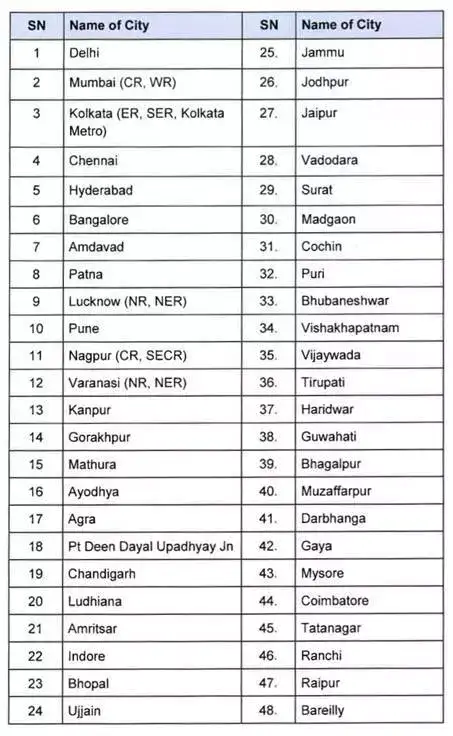
Indian Railways has unveiled an ambitious plan to double the originating train capacity of 48 major cities by the year 2030, responding to sustained growth in passenger demand across both suburban and long-distance routes. The move aims to ease congestion at busy terminals, improve operational efficiency and ensure that infrastructure keeps pace with rising travel needs. According to officials, capacity augmentation will begin immediately, with phased benefits visible over the next five years rather than waiting until the end of the decade.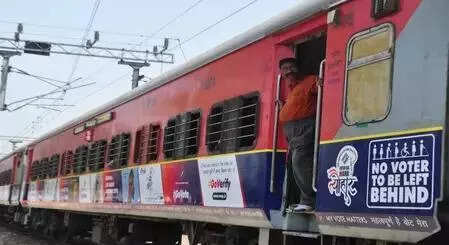
The plan covers both suburban and non-suburban traffic, recognising that each segment has distinct operational requirements. By addressing terminal and sectional bottlenecks together, Indian Railways aims to create a more resilient and scalable network.
Another major focus will be the identification and development of new terminals in and around urban areas. This decentralised approach is expected to reduce pressure on overcrowded main stations while distributing traffic more evenly across city rail networks.
Maintenance capacity will also be strengthened through the development of mega coaching complexes, ensuring that increased train operations do not compromise safety or reliability. Additionally, sectional capacity will be enhanced through signalling upgrades, traffic facility works and multi-tracking at critical stretches.
Pune
Hadapsar
Khadki
Alandi
In this model, capacity is increased not only at Pune station but also at surrounding stations through additional platforms and stabling lines, allowing more trains to originate and terminate without overburdening a single hub.
This phased execution is intended to address current congestion issues while laying the groundwork for future demand. Officials believe this approach will significantly improve punctuality and operational flexibility in the coming years.
Indian Railways has reiterated that the initiative reflects a long-term commitment to providing safe, reliable and affordable travel while preparing the network for the next phase of growth.
Why Indian Railways Is Expanding Originating Capacity
Railway authorities have acknowledged that existing terminal infrastructure in several metropolitan and high-traffic cities is reaching saturation levels. With more passengers travelling for work, education and leisure, the ability of cities to originate new trains has become a critical constraint. The proposed expansion seeks to balance affordability, convenience and operational sustainability while ensuring smoother train movement at major hubs.The plan covers both suburban and non-suburban traffic, recognising that each segment has distinct operational requirements. By addressing terminal and sectional bottlenecks together, Indian Railways aims to create a more resilient and scalable network.
Key Infrastructure Upgrades Planned Across Cities
To achieve the target of doubling originating capacity, Indian Railways will undertake a series of infrastructure enhancements. These include expanding existing terminals with additional platforms, stabling lines and pit lines, as well as improving shunting facilities to handle higher train volumes efficiently.Another major focus will be the identification and development of new terminals in and around urban areas. This decentralised approach is expected to reduce pressure on overcrowded main stations while distributing traffic more evenly across city rail networks.
You may also like
- When Akshaye Khanna opened up on his failed solo hero films: 'I have seen some success but…'
- "Bangladesh has anti-Hindu mentality govt": BJP's Shahnawaz Hussain
- India slaps anti-dumping duty on two chinese products
- Goa nightclub fire case: Court extends police custody of Luthra brothers till December 29
- Health Minister reviews progress of Indian Pharmacopoeia Commission
Maintenance capacity will also be strengthened through the development of mega coaching complexes, ensuring that increased train operations do not compromise safety or reliability. Additionally, sectional capacity will be enhanced through signalling upgrades, traffic facility works and multi-tracking at critical stretches.
Stations Around Terminals To Play A Bigger Role
Railway planners have clarified that capacity expansion will not be limited to main terminals alone. Stations located around key terminals will also be upgraded to ensure balanced traffic distribution. This integrated planning is expected to reduce turnaround times and operational delays.Example of Cluster-Based Planning
Pune Capacity Expansion Cluster (Illustrative Example)Pune
Hadapsar
Khadki
Alandi
In this model, capacity is increased not only at Pune station but also at surrounding stations through additional platforms and stabling lines, allowing more trains to originate and terminate without overburdening a single hub.
Phased Implementation With Immediate Benefits
Although the final goal is set for 2030, Indian Railways has emphasised that capacity enhancement will be rolled out progressively over the next five years. Projects will be categorised into immediate, short-term and long-term actions, allowing passengers to benefit from improvements at the earliest possible stage.This phased execution is intended to address current congestion issues while laying the groundwork for future demand. Officials believe this approach will significantly improve punctuality and operational flexibility in the coming years.
Clear Timelines And Accountability Mandated
In a communication to General Managers of all Zonal Railways, the Chairman and CEO of the Railway Board has directed that all proposals must be specific, time-bound and outcome-oriented. While the current exercise focuses on identified stations, zones have been instructed to simultaneously address sectional constraints, yard limitations and operational inefficiencies across their divisions.Indian Railways has reiterated that the initiative reflects a long-term commitment to providing safe, reliable and affordable travel while preparing the network for the next phase of growth.






More from our partners


Loving Newspoint? Download the app now
