
How India Became One of the Four Countries Driving the Most Global Pesticide Toxicity

A recent scientific study has found that India is among four countries driving the most global pesticide toxicity, contributing significantly to environmental and biodiversity risks linked to chemical use in agriculture. According to the report, China, Brazil, the United States and India together account for more than half of the total applied toxicity of pesticides worldwide, highlighting how intensifying pesticide use is becoming a larger global concern.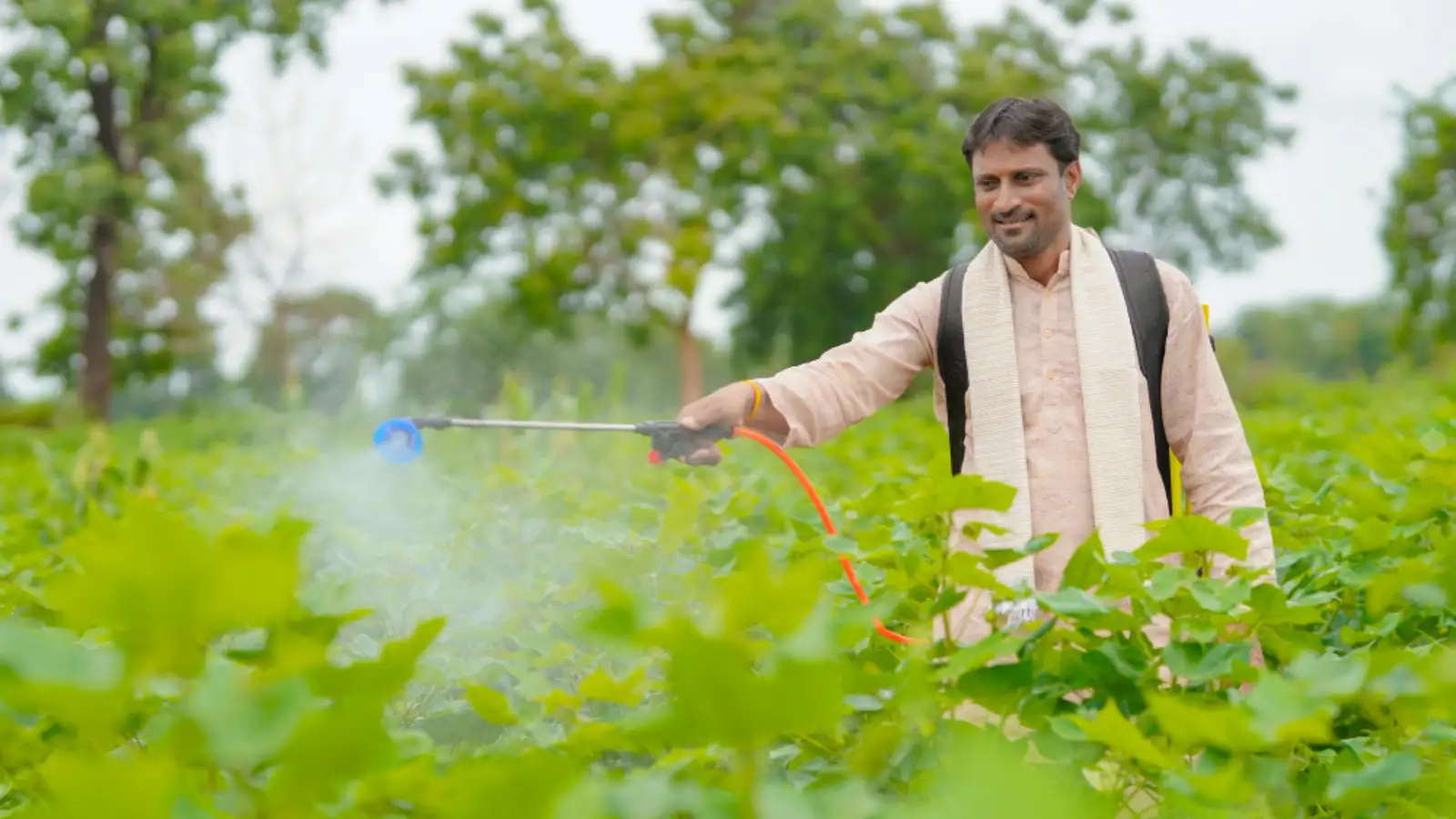
This striking finding underscores how pesticide toxicity is not just a local agricultural issue but a global environmental challenge. The study’s results point to regions with rapidly growing pesticide application rates where agricultural systems are expanding fast and dependence on chemical pest control is high.
This rise in pesticide toxicity reflects intensive agricultural practices where chemical controls are used to protect crops from pests and diseases. Although pesticides can boost crop yields and help meet food demands, their toxic residues can remain in soil, waterways and food chains, affecting plants, animals and human health.
In India, for example, there have been well-documented cases of pesticide exposure harm. The endosulfan tragedy in Kerala saw wide-scale use of the pesticide linked to severe health effects in local communities, including birth defects, physical disabilities and increased disease incidence, raising long-term concerns about agrochemical toxicity.
Human health impacts are also a major concern in countries with heavy pesticide use. Pesticide poisoning—whether accidental or intentional—continues to pose public health challenges, especially in agricultural regions where access to highly toxic chemicals is common.
Experts say that better management strategies, safer alternatives, greater education for farmers, and stricter controls on hazardous substances could all reduce the overall impact of pesticide toxicity. These changes would have benefits not just in India but around the world.
As global awareness grows about the environmental and health effects of excessive chemical use, research like this study can help policymakers, farmers and the public make informed decisions about pesticide use and long-term agricultural sustainability.
This striking finding underscores how pesticide toxicity is not just a local agricultural issue but a global environmental challenge. The study’s results point to regions with rapidly growing pesticide application rates where agricultural systems are expanding fast and dependence on chemical pest control is high.
What the Study Found on Pesticide Toxicity Trends
Researchers behind the study measured the overall toxicity from pesticides applied in farming around the world. Their analysis revealed that while many countries use pesticides in farming, only a handful contribute the most to global pesticide toxicity, with India ranked among the top contributors.This rise in pesticide toxicity reflects intensive agricultural practices where chemical controls are used to protect crops from pests and diseases. Although pesticides can boost crop yields and help meet food demands, their toxic residues can remain in soil, waterways and food chains, affecting plants, animals and human health.
Environmental and Health Concerns Linked to Pesticide Use
The environmental impact of pesticides extends beyond crop fields. Toxic residues have been linked to contamination of soil and water, harm to wildlife, and disruptions in ecosystems. These risks are especially visible in countries with high pesticide application rates.You may also like
- Four die of Anuria due to milk adulteration in Andhra
- Middle-class background to DU Kirori Mal College graduate, Kapil Sharma's co-actress is now worth Rs 84 crore. A look at Sargun Mehta's journey background
- Bangladesh: BNP leader injured in shooting in Dhaka's Kalabagan area
- CTET Answer Key 2026 release date: Check steps to download at ctet.nic.in; objection window process explained
- "His dedicated efforts in social service will remain memorable": PM Modi mourns death of TMC leader Mukul Roy
In India, for example, there have been well-documented cases of pesticide exposure harm. The endosulfan tragedy in Kerala saw wide-scale use of the pesticide linked to severe health effects in local communities, including birth defects, physical disabilities and increased disease incidence, raising long-term concerns about agrochemical toxicity.
Human health impacts are also a major concern in countries with heavy pesticide use. Pesticide poisoning—whether accidental or intentional—continues to pose public health challenges, especially in agricultural regions where access to highly toxic chemicals is common.
Why India’s Role Matters Globally
India’s inclusion among the top four nations driving pesticide toxicity highlights broader global issues tied to agricultural practices, regulatory policies, and environmental protection efforts. The study points to the importance of monitoring toxic chemical use and strengthening policies that can reduce harmful exposure for people and ecosystems.Experts say that better management strategies, safer alternatives, greater education for farmers, and stricter controls on hazardous substances could all reduce the overall impact of pesticide toxicity. These changes would have benefits not just in India but around the world.
What This Means for Agriculture and Public Health
Understanding India’s role in global pesticide toxicity brings attention to the need for sustainable farming practices that balance crop protection with environmental and health safety. Reducing reliance on harmful pesticides, promoting integrated pest management and investing in safer alternatives could help decrease toxic exposures over time.As global awareness grows about the environmental and health effects of excessive chemical use, research like this study can help policymakers, farmers and the public make informed decisions about pesticide use and long-term agricultural sustainability.






More from our partners


Loving Newspoint? Download the app now
