
India’s First Seaplane Airline Gets DGCA Approval, Lakshadweep Services to Begin Soon

India is preparing to bring back seaplane travel in a structured and modern way, marking an important step in improving regional connectivity and tourism. The Directorate General of Civil Aviation has granted an Air Operator Certificate to SkyHop Aviation, making it the country’s first dedicated commercial seaplane operator.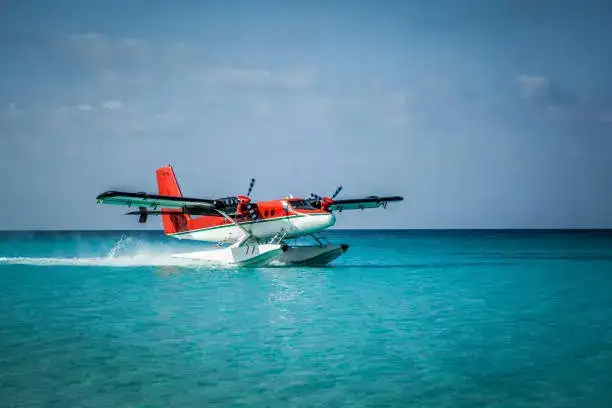
With this approval, India moves closer to launching scheduled seaplane services, with Lakshadweep set to be the first operational region.
Lakshadweep to Be First Hub for Operations
In the first phase, SkyHop Aviation plans to connect five islands within Lakshadweep while also linking them to the mainland. The service will begin with a 19-seater seaplane designed for short regional routes.
The company has also shared that it is looking at expanding operations to other parts of the country in the future, depending on infrastructure support and demand.
The focus is on improving access to remote and island regions where travel options are currently limited or time-consuming.
Focus on Better Connectivity and Travel Experience
SkyHop Aviation founder and CEO Avani Singh called the licence an important milestone for the company. She said the goal is to offer “a safe, reliable and new way of connecting parts of India that are still difficult to access.”
She also added that the aim is to provide a travel experience that is both practical and memorable, while also contributing to better regional connectivity and national integration.
The idea is not only to improve transport but also to open new possibilities for tourism in lesser-accessible areas.
First-Ever Seaplane Conversion Done in India
One of the most significant aspects of this project is that the seaplane has been converted in India itself. The aircraft used is a De Havilland Canada DHC-6 Twin Otter, which earlier belonged to a non-operational airline.
It has now been fitted with floats to enable take-off and landing on water. This marks the first time in India that an aircraft has been converted domestically into a fully functional seaplane.
Before its approval for commercial use, the aircraft underwent test flights in Uttarakhand, including operations at the Ganga Barrage in Haridwar, to check performance and safety standards.
Strong Government Push for Seaplane Projects
The development comes after renewed government interest in improving last-mile air connectivity. Aviation authorities have been actively supporting certification and development of seaplane operations within India.
After modifications were completed domestically, the DGCA issued the certificate of airworthiness and approved the operating procedures, clearing the way for commercial use.
This reflects a broader effort to strengthen regional aviation and explore alternative transport models.
Part of a Larger National Connectivity Plan
Seaplane services are being seen as an important solution for connecting remote regions, especially islands and difficult terrains where airports are not always feasible.
The government has also been focusing on boosting tourism and improving access to such destinations through innovative transport options.
In the recent budget, there was a clear push to encourage indigenous manufacturing of seaplanes. It also proposed a viability gap funding scheme to support operations and make such services financially sustainable.
The updated UDAN scheme further supports the expansion of seaplane routes across the country.
A New Chapter in Indian Aviation
While seaplane services have been attempted in India earlier, most did not continue on a long-term basis. This time, the approach is more structured, with domestic manufacturing, regulatory support and planned routes.
With certification now complete and initial operations planned, India is entering a new phase of aviation innovation.
The launch of India’s first licensed seaplane airline is a significant step for regional travel and tourism. Starting from Lakshadweep, the service aims to improve connectivity to remote regions while offering a unique travel experience.
As the network expands, seaplanes could become an important part of India’s future transport system, especially for island and hard-to-reach areas.
With this approval, India moves closer to launching scheduled seaplane services, with Lakshadweep set to be the first operational region.
Lakshadweep to Be First Hub for Operations
In the first phase, SkyHop Aviation plans to connect five islands within Lakshadweep while also linking them to the mainland. The service will begin with a 19-seater seaplane designed for short regional routes.The company has also shared that it is looking at expanding operations to other parts of the country in the future, depending on infrastructure support and demand.
The focus is on improving access to remote and island regions where travel options are currently limited or time-consuming.
Focus on Better Connectivity and Travel Experience
SkyHop Aviation founder and CEO Avani Singh called the licence an important milestone for the company. She said the goal is to offer “a safe, reliable and new way of connecting parts of India that are still difficult to access.” She also added that the aim is to provide a travel experience that is both practical and memorable, while also contributing to better regional connectivity and national integration.
The idea is not only to improve transport but also to open new possibilities for tourism in lesser-accessible areas.
First-Ever Seaplane Conversion Done in India
One of the most significant aspects of this project is that the seaplane has been converted in India itself. The aircraft used is a De Havilland Canada DHC-6 Twin Otter, which earlier belonged to a non-operational airline.It has now been fitted with floats to enable take-off and landing on water. This marks the first time in India that an aircraft has been converted domestically into a fully functional seaplane.
Before its approval for commercial use, the aircraft underwent test flights in Uttarakhand, including operations at the Ganga Barrage in Haridwar, to check performance and safety standards.
Strong Government Push for Seaplane Projects
The development comes after renewed government interest in improving last-mile air connectivity. Aviation authorities have been actively supporting certification and development of seaplane operations within India. After modifications were completed domestically, the DGCA issued the certificate of airworthiness and approved the operating procedures, clearing the way for commercial use.
This reflects a broader effort to strengthen regional aviation and explore alternative transport models.
Part of a Larger National Connectivity Plan
Seaplane services are being seen as an important solution for connecting remote regions, especially islands and difficult terrains where airports are not always feasible. The government has also been focusing on boosting tourism and improving access to such destinations through innovative transport options.
In the recent budget, there was a clear push to encourage indigenous manufacturing of seaplanes. It also proposed a viability gap funding scheme to support operations and make such services financially sustainable.
The updated UDAN scheme further supports the expansion of seaplane routes across the country.
A New Chapter in Indian Aviation
While seaplane services have been attempted in India earlier, most did not continue on a long-term basis. This time, the approach is more structured, with domestic manufacturing, regulatory support and planned routes.With certification now complete and initial operations planned, India is entering a new phase of aviation innovation.
The launch of India’s first licensed seaplane airline is a significant step for regional travel and tourism. Starting from Lakshadweep, the service aims to improve connectivity to remote regions while offering a unique travel experience.
As the network expands, seaplanes could become an important part of India’s future transport system, especially for island and hard-to-reach areas.
Next Story