
Iran Conflict and LPG Supply: Why Cooking Gas in India Is Suddenly Part of the Global Energy Conversation

When geopolitical tensions flare up in the Middle East, most people immediately think about petrol prices. That’s usually the headline.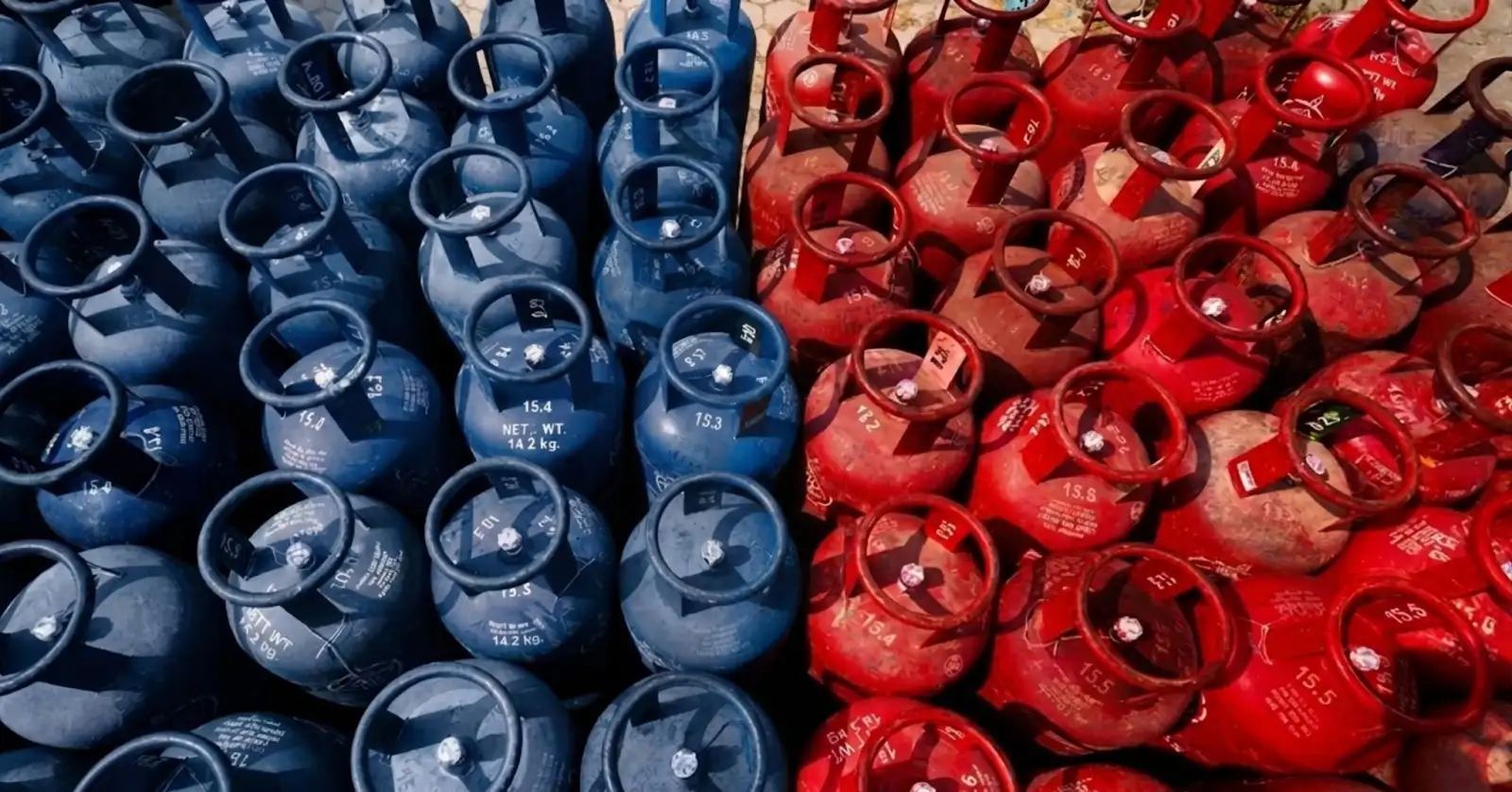
But inside India’s energy ecosystem, another fuel quietly enters the discussion — LPG.
The connection isn’t always obvious. Cooking gas doesn’t come straight from the ground in the same way crude oil does. It is produced during the refining process. So when crude supply chains tighten, LPG can feel the ripple effects.
And that is exactly why analysts have begun watching the current Iran-related tensions more closely.
India is one of the economies closely tied to that route.
A significant portion of the country’s imported crude travels through these waters. Any disruption — even temporary — can push shipping costs higher and complicate logistics for refiners.
That matters because refineries are where LPG is produced.
Why restaurants tend to feel it first
Households usually experience LPG supply through a scheduled refill system. Cylinders arrive every few weeks, sometimes every month.
Commercial kitchens work differently.
Restaurants, caterers and street-food vendors burn through cylinders much faster. A small delay in distribution can create immediate problems for them.
Which is why restaurant associations often keep a close eye on global energy developments.
If shipping routes tighten or crude becomes expensive, LPG distribution networks sometimes feel the pressure earlier in the commercial segment.
Energy officials say inventories remain comfortable and supply chains are functioning normally. Strategic reserves and diversified import sources also provide some cushion when global markets become unstable.
Still, energy markets rarely stay calm for long during geopolitical crises.
If crude prices keep climbing or shipping disruptions worsen, the impact could eventually show up in several areas of the economy — including cooking gas.
Crude prices influence refinery economics. Refinery economics influence the production of fuels like LPG. From there the effects move into distribution networks and finally into kitchens.
Most consumers won’t notice anything immediately.
But energy traders and policymakers are watching closely. Because sometimes the earliest signals of a global oil shock appear not at the petrol pump — but inside the LPG supply chain.
But inside India’s energy ecosystem, another fuel quietly enters the discussion — LPG.
The connection isn’t always obvious. Cooking gas doesn’t come straight from the ground in the same way crude oil does. It is produced during the refining process. So when crude supply chains tighten, LPG can feel the ripple effects.
And that is exactly why analysts have begun watching the current Iran-related tensions more closely.
The supply route everyone is watching
A large share of global crude oil moves through the Strait of Hormuz. Tankers pass through this narrow shipping route every day carrying energy supplies to countries across Asia.India is one of the economies closely tied to that route.
A significant portion of the country’s imported crude travels through these waters. Any disruption — even temporary — can push shipping costs higher and complicate logistics for refiners.
That matters because refineries are where LPG is produced.
Why restaurants tend to feel it first
Households usually experience LPG supply through a scheduled refill system. Cylinders arrive every few weeks, sometimes every month.Commercial kitchens work differently.
Restaurants, caterers and street-food vendors burn through cylinders much faster. A small delay in distribution can create immediate problems for them.
Which is why restaurant associations often keep a close eye on global energy developments.
If shipping routes tighten or crude becomes expensive, LPG distribution networks sometimes feel the pressure earlier in the commercial segment.
No immediate shortage signals yet
At the moment, there is no indication of a nationwide cooking-gas shortage in India.You may also like
- Staff nurses to get full salary during higher education: Himachal CM Sukhu
- "West Asia conflict has affected world's energy supply chain, we believe in India First ideology": PM Modi in Tamil Nadu
- "To secure our future, we must make water conservation an integral part of our lives": President Droupadi Murmu
- "When our car hit pothole, she started breathing," says Husband of woman who was declared 'brain-dead' in Bareilly
- Sudha Murty urges govt to enact national law to deal with bullying of children in schools
Energy officials say inventories remain comfortable and supply chains are functioning normally. Strategic reserves and diversified import sources also provide some cushion when global markets become unstable.
Still, energy markets rarely stay calm for long during geopolitical crises.
If crude prices keep climbing or shipping disruptions worsen, the impact could eventually show up in several areas of the economy — including cooking gas.
Why the story isn’t really about LPG alone
The bigger issue is the chain reaction inside the global energy system.Crude prices influence refinery economics. Refinery economics influence the production of fuels like LPG. From there the effects move into distribution networks and finally into kitchens.
Most consumers won’t notice anything immediately.
But energy traders and policymakers are watching closely. Because sometimes the earliest signals of a global oil shock appear not at the petrol pump — but inside the LPG supply chain.






More from our partners


Loving Newspoint? Download the app now
