
Peyush Bansal Apologises Over ‘No Bindi-Tilak, Hijab Allowed’ Guide, Shares Statement on Social Media

Eyewear brand Lenskart has landed in the middle of a social media controversy after claims about its employee grooming policy went viral. The issue quickly gained traction online, leading to widespread debate around workplace inclusivity and religious expression.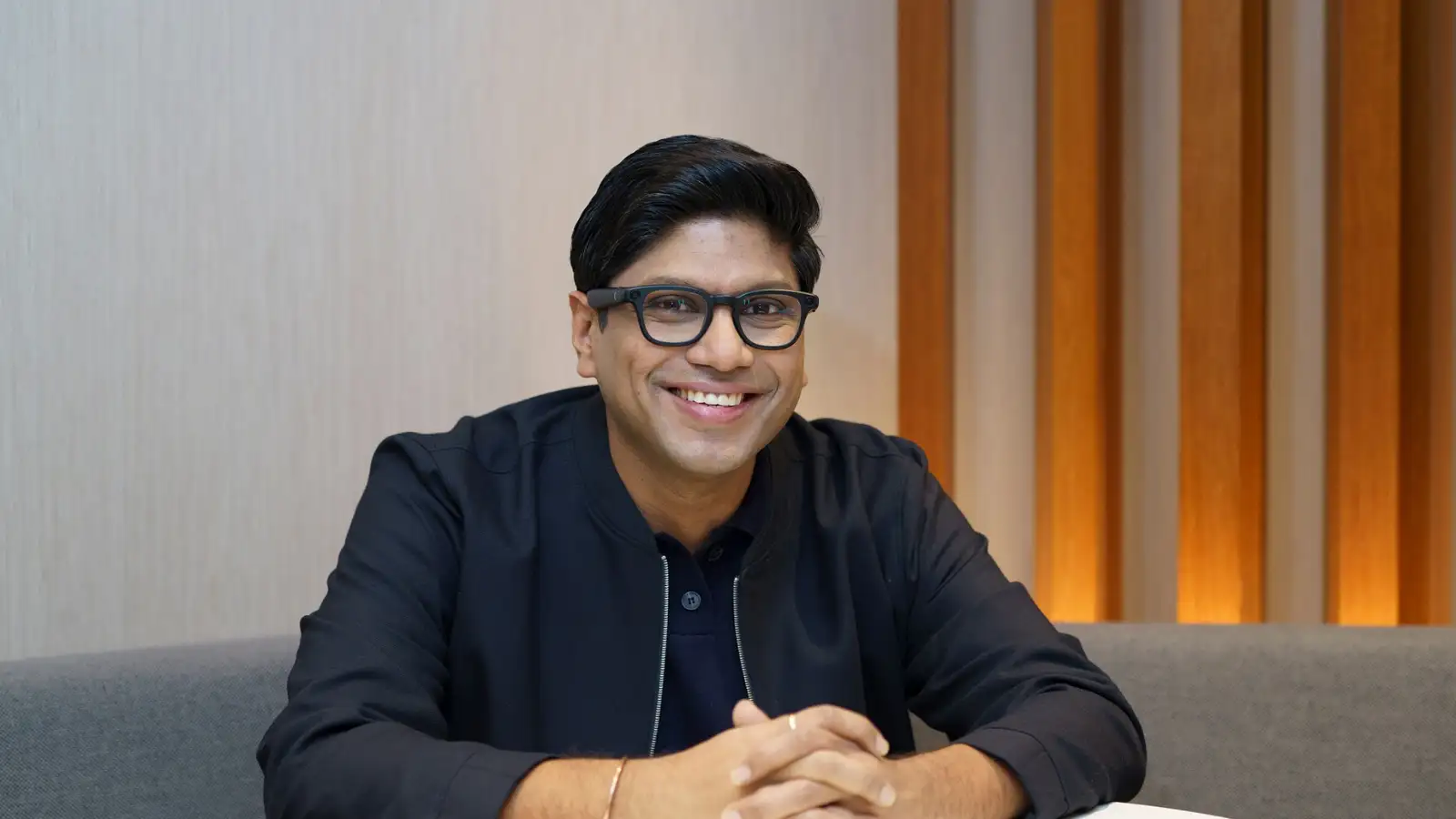
The controversy began when a screenshot, said to be from the company’s internal style guide, started circulating across platforms, raising questions about how religious symbols are treated within the organisation.
As the screenshot spread, it triggered discussions about corporate policies, cultural sensitivity, and employee rights in India.
In her post, she claimed that the document allowed the wearing of a hijab but restricted symbols such as bindi, tilak and kalawa. She wrote, “So I confirmed, this is genuine. This is what @peyushbansal tells his employees, hijab is okay, but bindi/tilak/Kalawa is not, for @Lenskart_com, a company that exists in Hindu majority Bharat, where most of the employees and consumers are Hindu! What do you say to this? This is page 11 of the Lenskart style guide for employees.”
Her remarks quickly went viral, sparking strong reactions and drawing attention to the issue.
One user commented, “Hindu employees denied the right to wear kumkum/bindi, while hijab is allowed? Double standards must end.” Another user said they would reconsider purchasing from the brand, while others described the alleged rules as “unfair” and “insensitive”.
The controversy soon expanded into a larger conversation about workplace inclusivity, corporate responsibility, and cultural representation.
Peyush Bansal Responds as Lenskart Grooming Guide Triggers Controversy Peyush Bansal Responds as Lenskart Grooming Guide Triggers Controversy “I’ve been seeing an inaccurate policy document going viral about Lenskart. I want to speak directly that this document does not reflect our present guidelines. Our policy has no restrictions on any form of religious expression, including bindi and tilak, and we continue to review our guidelines regularly,” he said.
He clarified that the document being circulated does not represent Lenskart’s current grooming policy.
“Our grooming policy has evolved over the years and outdated versions do not represent who we are today. We apologize for the confusion and concern this situation has caused. We as a company, continue to learn and build. Any lapses in our language or policies have and will continue to be addressed,” he added.
This statement aimed to reassure employees and customers about the company’s stance on inclusivity.
“We have thousands of team members across Bharat who wear their faith and culture proudly every day at our stores. They are Lenskart. Lenskart was built in Bharat, by Indians, for Indians. Every symbol and every tradition our people carry is a part of who we are as a company. I will never let that be compromised,” Bansal said.
His message focused on reinforcing trust and addressing concerns raised by the public.
One user said, “Okay, then you should make public a copy of your company's current policy. Because what we have seen is completely opposite to what you are saying.”
Another wrote, “This kind of sneaky obfuscation to deflect the truth is not acceptable. Saying "outdated versions do not represent who we are today." does NOT excuse the fact that you had this kind of discrimination against Hindu symbols as part of your policy in the first place.”
Some users also hinted at changing their buying preferences, with one stating, “I am a lenskart customer for many years now, i have to look for other brands now, someone please suggest me.”
At the same time, a section of users supported the company’s response. One comment read, “This is how mature founders should respond and run a company. Appreciate the drafting of this tweet. Elegant and simple yet powerful!!!”
The controversy began when a screenshot, said to be from the company’s internal style guide, started circulating across platforms, raising questions about how religious symbols are treated within the organisation.
Viral Screenshot Raises Questions on Religious Symbols
The document, which was widely shared online, appeared to suggest that certain forms of religious expression were allowed while others were restricted. This led to concerns about whether workplace policies at Lenskart were treating religious identities unequally.As the screenshot spread, it triggered discussions about corporate policies, cultural sensitivity, and employee rights in India.
Hijab vs Bindi Debate Gains Momentum
The controversy intensified after social media user Shefali Vaidya shared the screenshot on X, alleging unequal treatment of religious symbols.In her post, she claimed that the document allowed the wearing of a hijab but restricted symbols such as bindi, tilak and kalawa. She wrote, “So I confirmed, this is genuine. This is what @peyushbansal tells his employees, hijab is okay, but bindi/tilak/Kalawa is not, for @Lenskart_com, a company that exists in Hindu majority Bharat, where most of the employees and consumers are Hindu! What do you say to this? This is page 11 of the Lenskart style guide for employees.”
Her remarks quickly went viral, sparking strong reactions and drawing attention to the issue.
Online Backlash and Mixed Reactions
Following the viral post, several users expressed concern over the alleged policy, questioning whether it reflected double standards in the workplace.One user commented, “Hindu employees denied the right to wear kumkum/bindi, while hijab is allowed? Double standards must end.” Another user said they would reconsider purchasing from the brand, while others described the alleged rules as “unfair” and “insensitive”.
The controversy soon expanded into a larger conversation about workplace inclusivity, corporate responsibility, and cultural representation.
Peyush Bansal Responds to the Controversy
Amid growing backlash, Peyush Bansal issued a clarification on X, addressing the claims directly and distancing the company from the viral document.He clarified that the document being circulated does not represent Lenskart’s current grooming policy.
Company Says Policy Has Evolved Over Time
Peyush Bansal further explained that the company’s policies have changed over the years and older documents should not be treated as current guidelines.“Our grooming policy has evolved over the years and outdated versions do not represent who we are today. We apologize for the confusion and concern this situation has caused. We as a company, continue to learn and build. Any lapses in our language or policies have and will continue to be addressed,” he added.
This statement aimed to reassure employees and customers about the company’s stance on inclusivity.
Emphasis on Inclusivity and Cultural Identity
Highlighting Lenskart’s commitment to diversity, Bansal stressed that the company respects all forms of cultural and religious expression.“We have thousands of team members across Bharat who wear their faith and culture proudly every day at our stores. They are Lenskart. Lenskart was built in Bharat, by Indians, for Indians. Every symbol and every tradition our people carry is a part of who we are as a company. I will never let that be compromised,” Bansal said.
His message focused on reinforcing trust and addressing concerns raised by the public.
Netizens Continue the Debate
Even after the clarification, reactions from netizens remained divided. Some users continued to question the company’s policies, while others demanded more transparency.One user said, “Okay, then you should make public a copy of your company's current policy. Because what we have seen is completely opposite to what you are saying.”
Another wrote, “This kind of sneaky obfuscation to deflect the truth is not acceptable. Saying "outdated versions do not represent who we are today." does NOT excuse the fact that you had this kind of discrimination against Hindu symbols as part of your policy in the first place.”
Some users also hinted at changing their buying preferences, with one stating, “I am a lenskart customer for many years now, i have to look for other brands now, someone please suggest me.”
At the same time, a section of users supported the company’s response. One comment read, “This is how mature founders should respond and run a company. Appreciate the drafting of this tweet. Elegant and simple yet powerful!!!”
Next Story