
LPG Cylinder Delivery Now Requires OTP As Oil Companies Introduce New Verification Rules

OTP Verification Now Compulsory For LPG Cylinder Delivery Under New Oil Company Guidelines: India’s cooking gas distribution system is witnessing stricter monitoring after the government instructed oil companies to expand the use of OTP-based delivery verification for LPG cylinders. The new direction requires a larger portion of gas deliveries to be authenticated through a digital code shared with consumers. The step is intended to improve transparency and accountability in the LPG distribution network. However, the move has also sparked concerns among consumers and local distributors who fear that the tighter verification process could slow down cylinder delivery in certain areas.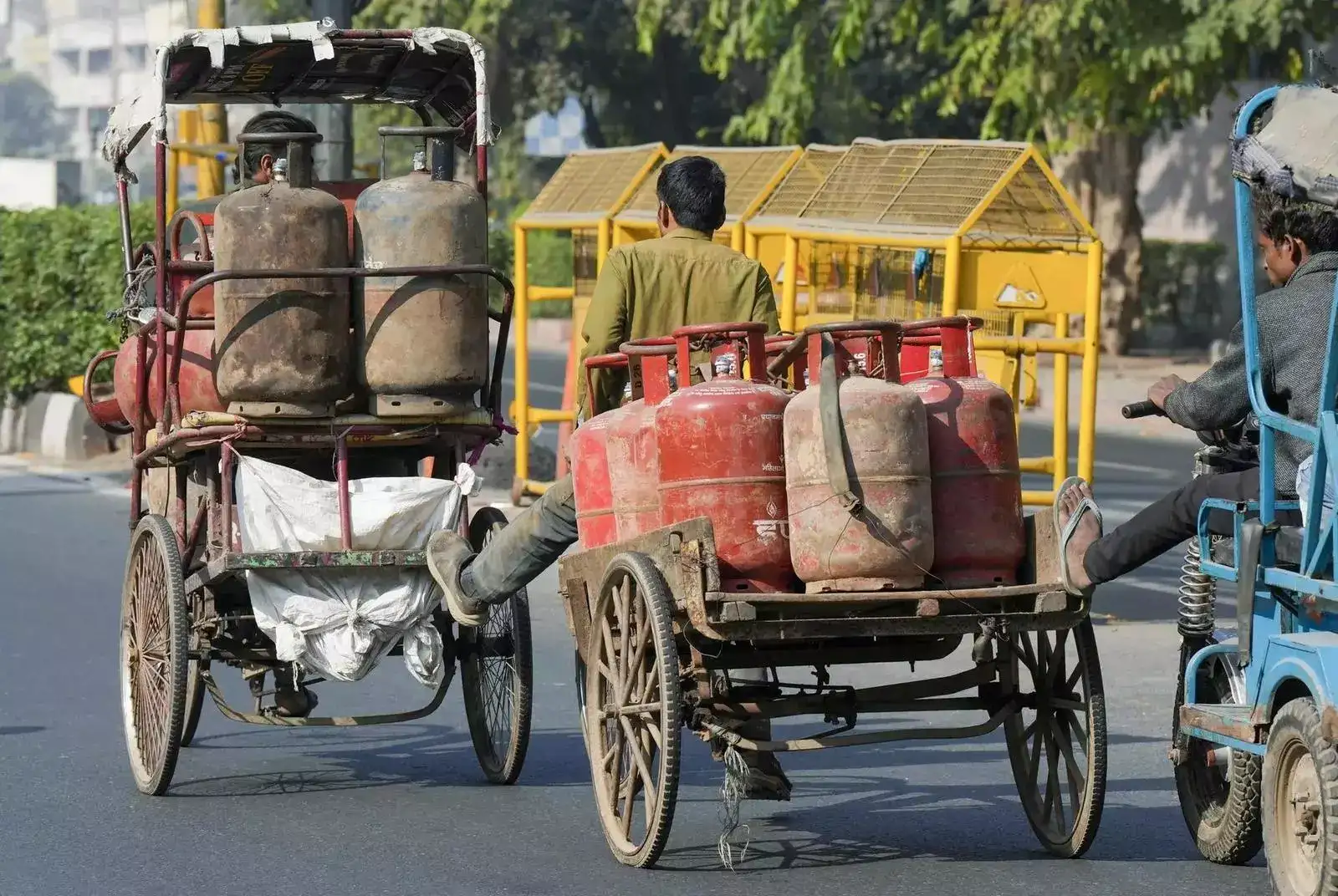
At the time of delivery, the consumer must provide this code to the delivery person. The delivery agent then enters the code into the company’s system to confirm that the cylinder has been successfully delivered to the registered customer. Only after this verification is the transaction recorded as complete.
Earlier, the system was implemented selectively because some regions faced difficulties receiving OTP messages or had limited mobile connectivity. As a result, deliveries often continued even without the code.
If distributors fail to meet this requirement, the distribution process may be considered incomplete in company records. In such cases, the system may show that cylinders remain in the agency’s inventory even though they have already been delivered to consumers.
This mismatch in digital records can create operational challenges for LPG agencies.
As a result, oil companies may delay sending additional cylinders to the distributor until the system records that the existing stock has been properly delivered. This situation can potentially disrupt the supply cycle and cause temporary shortages at the agency level.
Agency operators therefore face pressure to ensure that every delivery is completed with proper OTP verification.
However, when consumers face delays in booking or delivery, they often approach local LPG agencies directly for assistance. In some locations, people have been visiting agency offices and requesting immediate bookings due to concerns about cooking gas availability.
This situation has increased pressure on local distributors who must follow company guidelines while also addressing consumer needs.
With the new monitoring system, distributors are required to follow the official booking process more strictly. When consumers request cylinders without proper booking or OTP verification, agency operators often have to decline such requests.
This has led to growing frustration among certain consumers who were previously able to obtain cylinders more easily.
In one instance, a bottling facility responsible for refilling cylinders remained closed on a Sunday despite earlier expectations that operations would continue. Such situations can slow down cylinder movement to distribution agencies and intensify worries among consumers waiting for deliveries.
Despite these challenges, authorities believe that expanding the DAC system will ultimately strengthen the LPG distribution framework. By ensuring that every delivery is digitally verified, the system is expected to reduce irregularities, improve transparency and make the supply chain more reliable for households across the country.
OTP-Based Verification System Gains Importance
The Delivery Authentication Code system, commonly known as DAC, has been part of the LPG distribution mechanism for several years. Under this process, when a consumer books a cooking gas cylinder, a four-digit code is sent to the registered mobile number linked with the connection.At the time of delivery, the consumer must provide this code to the delivery person. The delivery agent then enters the code into the company’s system to confirm that the cylinder has been successfully delivered to the registered customer. Only after this verification is the transaction recorded as complete.
Earlier, the system was implemented selectively because some regions faced difficulties receiving OTP messages or had limited mobile connectivity. As a result, deliveries often continued even without the code.
New Target For OTP-Based Deliveries
The Ministry of Petroleum and Natural Gas has now directed oil companies to ensure that the DAC system is used in at least 80 percent of LPG deliveries. This means the majority of cylinders must be distributed only after OTP verification.If distributors fail to meet this requirement, the distribution process may be considered incomplete in company records. In such cases, the system may show that cylinders remain in the agency’s inventory even though they have already been delivered to consumers.
This mismatch in digital records can create operational challenges for LPG agencies.
Impact On LPG Distributors And Supply Chain
According to the revised system, oil companies monitor the stock position of LPG agencies through digital data. If deliveries are not authenticated using DAC, the stock in the agency’s warehouse may appear higher than it actually is.As a result, oil companies may delay sending additional cylinders to the distributor until the system records that the existing stock has been properly delivered. This situation can potentially disrupt the supply cycle and cause temporary shortages at the agency level.
You may also like
- Amid LPG cylinder shortage concerns, Tamil Nadu CM Stalin writes to PM Modi seeking Centre's intervention
- Uttarakhand: 819 Panchayat buildings constructed, reconstructed in last four years, says minister in Assembly
- Kavinder Gupta sworn in as Himachal Pradesh Governor; vows to act as bridge between state, Centre
- Amit Shah to speak in Lok Sabha during debate on Om Birla removal motion
- "Mamata Banerjee should first find democracy in her government in Bengal," says BJP MLA Bhawna Bohra
Agency operators therefore face pressure to ensure that every delivery is completed with proper OTP verification.
Consumers Experiencing Booking Challenges
Some consumers have reported difficulties while booking new LPG cylinders under the stricter system. Normally, households are allowed to place a new booking after a fixed gap following their previous purchase. In many cases, this period is around 25 days.However, when consumers face delays in booking or delivery, they often approach local LPG agencies directly for assistance. In some locations, people have been visiting agency offices and requesting immediate bookings due to concerns about cooking gas availability.
This situation has increased pressure on local distributors who must follow company guidelines while also addressing consumer needs.
Growing Tension Between Consumers And Agencies
The stricter enforcement of booking and OTP rules has also created friction between consumers and LPG distributors. In the past, some consumers were accustomed to receiving cylinders without formal bookings, especially in smaller towns or through personal contacts.With the new monitoring system, distributors are required to follow the official booking process more strictly. When consumers request cylinders without proper booking or OTP verification, agency operators often have to decline such requests.
This has led to growing frustration among certain consumers who were previously able to obtain cylinders more easily.
Supply Concerns Add To Consumer Anxiety
The stricter verification rules are being implemented at a time when some regions are already facing concerns about cooking gas availability. Reports of temporary supply constraints have heightened consumer anxiety, particularly in areas where demand for LPG cylinders is high.In one instance, a bottling facility responsible for refilling cylinders remained closed on a Sunday despite earlier expectations that operations would continue. Such situations can slow down cylinder movement to distribution agencies and intensify worries among consumers waiting for deliveries.
Despite these challenges, authorities believe that expanding the DAC system will ultimately strengthen the LPG distribution framework. By ensuring that every delivery is digitally verified, the system is expected to reduce irregularities, improve transparency and make the supply chain more reliable for households across the country.






More from our partners


Loving Newspoint? Download the app now
