
New LPG Cylinder Rules From May 1: Price Revision, OTP Delivery And Booking Policy Changes

India’s LPG consumers may need to brace for another round of changes from May 1 as rising global tensions continue to rattle fuel markets. With the ongoing West Asia crisis keeping crude prices unstable, domestic and commercial gas cylinder rates have already surged in recent weeks, and more revisions could soon follow.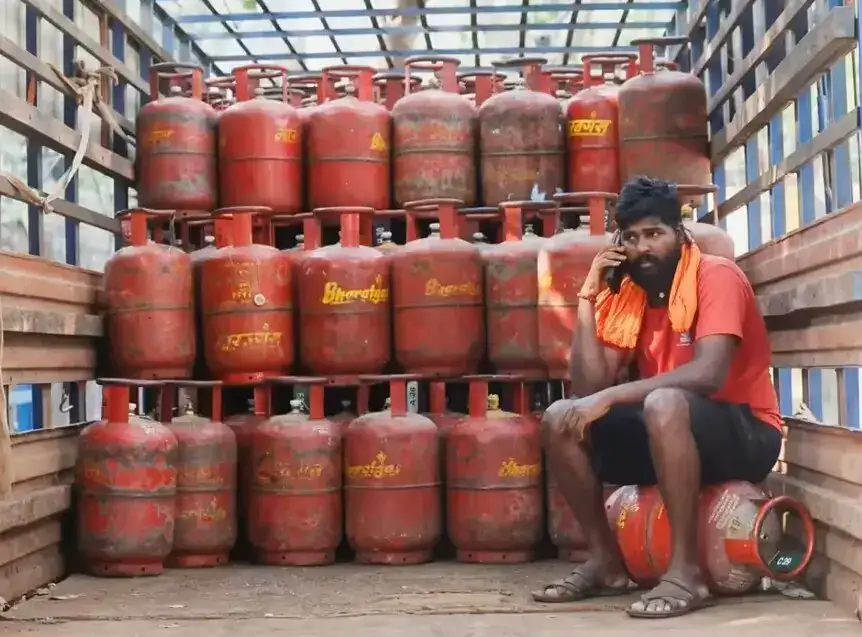
LPG prices may rise again
Fuel costs have been climbing steadily since March. The price of the 14.2 kg domestic LPG cylinder was increased by Rs 60 last month, while commercial users have faced an even sharper blow. The 19 kg commercial cylinder saw multiple hikes, with prices jumping by nearly Rs 196 in April after earlier increases in March. Since oil companies usually revise rates at the start of every month, another price adjustment in May looks likely.
Booking and delivery rules get tougher
LPG booking is no longer as flexible as before. Urban users now need to wait 25 days between bookings, compared to the earlier 21-day gap. In rural areas, this waiting period can stretch up to 45 days.
At the same time, OTP-based delivery verification has become a major part of the process. This stricter system is designed to prevent misuse of subsidised cylinders and improve supply monitoring. Online bookings now dominate the system, with authentication checks covering most deliveries.
Aadhaar eKYC remains crucial for PMUY users
For Pradhan Mantri Ujjwala Yojana beneficiaries, Aadhaar-based eKYC remains mandatory if not yet completed. This verification is required once every financial year to ensure subsidy benefits continue smoothly beyond a certain refill limit. Regular LPG consumers who have already completed eKYC do not need to repeat the process.
PNG transition gains momentum
One of the biggest changes is the government’s stronger push towards piped natural gas. Households in areas where PNG is available may soon have limited LPG access. If consumers fail to switch despite PNG infrastructure being present, LPG supply could reportedly be discontinued after a three-month window.
This signals a major long-term shift in India’s cooking fuel strategy, with cleaner and more controlled fuel distribution taking center stage.
Supply remains steady, but priorities are shifting
While domestic households are still being prioritised for uninterrupted supply, commercial fuel distribution is being carefully managed for essential sectors like healthcare, agriculture, and education.
What this means for consumers
For millions of households, the coming months may bring higher costs, tighter compliance rules, and possible fuel transitions. As LPG policies evolve, consumers may need to monitor prices more closely, stay updated on documentation requirements, and prepare for a gradual move toward PNG where available.
LPG prices may rise again
Fuel costs have been climbing steadily since March. The price of the 14.2 kg domestic LPG cylinder was increased by Rs 60 last month, while commercial users have faced an even sharper blow. The 19 kg commercial cylinder saw multiple hikes, with prices jumping by nearly Rs 196 in April after earlier increases in March. Since oil companies usually revise rates at the start of every month, another price adjustment in May looks likely. Booking and delivery rules get tougher
LPG booking is no longer as flexible as before. Urban users now need to wait 25 days between bookings, compared to the earlier 21-day gap. In rural areas, this waiting period can stretch up to 45 days.At the same time, OTP-based delivery verification has become a major part of the process. This stricter system is designed to prevent misuse of subsidised cylinders and improve supply monitoring. Online bookings now dominate the system, with authentication checks covering most deliveries.
Aadhaar eKYC remains crucial for PMUY users
For Pradhan Mantri Ujjwala Yojana beneficiaries, Aadhaar-based eKYC remains mandatory if not yet completed. This verification is required once every financial year to ensure subsidy benefits continue smoothly beyond a certain refill limit. Regular LPG consumers who have already completed eKYC do not need to repeat the process.PNG transition gains momentum
One of the biggest changes is the government’s stronger push towards piped natural gas. Households in areas where PNG is available may soon have limited LPG access. If consumers fail to switch despite PNG infrastructure being present, LPG supply could reportedly be discontinued after a three-month window. This signals a major long-term shift in India’s cooking fuel strategy, with cleaner and more controlled fuel distribution taking center stage.
Supply remains steady, but priorities are shifting
While domestic households are still being prioritised for uninterrupted supply, commercial fuel distribution is being carefully managed for essential sectors like healthcare, agriculture, and education. What this means for consumers
For millions of households, the coming months may bring higher costs, tighter compliance rules, and possible fuel transitions. As LPG policies evolve, consumers may need to monitor prices more closely, stay updated on documentation requirements, and prepare for a gradual move toward PNG where available. Next Story