
LPG Cylinder Prices Rise in March 2026: Check Latest Rates in Major Indian Cities

Liquefied Petroleum Gas (LPG) cylinders are once again in the spotlight across India after a fresh price hike in March 2026. The cost of a standard 14.2 kg domestic LPG cylinder has increased by ₹60 this month, adding to household expenses for many families.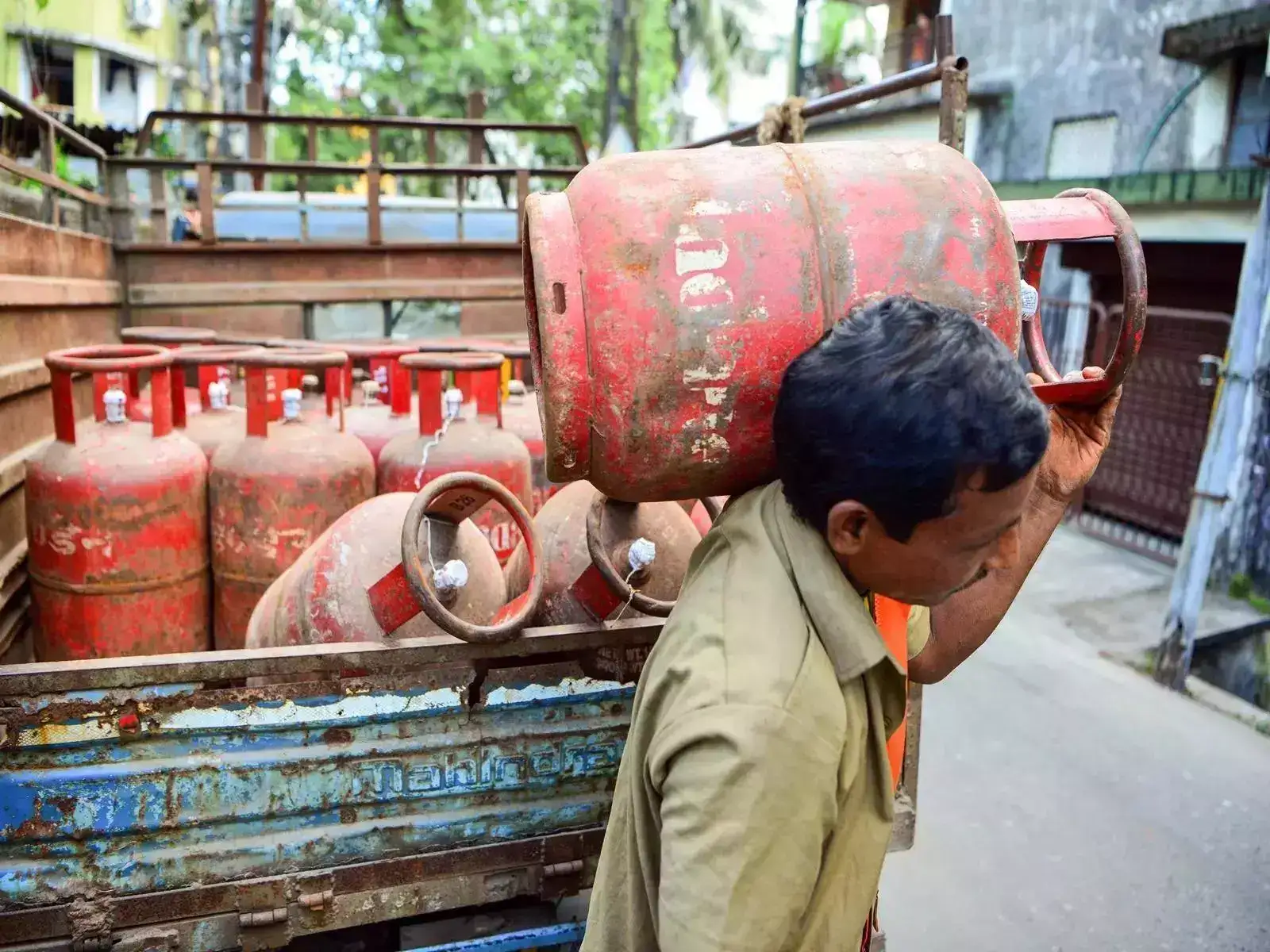
In Delhi, the price of a domestic LPG cylinder now stands at ₹913, up from ₹853 in February. The hike comes amid volatility in the global energy market and challenges affecting international shipping routes, which have put pressure on fuel prices worldwide.
LPG Prices in Major Indian Cities
The price of LPG cylinders varies slightly across cities due to transportation costs, taxes, and local charges. As of March 13, the latest prices for a 14.2 kg domestic LPG cylinder are:
Why Did LPG Prices Increase?
Several factors have contributed to the recent price hike. One of the major reasons is the changing dynamics of the global energy market. Fluctuations in crude oil prices and supply challenges continue to influence LPG costs.
Government policies and subsidy structures also play a role in determining retail prices. In addition, transportation and logistics expenses, such as shipping and distribution, affect the final cost consumers pay in different regions.
Government Says There Is No LPG Shortage
Despite growing public concern, the government has clarified that there is no shortage of LPG cylinders in the country. Officials say that supply chains are functioning normally and there are sufficient stocks to meet consumer demand.
Authorities have also noted a recent surge in LPG bookings. According to officials, this increase is largely driven by public apprehension rather than any actual shortage of cylinders.
As the global energy situation continues to evolve, LPG prices may fluctuate in the coming months. For now, consumers are advised to rely on official updates and avoid panic booking.
In Delhi, the price of a domestic LPG cylinder now stands at ₹913, up from ₹853 in February. The hike comes amid volatility in the global energy market and challenges affecting international shipping routes, which have put pressure on fuel prices worldwide.
LPG Prices in Major Indian Cities
The price of LPG cylinders varies slightly across cities due to transportation costs, taxes, and local charges. As of March 13, the latest prices for a 14.2 kg domestic LPG cylinder are: - Delhi – ₹913
- Mumbai – ₹912
- Kolkata – ₹939
- Chennai – ₹928
- Noida – ₹910
- Patna – ₹1002
- Bengaluru – ₹915
- Lucknow – ₹950
- Jaipur – ₹916
You may also like
- "Haven't called Odisha Congress MLAs to Bengaluru, will meet them later": DK Shivakumar on resort politics ahead of RS polls
- Telangana: Two students heading for exam killed in bike-truck collision in Rangareddy
- President Murmu hosts breakfast for MPs from multiple states and nominated Rajya Sabha members
- Who was Indian man killed in tanker attack near Iraq
- "Good at marketing", "Congress Communist Party": Ashwini Vaishnaw, John Brittas exchange jibes in Rajya Sabha
Why Did LPG Prices Increase?
Several factors have contributed to the recent price hike. One of the major reasons is the changing dynamics of the global energy market. Fluctuations in crude oil prices and supply challenges continue to influence LPG costs. Government policies and subsidy structures also play a role in determining retail prices. In addition, transportation and logistics expenses, such as shipping and distribution, affect the final cost consumers pay in different regions.
Government Says There Is No LPG Shortage
Despite growing public concern, the government has clarified that there is no shortage of LPG cylinders in the country. Officials say that supply chains are functioning normally and there are sufficient stocks to meet consumer demand. Authorities have also noted a recent surge in LPG bookings. According to officials, this increase is largely driven by public apprehension rather than any actual shortage of cylinders.
As the global energy situation continues to evolve, LPG prices may fluctuate in the coming months. For now, consumers are advised to rely on official updates and avoid panic booking.






More from our partners


Loving Newspoint? Download the app now
