
LPG Cylinder Shortage Disrupts Restaurants In Mumbai And Bengaluru As Government Steps In

LPG Supply Disruption Impacts Eateries In Mumbai And Bengaluru As Govt Moves To Stabilise Supply: Concerns over cooking gas availability have intensified in several Indian cities after a sudden shortage of commercial LPG cylinders began affecting the hospitality sector. Restaurants and hotels in major urban centres have warned that their operations could be disrupted if gas supplies are not restored soon. The situation has emerged amid global fuel supply challenges linked to geopolitical tensions in West Asia. In response, the government has stepped in with emergency measures to ensure domestic households continue receiving uninterrupted cooking gas.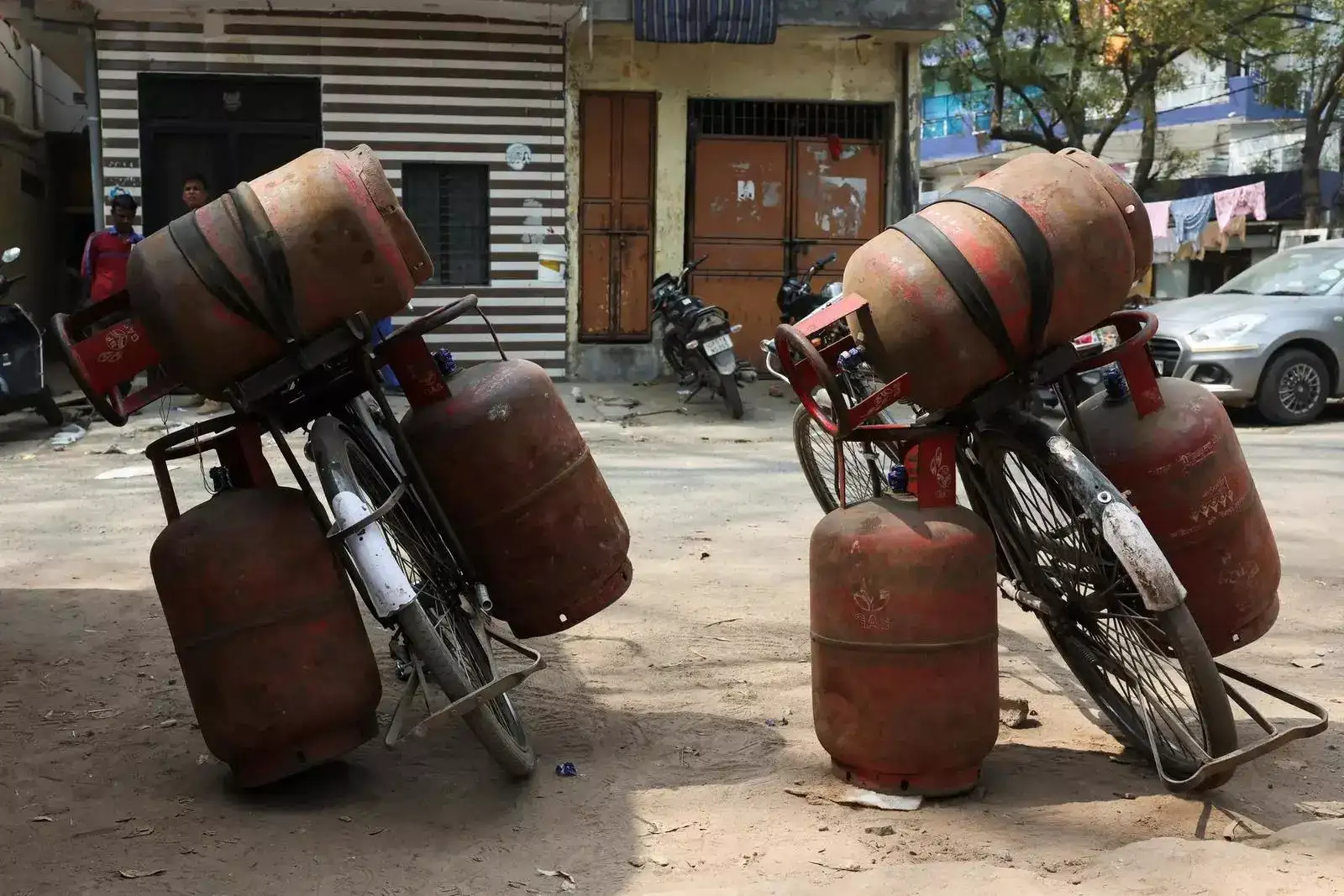
Restaurant associations have warned that if the supply situation does not improve quickly, many eateries may have no option but to temporarily suspend operations. For businesses that depend entirely on LPG for cooking, even a short disruption in supply can halt food preparation and service.
Operators say commercial cylinders that were previously available regularly have become scarce in recent days, creating uncertainty for food service establishments.
India relies on both domestic production and imports to meet its LPG demand. When international supply routes face uncertainty, the impact can quickly be felt across sectors that depend heavily on the fuel.
Industry experts note that commercial users such as restaurants are often more vulnerable to such disruptions because domestic household supply is typically given priority during shortages.
Such price increases add further strain on restaurant owners who already operate on tight margins. Hospitality businesses depend on stable fuel prices to manage operational costs, and sudden spikes in LPG prices can affect menu pricing and profitability.
Dealers have also warned that shortages may encourage illegal practices such as the use of subsidised domestic cylinders for commercial purposes, which poses safety and regulatory concerns.
Dealers say this surge in bookings has resulted in longer delivery waiting periods. While domestic LPG cylinders remain available, the time required for delivery has increased in several locations due to high demand.
Authorities have responded by adjusting booking policies to prevent excessive hoarding and ensure fair distribution.
Officials have also directed oil refineries to increase LPG production wherever possible. The additional output is being diverted to strengthen domestic cooking gas availability during the period of global supply uncertainty.
Another step introduced by the government is extending the waiting period between LPG bookings to around 25 days. This measure is aimed at preventing consumers from booking cylinders repeatedly and creating artificial shortages.
The committee will assess demand from hotels, restaurants and other commercial establishments while ensuring that essential services continue to receive priority access to fuel.
At the same time, the government is exploring additional international sources for LPG imports in order to stabilise supply in the coming weeks.
While the current shortage has raised concerns among businesses and consumers alike, authorities maintain that protecting household cooking gas supply remains the top priority as the country navigates global energy market uncertainty.
Hospitality Sector Faces Immediate Pressure
Hotel and restaurant operators in cities such as Mumbai and Bengaluru have reported growing difficulty in obtaining commercial LPG cylinders used for large-scale cooking operations. Industry representatives say the shortage has already started affecting daily operations, with some establishments struggling to secure enough fuel to continue serving customers.Restaurant associations have warned that if the supply situation does not improve quickly, many eateries may have no option but to temporarily suspend operations. For businesses that depend entirely on LPG for cooking, even a short disruption in supply can halt food preparation and service.
Operators say commercial cylinders that were previously available regularly have become scarce in recent days, creating uncertainty for food service establishments.
Global Tensions Affecting LPG Supply
The disruption in LPG availability has been linked to broader global energy supply concerns. Ongoing geopolitical tensions in West Asia have affected international fuel markets and disrupted shipping and supply chains for liquefied petroleum gas.India relies on both domestic production and imports to meet its LPG demand. When international supply routes face uncertainty, the impact can quickly be felt across sectors that depend heavily on the fuel.
Industry experts note that commercial users such as restaurants are often more vulnerable to such disruptions because domestic household supply is typically given priority during shortages.
Black Market Prices Raise Concerns
With regular supply channels facing pressure, reports have emerged of commercial LPG cylinders being sold at higher prices in informal markets. In some cases, cylinders that normally cost around ₹1,750 are reportedly being sold for nearly ₹1,950 due to limited availability.Such price increases add further strain on restaurant owners who already operate on tight margins. Hospitality businesses depend on stable fuel prices to manage operational costs, and sudden spikes in LPG prices can affect menu pricing and profitability.
Dealers have also warned that shortages may encourage illegal practices such as the use of subsidised domestic cylinders for commercial purposes, which poses safety and regulatory concerns.
Panic Buying Adds Pressure On Household Supply
The situation has also created anxiety among domestic consumers. In some areas, households have rushed to book cylinder refills after hearing about potential shortages.Dealers say this surge in bookings has resulted in longer delivery waiting periods. While domestic LPG cylinders remain available, the time required for delivery has increased in several locations due to high demand.
Authorities have responded by adjusting booking policies to prevent excessive hoarding and ensure fair distribution.
Government Steps In To Stabilise Supply
To manage the situation, the government has instructed state-run oil marketing companies to prioritise the supply of LPG cylinders to households and essential services such as hospitals.You may also like
- "Those who do not understand raise various kinds of arguments": Ishwardas Maharaj slams TMC MP Kirti Azad's criticism
- CM Siddaramaiah writes to Hardeep Singh Puri, requesting intervention in commercial LPG shortage in Bengaluru
- "Happened many times, what Rahul has said has come true": Priyanka Gandhi on natural gas supply disruption
- "Very good....": Skipper Suryakumar after India's historic T20 WC win
- Defence Minister Rajnath Singh to inaugurate Lucknow's Green Corridor on March 13
Officials have also directed oil refineries to increase LPG production wherever possible. The additional output is being diverted to strengthen domestic cooking gas availability during the period of global supply uncertainty.
Another step introduced by the government is extending the waiting period between LPG bookings to around 25 days. This measure is aimed at preventing consumers from booking cylinders repeatedly and creating artificial shortages.
Committee Formed To Review Commercial Gas Needs
Recognising the challenges faced by restaurants and other industries, the Ministry of Petroleum and Natural Gas has formed a committee consisting of senior officials from oil marketing companies. The group will review requests from sectors that depend on commercial LPG and determine how available supplies can be distributed.The committee will assess demand from hotels, restaurants and other commercial establishments while ensuring that essential services continue to receive priority access to fuel.
At the same time, the government is exploring additional international sources for LPG imports in order to stabilise supply in the coming weeks.
While the current shortage has raised concerns among businesses and consumers alike, authorities maintain that protecting household cooking gas supply remains the top priority as the country navigates global energy market uncertainty.






More from our partners


Loving Newspoint? Download the app now
