
One Home One Fuel Rule: Government Bans LPG Cylinders for Households with PNG Connections

In a major step to manage fuel supply, the central government has introduced a new rule affecting households that use gas for cooking. The Ministry of Petroleum and Natural Gas has decided that families with PNG (Piped Natural Gas) connections will no longer be allowed to take LPG cylinders. The decision comes as global tensions in West Asia begin to impact energy supply chains.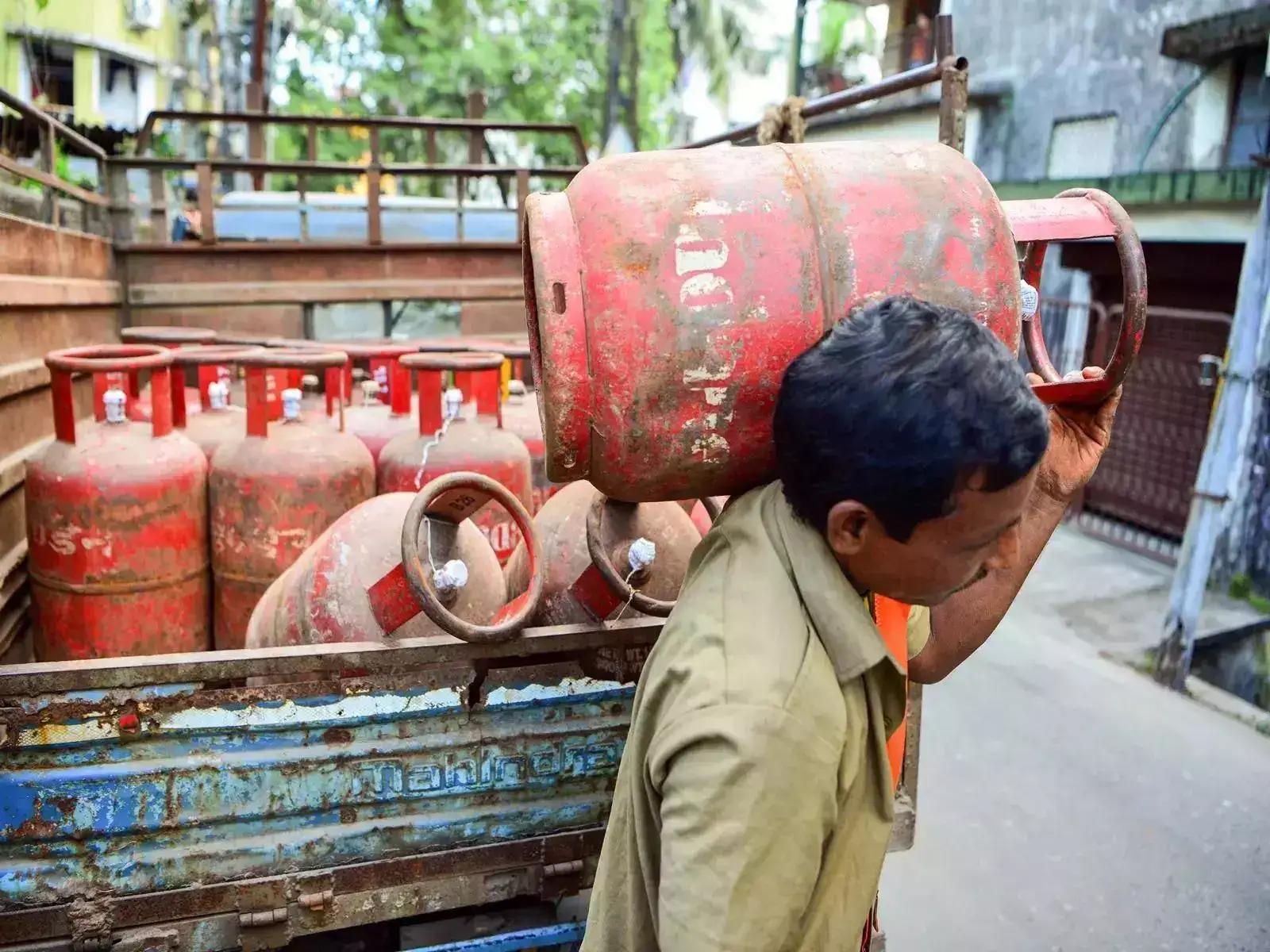
Government Tightens LPG Rules
Under the updated LPG Control Order, oil companies will no longer provide new LPG connections or refill cylinders for households that already have access to a PNG network. The rule clearly states that people cannot maintain both connections. If a household currently uses both LPG and PNG, they must surrender their LPG connection.
Why the Government Took This Step
The decision comes amid concerns about LPG supply disruptions due to geopolitical tensions in West Asia. The ongoing conflict involving Iran, the United States, and Israel has created uncertainty in global energy markets. By restricting LPG access for homes that already have PNG, the government aims to reduce unnecessary demand.
LPG Shipments on the Way to India
Despite the tension in the region, LPG supplies continue to move toward India. Two Indian-flagged LPG ships carrying around 92,700 tonnes of fuel have successfully crossed the Strait of Hormuz and are heading to Indian ports. These vessels are expected to reach Mundra and Kandla ports on March 16 and 17.
Oil Companies to Enforce the Rule
Government oil companies such as Indian Oil Corporation Limited, Bharat Petroleum Corporation Limited and Hindustan Petroleum Corporation Limited will implement the rule through their distributors. They will not issue LPG cylinders to households that already have PNG connections.
Focus on Rural Households
PNG pipelines are mostly available in urban areas where gas is cheaper and delivered directly through pipelines. However, LPG cylinders remain the primary cooking fuel in rural and semi-urban regions. By reducing demand in cities, the government hopes to ensure that subsidized LPG cylinders reach families in villages and smaller towns.
Push Towards One Home One Fuel
This move also supports the government’s “One Home, One Fuel” policy. Authorities have clarified that households with both connections should voluntarily surrender their LPG connection through their distributor or the company’s online portal. While there will be no penalty for surrendering the connection, violating the rule could invite legal action.
Overall, the decision is aimed at improving fuel distribution and ensuring that limited LPG supplies reach households that truly depend on it.
Government Tightens LPG Rules
Under the updated LPG Control Order, oil companies will no longer provide new LPG connections or refill cylinders for households that already have access to a PNG network. The rule clearly states that people cannot maintain both connections. If a household currently uses both LPG and PNG, they must surrender their LPG connection. Why the Government Took This Step
The decision comes amid concerns about LPG supply disruptions due to geopolitical tensions in West Asia. The ongoing conflict involving Iran, the United States, and Israel has created uncertainty in global energy markets. By restricting LPG access for homes that already have PNG, the government aims to reduce unnecessary demand.LPG Shipments on the Way to India
Despite the tension in the region, LPG supplies continue to move toward India. Two Indian-flagged LPG ships carrying around 92,700 tonnes of fuel have successfully crossed the Strait of Hormuz and are heading to Indian ports. These vessels are expected to reach Mundra and Kandla ports on March 16 and 17. Oil Companies to Enforce the Rule
Government oil companies such as Indian Oil Corporation Limited, Bharat Petroleum Corporation Limited and Hindustan Petroleum Corporation Limited will implement the rule through their distributors. They will not issue LPG cylinders to households that already have PNG connections.Focus on Rural Households
PNG pipelines are mostly available in urban areas where gas is cheaper and delivered directly through pipelines. However, LPG cylinders remain the primary cooking fuel in rural and semi-urban regions. By reducing demand in cities, the government hopes to ensure that subsidized LPG cylinders reach families in villages and smaller towns. Push Towards One Home One Fuel
This move also supports the government’s “One Home, One Fuel” policy. Authorities have clarified that households with both connections should voluntarily surrender their LPG connection through their distributor or the company’s online portal. While there will be no penalty for surrendering the connection, violating the rule could invite legal action. Overall, the decision is aimed at improving fuel distribution and ensuring that limited LPG supplies reach households that truly depend on it.
Next Story