
LPG Policy Update: Government Introduces Major Rule Change For Gas Connections, Check Key Details

Amid rising global uncertainties affecting energy supply chains, the Indian government has introduced stricter rules governing domestic gas connections. The latest move focuses on streamlining access to cooking fuel while preventing misuse of subsidies and duplication of resources. At the centre of this policy shift is a clear directive that limits households to a single gas connection, either LPG or piped natural gas, but not both.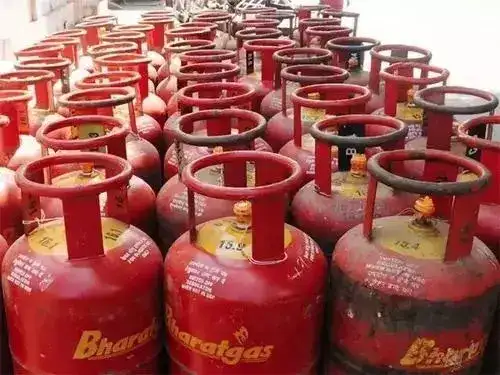
This development comes at a time when concerns over fuel availability and equitable distribution are gaining prominence. Authorities are now taking a closer look at how domestic gas resources are being utilised, particularly in urban regions where multiple options are available.
The policy aims to eliminate duplication and ensure that domestic gas is distributed more efficiently. It also addresses concerns about unnecessary hoarding and overlapping benefits, which can strain supply systems and distort subsidy allocation.
In cities such as Delhi, officials have already begun identifying households that may be using both LPG cylinders and PNG connections. This process is part of a wider effort to bring transparency and discipline into the system.
This measure is intended to ensure that financial support reaches those who genuinely depend on LPG as their primary cooking fuel. By limiting subsidies to eligible users, the government aims to reduce leakages and improve the efficiency of welfare schemes.
The revised framework also discourages the practice of maintaining multiple connections purely for convenience or backup, which has been a concern in several urban areas.
Households found to be holding both connections may be required to surrender one of them, with LPG being the one typically discontinued if PNG is already in use. This requirement is expected to be implemented more strictly in the coming months.
They have been directed not to issue new LPG connections to households that already have piped gas access. Additionally, they are expected to avoid refilling cylinders for such users, reinforcing the one-connection policy at the distribution level.
This coordinated approach between regulatory authorities and service providers is designed to ensure consistent implementation across the country.
Initial findings suggest that a number of consumers have already taken voluntary steps to align with the policy. More than 43,000 households have reportedly surrendered their LPG connections after transitioning to piped gas systems.
However, officials believe that the actual number of dual-connection users could be significantly higher. The ongoing assessment aims to create a clearer picture and enable targeted enforcement.
As implementation gathers pace, households are expected to review their existing connections and make necessary adjustments to remain compliant. The shift may require some adaptation, but it also signals a move towards greater accountability and fairness in the distribution of essential energy resources.
This development comes at a time when concerns over fuel availability and equitable distribution are gaining prominence. Authorities are now taking a closer look at how domestic gas resources are being utilised, particularly in urban regions where multiple options are available.
One Household One Connection Rule Comes Into Effect
The newly enforced regulation makes it mandatory for households to hold only one type of cooking gas connection. This means families that already have access to piped natural gas may no longer continue with an LPG connection simultaneously.The policy aims to eliminate duplication and ensure that domestic gas is distributed more efficiently. It also addresses concerns about unnecessary hoarding and overlapping benefits, which can strain supply systems and distort subsidy allocation.
In cities such as Delhi, officials have already begun identifying households that may be using both LPG cylinders and PNG connections. This process is part of a wider effort to bring transparency and discipline into the system.
Subsidy Benefits Linked To Eligibility
One of the key implications of this rule is the tightening of subsidy eligibility. Households that are already connected to piped gas networks will no longer qualify for subsidised LPG cylinders.This measure is intended to ensure that financial support reaches those who genuinely depend on LPG as their primary cooking fuel. By limiting subsidies to eligible users, the government aims to reduce leakages and improve the efficiency of welfare schemes.
The revised framework also discourages the practice of maintaining multiple connections purely for convenience or backup, which has been a concern in several urban areas.
Amendment Strengthens Legal Framework
The regulatory push is backed by amendments introduced under the Essential Commodities Act. These changes provide legal clarity and strengthen enforcement mechanisms, making it easier for authorities to act against violations.Households found to be holding both connections may be required to surrender one of them, with LPG being the one typically discontinued if PNG is already in use. This requirement is expected to be implemented more strictly in the coming months.
Oil Companies Also Under Directive
The responsibility of enforcing this rule does not lie solely with consumers. Oil marketing companies have also been instructed to comply with the updated guidelines.They have been directed not to issue new LPG connections to households that already have piped gas access. Additionally, they are expected to avoid refilling cylinders for such users, reinforcing the one-connection policy at the distribution level.
This coordinated approach between regulatory authorities and service providers is designed to ensure consistent implementation across the country.
Data Tracking And Voluntary Surrender Trends
To monitor compliance, the government is increasingly relying on data-driven tracking systems. These tools are being used to identify households that may be in violation of the rule by maintaining dual connections.Initial findings suggest that a number of consumers have already taken voluntary steps to align with the policy. More than 43,000 households have reportedly surrendered their LPG connections after transitioning to piped gas systems.
However, officials believe that the actual number of dual-connection users could be significantly higher. The ongoing assessment aims to create a clearer picture and enable targeted enforcement.
Focus On Fair Distribution And System Efficiency
The broader objective of this policy is to ensure that domestic gas resources are utilised responsibly and reach those who need them most. By eliminating duplicate connections and tightening subsidy norms, the government is attempting to create a more balanced and efficient system.As implementation gathers pace, households are expected to review their existing connections and make necessary adjustments to remain compliant. The shift may require some adaptation, but it also signals a move towards greater accountability and fairness in the distribution of essential energy resources.
Next Story