
LPG Shortage: Restaurant Food Prices May Rise by 20–30%, Here’s Why

Dining out could soon become more expensive for many people across India. Restaurants in several cities are facing a serious shortage of commercial LPG cylinders, which are essential for daily kitchen operations. With supply falling and prices rising sharply, industry experts say restaurants may soon increase menu prices by 20–30 per cent. If the situation continues, customers could start feeling the impact as early as April.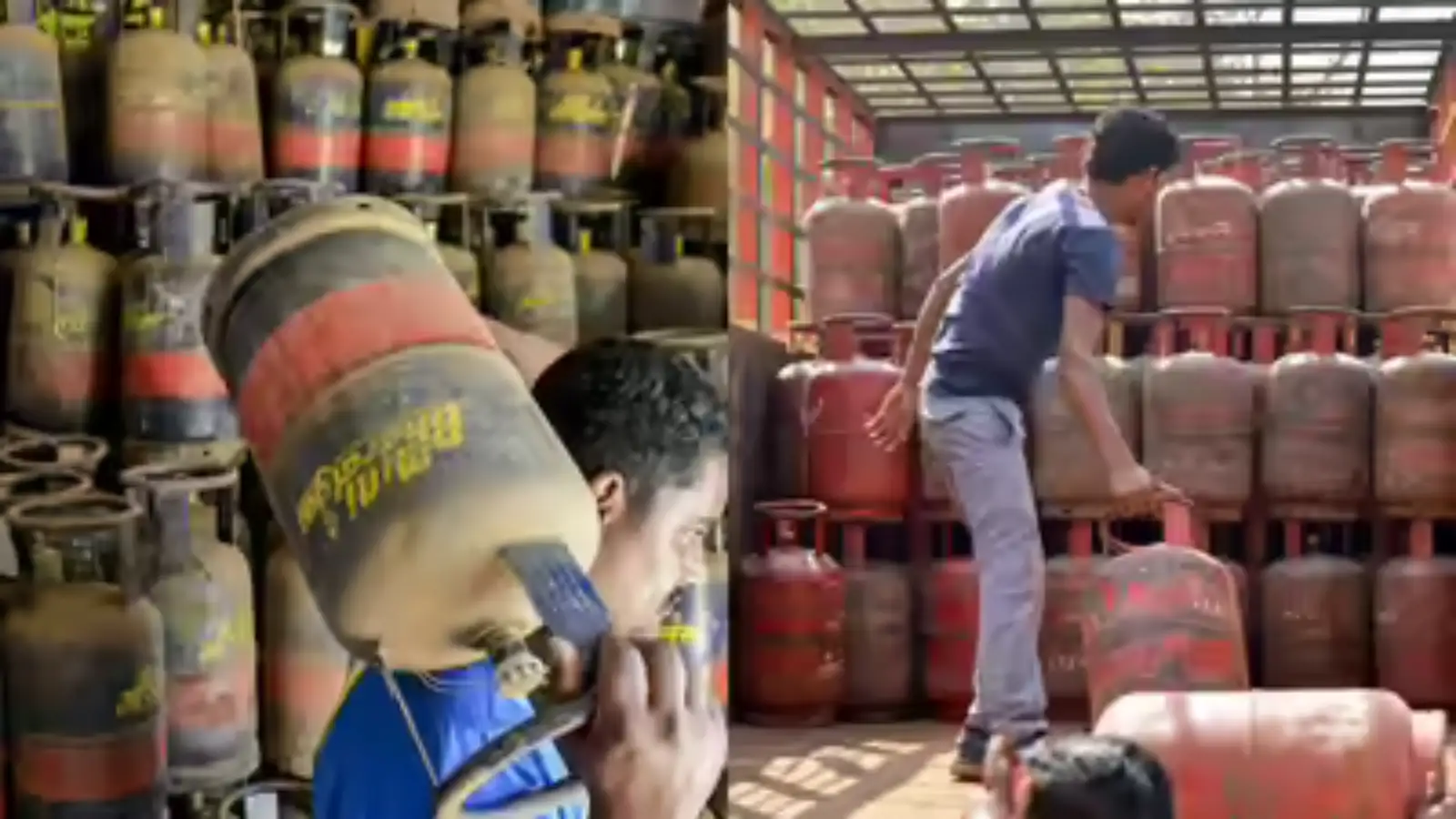
Restaurants Facing Severe LPG Supply Shortage
Restaurants and hotels across multiple cities are currently struggling with a shortage of commercial LPG cylinders. These cylinders are the backbone of restaurant kitchens, powering most cooking operations throughout the day.
Industry insiders say the problem began around March 9, when supply levels suddenly dropped. Many restaurant owners report that they are receiving only a fraction of their usual gas deliveries. In some cases, establishments are getting barely 20 per cent of the cylinders they normally receive, making it extremely difficult to maintain regular kitchen operations.
Daily Cooking Needs Make Restaurants Highly Dependent on LPG
Restaurants require a steady supply of LPG because of their high daily consumption. Even a short disruption in supply can affect the entire workflow of a kitchen.
Due to strict safety guidelines, restaurants cannot store large quantities of gas on their premises. This means they depend heavily on regular deliveries, and any interruption immediately impacts food preparation.
Commercial LPG Prices Have Increased Sharply
Along with the supply shortage, the cost of commercial LPG cylinders has also risen significantly in recent weeks.
According to reports:
This steep increase within a short period has added to the financial pressure on restaurants, many of which are already dealing with rising operational costs.
Global Tensions Contributing to the Crisis
One of the major reasons behind the current LPG shortage is believed to be geopolitical instability in the Middle East. Ongoing tensions involving Israel, Iran, and the United States have disrupted global energy markets.
These developments have affected the supply chain of crude oil and natural gas worldwide. Since India imports a large portion of its energy requirements, international disruptions quickly influence domestic availability and pricing.
Government Prioritising Domestic LPG Supply
To manage the situation, the government has reportedly prioritised the supply of LPG for household cooking needs. According to the Petroleum Ministry, international conditions have affected overall gas availability.
As a result, additional LPG production is currently being directed towards domestic consumers. Essential services such as hospitals and educational institutions are also being given priority in gas allocation.
Restaurant Industry Urges Government to Act
Industry bodies representing restaurants and hotels have urged the government to restore normal LPG supplies as soon as possible. They warn that if the shortage continues, businesses will have no choice but to increase food prices.
The food service and hospitality sector in India supports millions of jobs and plays a significant role in the economy. A prolonged gas shortage could therefore not only increase dining costs but also affect business stability and employment in the sector.
What It Means for Food Lovers
For customers who enjoy eating out regularly, the coming weeks could bring noticeable changes. If LPG supply issues persist and costs continue to rise, restaurants may be forced to pass on the additional expense to customers.
This could mean menu prices increasing by 20–30 per cent, making dining out significantly more expensive in the near future.
Restaurants Facing Severe LPG Supply Shortage
Restaurants and hotels across multiple cities are currently struggling with a shortage of commercial LPG cylinders. These cylinders are the backbone of restaurant kitchens, powering most cooking operations throughout the day.
Industry insiders say the problem began around March 9, when supply levels suddenly dropped. Many restaurant owners report that they are receiving only a fraction of their usual gas deliveries. In some cases, establishments are getting barely 20 per cent of the cylinders they normally receive, making it extremely difficult to maintain regular kitchen operations.
Daily Cooking Needs Make Restaurants Highly Dependent on LPG
Restaurants require a steady supply of LPG because of their high daily consumption. Even a short disruption in supply can affect the entire workflow of a kitchen.
- Small restaurants typically use six to eight cylinders per day.
- Larger restaurants and hotel kitchens may require 10 to 12 cylinders daily.
Due to strict safety guidelines, restaurants cannot store large quantities of gas on their premises. This means they depend heavily on regular deliveries, and any interruption immediately impacts food preparation.
Commercial LPG Prices Have Increased Sharply
Along with the supply shortage, the cost of commercial LPG cylinders has also risen significantly in recent weeks.
According to reports:
- A 19 kg commercial LPG cylinder now costs around ₹2,100 to ₹2,300.
- Earlier, the same cylinder was priced at around ₹1,850.
- Just a month ago, the price was close to ₹1,650.
This steep increase within a short period has added to the financial pressure on restaurants, many of which are already dealing with rising operational costs.
Global Tensions Contributing to the Crisis
One of the major reasons behind the current LPG shortage is believed to be geopolitical instability in the Middle East. Ongoing tensions involving Israel, Iran, and the United States have disrupted global energy markets.
You may also like
- WhatsApp rolls out parent-controlled accounts for children under 13
- Delhi HC judge recuses from hearing 2024-pending bail pleas of actor Leena Maria Paul, others in Rs 200 crore case
- "We may enforce stringent measures against black marketing": Suresh Gopi on LPG crisis
- First in India successful births using umbilical cord stem cell therapy for severe Asherman's syndrome
- Over 660 crore court pages digitised, 2,444 eSewa Kendras set up under e-Courts project
These developments have affected the supply chain of crude oil and natural gas worldwide. Since India imports a large portion of its energy requirements, international disruptions quickly influence domestic availability and pricing.
Government Prioritising Domestic LPG Supply
To manage the situation, the government has reportedly prioritised the supply of LPG for household cooking needs. According to the Petroleum Ministry, international conditions have affected overall gas availability.
As a result, additional LPG production is currently being directed towards domestic consumers. Essential services such as hospitals and educational institutions are also being given priority in gas allocation.
Restaurant Industry Urges Government to Act
Industry bodies representing restaurants and hotels have urged the government to restore normal LPG supplies as soon as possible. They warn that if the shortage continues, businesses will have no choice but to increase food prices.
The food service and hospitality sector in India supports millions of jobs and plays a significant role in the economy. A prolonged gas shortage could therefore not only increase dining costs but also affect business stability and employment in the sector.
What It Means for Food Lovers
For customers who enjoy eating out regularly, the coming weeks could bring noticeable changes. If LPG supply issues persist and costs continue to rise, restaurants may be forced to pass on the additional expense to customers.
This could mean menu prices increasing by 20–30 per cent, making dining out significantly more expensive in the near future.






More from our partners


Loving Newspoint? Download the app now
