Maggi Capsule Video: Real Or AI? Viral Clip Crosses 40 Million Views| Watch

Maggi has been a household favourite in India for decades, loved for its quick preparation and familiar taste. So when videos claiming that the brand had launched a “Maggi capsule” began circulating on social media, they instantly grabbed attention. The clips suggested that the capsule could magically turn into noodles when dropped into boiling water, leaving viewers curious and confused.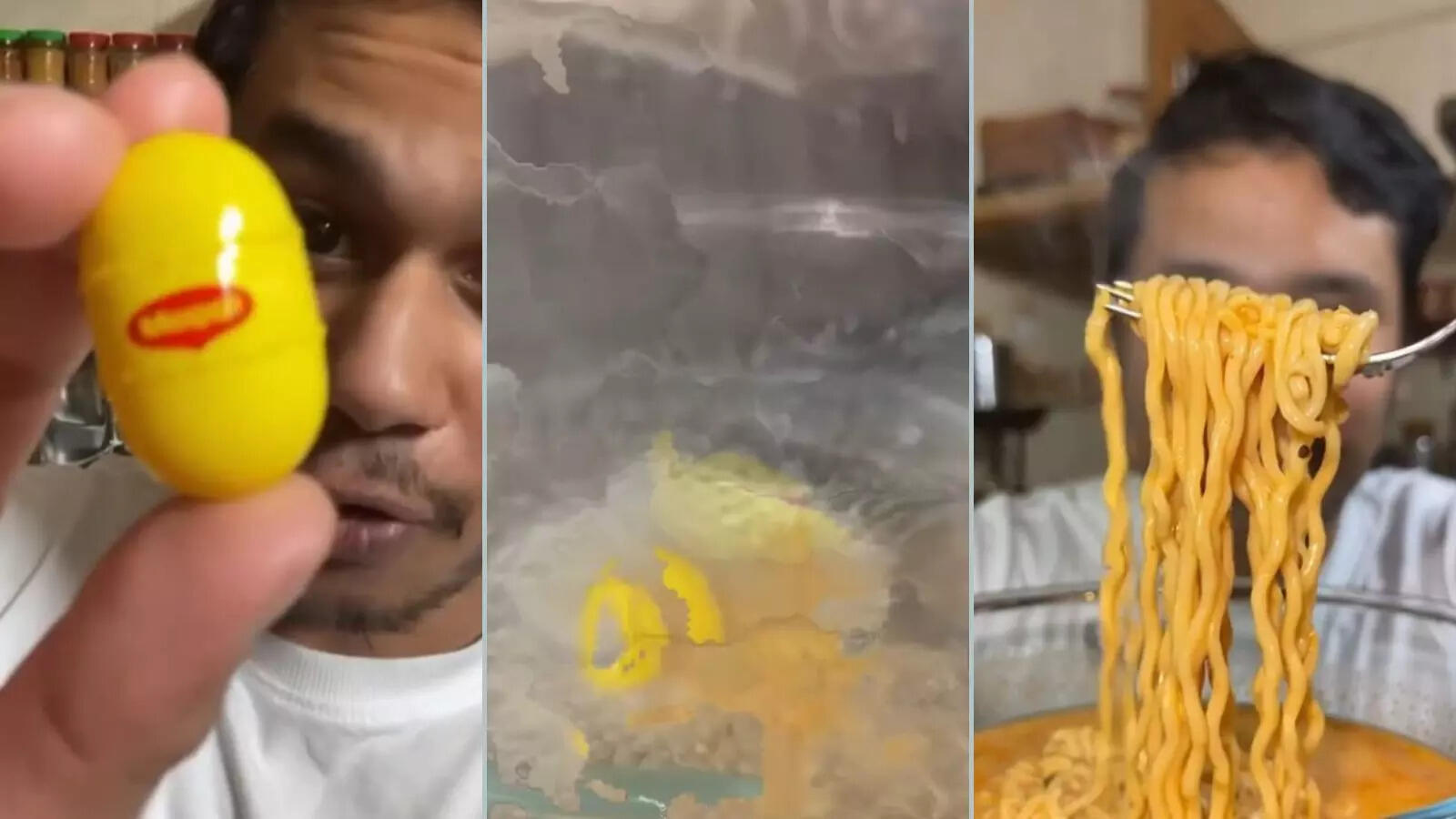
One viral Instagram video shows a man holding a tiny yellow capsule with Maggi’s name on it. He drops the capsule into hot water, where it appears to release noodles and seasoning within seconds. He then cooks the dish, tastes it and praises the supposed new product. In another clip, a woman is seen using an even smaller pill that transforms into long strands of noodles. Sharing her reaction, she says, “Tastes exactly like Maggi.”
As the videos gained traction, many users began questioning whether the product was real or just another internet stunt. The mystery was soon cleared when it was revealed that the clips were entirely AI-generated.
Maggi India’s official Instagram account responded with humour, commenting under the viral posts, “Pls don't celebrate April Fool's Day in other months,” effectively shutting down the rumours.
Several social media users also pointed out flaws that hinted at artificial creation. Some noticed bent or oddly shaped forks, while others felt the facial expressions looked unnatural. “AI is getting out of hand,” one user wrote. Another commented, “You should have at least corrected the shape of your fork.”
Sarcasm flooded the comment sections as well. “Haters will say it's AI,” one user joked, while another added, “Yeah, the food just vanishes into his mouth, definitely real.” A separate comment read, “Just because you are speaking English, it will not look real.”
While the Maggi capsule isn’t real, the viral clips highlight how convincing AI-generated content has become — and how easily it can blur the line between fact and fiction online.
One viral Instagram video shows a man holding a tiny yellow capsule with Maggi’s name on it. He drops the capsule into hot water, where it appears to release noodles and seasoning within seconds. He then cooks the dish, tastes it and praises the supposed new product. In another clip, a woman is seen using an even smaller pill that transforms into long strands of noodles. Sharing her reaction, she says, “Tastes exactly like Maggi.”
As the videos gained traction, many users began questioning whether the product was real or just another internet stunt. The mystery was soon cleared when it was revealed that the clips were entirely AI-generated.
You may also like
- "Will submit our report as soon as possible": Committee head investigating Messi's event chaos at Salt Lake stadium
- Who is this Rehman dakait who robbed Mumbai?; Mahayuti is Dhurandhar alliance: Eknath Shinde
- HM Shah congratulates Nitin Nabin, hails his youth leadership and organisational work
- Haq OTT release update: Where and when to watch Emraan Hashmi-Yami Gautam's courtroom drama. Check streaming details
- BJP Working President: Nitin Nabin's journey from Bihar politics to national role
Maggi India’s official Instagram account responded with humour, commenting under the viral posts, “Pls don't celebrate April Fool's Day in other months,” effectively shutting down the rumours.
Several social media users also pointed out flaws that hinted at artificial creation. Some noticed bent or oddly shaped forks, while others felt the facial expressions looked unnatural. “AI is getting out of hand,” one user wrote. Another commented, “You should have at least corrected the shape of your fork.”
Sarcasm flooded the comment sections as well. “Haters will say it's AI,” one user joked, while another added, “Yeah, the food just vanishes into his mouth, definitely real.” A separate comment read, “Just because you are speaking English, it will not look real.”
While the Maggi capsule isn’t real, the viral clips highlight how convincing AI-generated content has become — and how easily it can blur the line between fact and fiction online.






More from our partners


Loving Newspoint? Download the app now
