
Mahatma Gandhi Gram Swaraj Yojana 2026 Explained: Benefits And Key Features

Mahatma Gandhi Gram Swaraj Yojana 2026 Explained: The Union Budget 2026 has placed strong emphasis on strengthening India’s industrial base, with a clear focus on building a self-reliant economy. A major highlight of the budget is the increased support for infrastructure and the textile sector, aimed at boosting domestic production, rural employment and long-term industrial growth.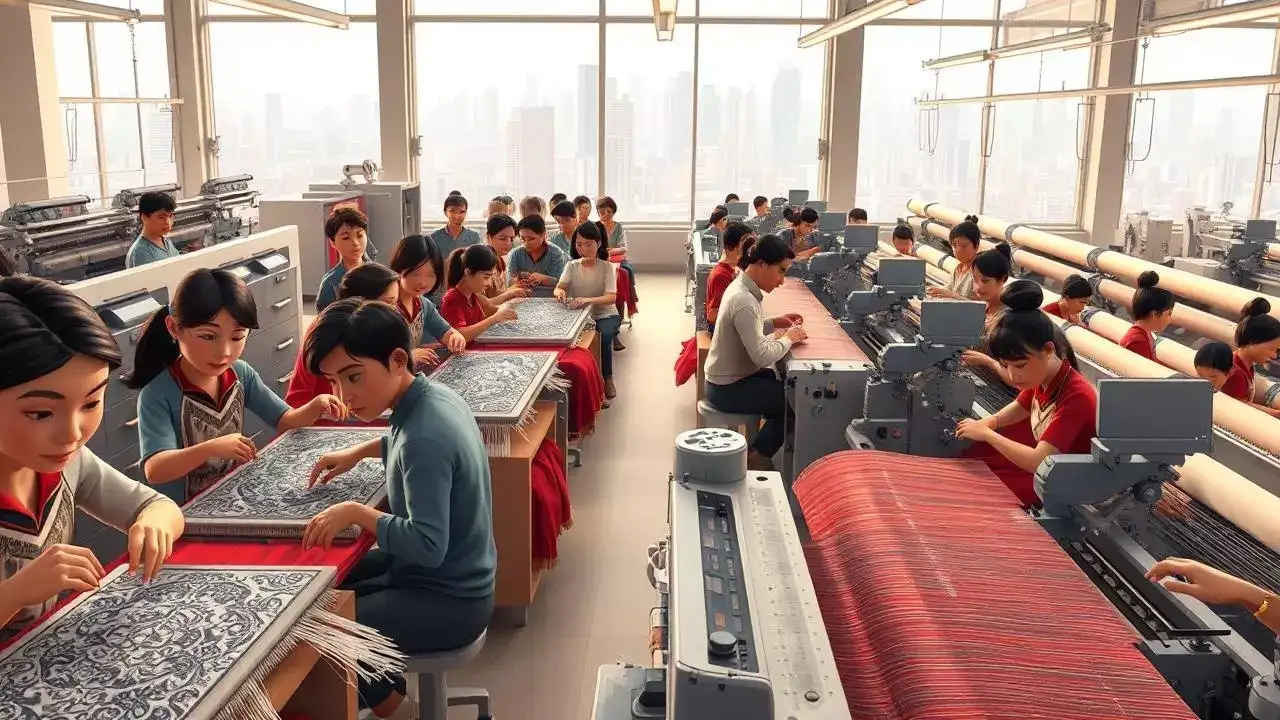
With an allocation of ₹12.20 lakh crore for infrastructure, the government has signalled its intent to create a solid foundation for industry-led development. Alongside this, several initiatives have been announced to modernise textiles, promote handicrafts and empower artisans across the country.
The initiative is expected to modernise production processes, improve quality standards and enhance India’s competitiveness in both domestic and global markets. By encouraging diversification in fibre usage, the scheme aims to future-proof the textile industry.
Support will be extended to artisans through better access to training, production facilities and market opportunities. This renewed focus is expected to help traditional skills adapt to modern market demands.
Such collaboration is expected to improve productivity and create a skilled workforce capable of meeting evolving industry needs.
With an allocation of ₹12.20 lakh crore for infrastructure, the government has signalled its intent to create a solid foundation for industry-led development. Alongside this, several initiatives have been announced to modernise textiles, promote handicrafts and empower artisans across the country.
National Fibre Scheme To Transform Textiles
One of the key announcements in Budget 2026 is the launch of the National Fibre Scheme. This scheme is designed to strengthen the textile value chain by bringing together natural, man-made and new-age fibres under a single framework. Fibres such as silk, wool and jute will be supported alongside modern synthetic and innovative textile materials.The initiative is expected to modernise production processes, improve quality standards and enhance India’s competitiveness in both domestic and global markets. By encouraging diversification in fibre usage, the scheme aims to future-proof the textile industry.
Strong Support For Self-Reliant Manufacturing
The new fibre-focused approach aligns closely with the broader goal of building a self-reliant India . Encouraging domestic manufacturing of fibres and fabrics is expected to reduce dependence on imports while supporting innovation in textile technology. This move is also likely to attract fresh investment into the sector.You may also like
- Corrupt top brass, revolting ranks: How Pakistan's Intelligence collapse unfolded in Balochistan
- "We would like to know if farmers have been protected...": DMK MP Kanimozhi Karunanidhi on India-US trade agreement
- Prateik Smita Patil: Love like Heer-Ranjha's is rare today
- Fractal Files RHP For INR 2,834 Cr IPO, Issue To Open On Feb 9
- Benvenuti Azzurri! Italy chase golden moment in maiden T20 World Cup outing
Handloom And Handicrafts Get Renewed Attention
Budget 2026 has placed special importance on handloom and handicrafts, recognising their presence across every region of the country. These traditional industries play a crucial role in rural employment and cultural preservation, making them central to inclusive economic growth.Support will be extended to artisans through better access to training, production facilities and market opportunities. This renewed focus is expected to help traditional skills adapt to modern market demands.
Industry And Education To Work Together
Under the Samartha 2.0 initiative, closer collaboration between industrial units and educational institutions has been proposed. This partnership will focus on improving skills in textile and fabric production, ensuring that workers are trained in both traditional techniques and modern manufacturing practices.Such collaboration is expected to improve productivity and create a skilled workforce capable of meeting evolving industry needs.
Mega Textile Hub Planned
To strengthen large-scale production, the budget has proposed the creation of a mega textile hub. This hub is expected to bring together manufacturing, processing, logistics and skill development facilities under one umbrella, helping the sector achieve scale and efficiency.One District One Product To Promote Local Artistry
The ‘One District, One Product’ approach will be used to showcase specialised industrial and handicraft products from each district. This model aims to provide artisans with better visibility, encourage local entrepreneurship and create region-specific employment opportunities.Boost To Rural Economy And Global Reach
The combined focus on fibres, handlooms and handicrafts is expected to strengthen the rural economy. By supporting skill development, production and global marketing, the initiatives aim to help Indian artisans reach international markets while ensuring sustainable income growth.Building A Strong Industrial Future
Through targeted schemes and increased investment, Budget 2026 has outlined a clear roadmap for industrial development. The emphasis on textiles, fibre innovation and artisan empowerment highlights a balanced approach that blends tradition with modern industry.





More from our partners


Loving Newspoint? Download the app now
