
Nationwide Bank Strike Today: Check Affected Banks, Services Impact And Key Updates

Public sector banking services across India are likely to face major disruptions on Tuesday, January 27, as bank employee unions go ahead with a nationwide strike to press for the immediate implementation of a five-day workweek . While private sector banks are expected to function normally, customers of public sector banks may experience inconvenience for the third consecutive day.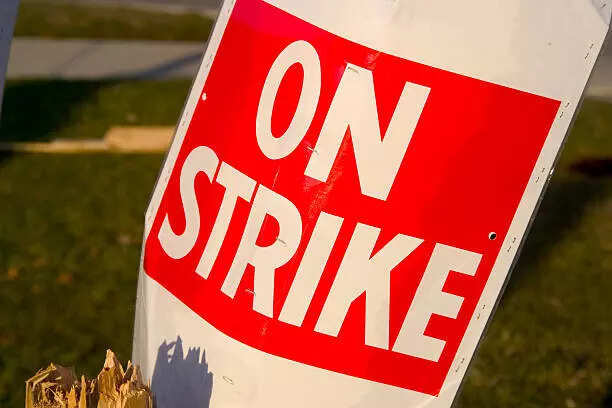
Banks were already closed on Sunday, January 25, and Monday, January 26, due to weekly and Republic Day holidays. If the strike proceeds as planned, essential branch-level services at public sector banks may remain affected on Tuesday as well.
The strike call was announced on January 23 by bank employee unions. With public sector banks forming the core of the protest, customers may find it difficult to access services such as cash withdrawals at branches, cheque clearances, account-related requests, and other in-person banking facilities.
The State Bank of India (SBI) has acknowledged the possibility of disruption, even as it said efforts are being made to ensure smooth functioning. In an official statement issued on January 23, SBI said:
“In this connection, we advise that while the Bank has made necessary arrangements to ensure normal functioning in its branches and offices on the day of strike, it is likely that work in the Bank may be impacted by the Strike,”
Several other public sector banks have also informed customers in advance about potential service interruptions if the strike materialises.
Who Is Leading The Strike?
The protest is being spearheaded by the United Forum of Bank Unions (UFBU), an umbrella organisation representing nine major bank unions. UFBU includes employees and officers from public sector banks and a few old-generation private banks.
The union held meetings with the chief labour commissioner on Wednesday and Thursday ahead of the strike. However, in a statement released after the discussions, UFBU said it would proceed with the strike as the talks did not lead to any resolution.
What Are The Key Demands?
At the heart of the strike is the demand for a five-day workweek, with all Saturdays declared holidays. Currently, banks remain closed on Sundays and the second and fourth Saturdays of every month.
UFBU has argued that banks should follow the same work pattern as other major institutions. Referring to this, the union had earlier said:
“There would be no loss of man-hours as we have agreed to work an extra 40 minutes daily from Monday to Friday,”
The union has maintained that extending daily working hours would ensure productivity levels remain unchanged despite reducing the number of working days.
Why Did The Demand Gain Momentum?
According to an earlier report, the idea of a five-day workweek gained traction in March 2024 during wage revision negotiations. At the time, UFBU decided to push for declaring all Saturdays as bank holidays.
The unions have repeatedly pointed out that institutions such as the RBI, LIC, GIC, stock exchanges, and government offices already operate on a five-day schedule. UFBU has said there is no justification for banks to follow a different system and expressed disappointment over the lack of response from the government to what it termed a “genuine demand”.
Since UFBU mainly represents public sector bank unions, most private sector banks are expected to remain unaffected. Banks such as ICICI Bank, HDFC Bank, Axis Bank, and Kotak Mahindra Bank are likely to operate normally on January 27.
Customers of public sector banks, however, are advised to plan critical transactions in advance and rely on digital banking services such as mobile banking, internet banking, and ATMs where possible, as branch-level services may remain impacted if the strike goes ahead.
Banks were already closed on Sunday, January 25, and Monday, January 26, due to weekly and Republic Day holidays. If the strike proceeds as planned, essential branch-level services at public sector banks may remain affected on Tuesday as well.
Public Sector Banks Likely To Be Hit
The strike call was announced on January 23 by bank employee unions. With public sector banks forming the core of the protest, customers may find it difficult to access services such as cash withdrawals at branches, cheque clearances, account-related requests, and other in-person banking facilities.
The State Bank of India (SBI) has acknowledged the possibility of disruption, even as it said efforts are being made to ensure smooth functioning. In an official statement issued on January 23, SBI said:
“In this connection, we advise that while the Bank has made necessary arrangements to ensure normal functioning in its branches and offices on the day of strike, it is likely that work in the Bank may be impacted by the Strike,”
Several other public sector banks have also informed customers in advance about potential service interruptions if the strike materialises.
Who Is Leading The Strike?
The protest is being spearheaded by the United Forum of Bank Unions (UFBU), an umbrella organisation representing nine major bank unions. UFBU includes employees and officers from public sector banks and a few old-generation private banks.The union held meetings with the chief labour commissioner on Wednesday and Thursday ahead of the strike. However, in a statement released after the discussions, UFBU said it would proceed with the strike as the talks did not lead to any resolution.
What Are The Key Demands?
At the heart of the strike is the demand for a five-day workweek, with all Saturdays declared holidays. Currently, banks remain closed on Sundays and the second and fourth Saturdays of every month. UFBU has argued that banks should follow the same work pattern as other major institutions. Referring to this, the union had earlier said:
“There would be no loss of man-hours as we have agreed to work an extra 40 minutes daily from Monday to Friday,”
You may also like
 Rain lashes parts of Delhi-NCR, temperatures drop
 Nivaan Care Raises $7 Mn To Offer Chronic Pain Management Solutions
- Ranbir Kapoor: Always felt that Rani Mukerji is one for the ages
- Opposition to raise pro-people issues in Budget Session: K Suresh
- UAE weather forecast: Foggy mornings and humid conditions expected this week
The union has maintained that extending daily working hours would ensure productivity levels remain unchanged despite reducing the number of working days.
Why Did The Demand Gain Momentum?
According to an earlier report, the idea of a five-day workweek gained traction in March 2024 during wage revision negotiations. At the time, UFBU decided to push for declaring all Saturdays as bank holidays. The unions have repeatedly pointed out that institutions such as the RBI, LIC, GIC, stock exchanges, and government offices already operate on a five-day schedule. UFBU has said there is no justification for banks to follow a different system and expressed disappointment over the lack of response from the government to what it termed a “genuine demand”.
Which Banks Will Function Normally?
Since UFBU mainly represents public sector bank unions, most private sector banks are expected to remain unaffected. Banks such as ICICI Bank, HDFC Bank, Axis Bank, and Kotak Mahindra Bank are likely to operate normally on January 27.
Customers of public sector banks, however, are advised to plan critical transactions in advance and rely on digital banking services such as mobile banking, internet banking, and ATMs where possible, as branch-level services may remain impacted if the strike goes ahead.






More from our partners


Loving Newspoint? Download the app now
