
New LPG Rule Explained: Why Homes With PNG Connections Cannot Keep Cylinders

The Centre has tightened rules regarding domestic cooking gas use in India. Under the new policy, households that have both LPG cylinders and PNG (piped natural gas) connections will now have to choose one. In most cases, if a PNG connection is active and being used, the LPG cylinder connection must be surrendered.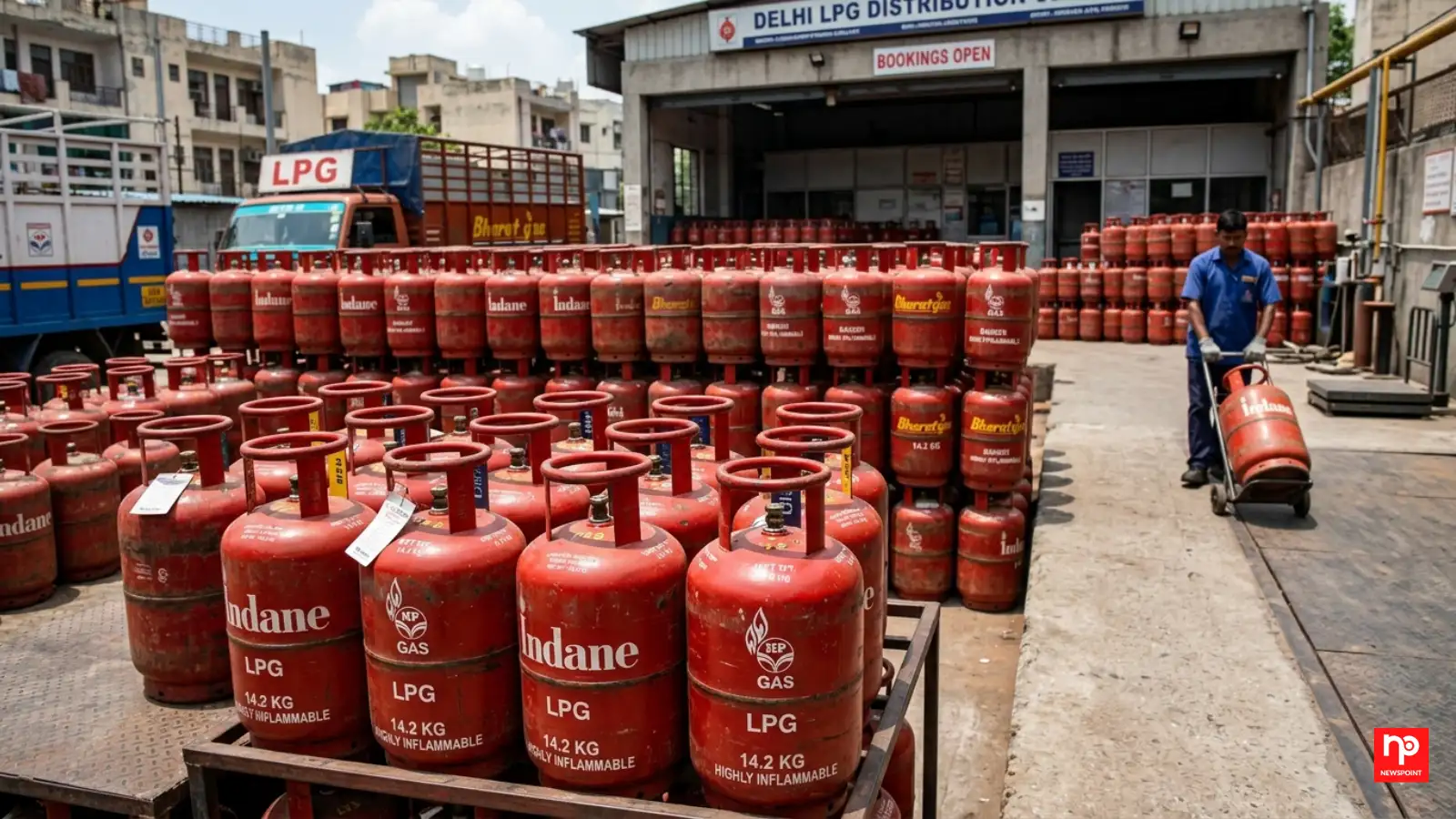
The rule is being enforced under the ministry of petroleum and natural gas and carries legal backing, which means oil companies are required to follow it.
Key reasons include:
Compared to LPG cylinders:
Nearly 50% of natural gas is imported, while about 88% of crude oil comes from abroad. This makes India vulnerable to global supply chain disruptions, which can increase fuel prices and create uncertainty in supply.
At the same time, the government has clarified that there is currently no shortage of LPG for domestic consumers. Officials confirmed that gas supply remains normal across distributors.
About 95% of LPG cylinder deliveries are now being carried out through the Delivery Authentication Code (DAC) system. In the last two days, 87.28 lakh cylinders were delivered against 88.82 lakh bookings. Sales of around 15,900 tonnes of commercial LPG and 876 tonnes of auto LPG were also recorded.
Authorities and gas companies are:
Possible consequences include:
The rule is being enforced under the ministry of petroleum and natural gas and carries legal backing, which means oil companies are required to follow it.
What Is the New LPG and PNG Rule?
Under the revised domestic gas policy:- A household cannot keep both LPG and PNG connections at the same time.
- If PNG is installed and active, the LPG cylinder connection must be surrendered.
- LPG refills may be stopped for households already using PNG.
- Oil companies have been directed not to issue LPG connections in such cases.
Why Is the Government Enforcing This Rule?
The government says the decision is linked to growing global energy pressure and fuel supply concerns.Key reasons include:
- India imports most of its LPG and natural gas.
- Supply routes in West Asia, especially the Strait of Hormuz, face risks in the face of US-Israel’s war on Iran. Disruptions in this region can affect fuel availability and prices in India.
- Reduce duplicate fuel access within the same household.
- Prioritise LPG supply for homes that do not have PNG access.
- Encourage PNG usage as a more stable pipeline-based fuel system.
What Is PNG and Why Is It Being Preferred?
PNG, or piped natural gas, is supplied directly to homes through pipelines.Compared to LPG cylinders:
- It does not require cylinder delivery logistics.
- It is less affected by import or shipping disruptions.
- It is considered more stable in urban supply systems.
Nearly 50% of natural gas is imported, while about 88% of crude oil comes from abroad. This makes India vulnerable to global supply chain disruptions, which can increase fuel prices and create uncertainty in supply.
At the same time, the government has clarified that there is currently no shortage of LPG for domestic consumers. Officials confirmed that gas supply remains normal across distributors.
About 95% of LPG cylinder deliveries are now being carried out through the Delivery Authentication Code (DAC) system. In the last two days, 87.28 lakh cylinders were delivered against 88.82 lakh bookings. Sales of around 15,900 tonnes of commercial LPG and 876 tonnes of auto LPG were also recorded.
How Is the Rule Being Enforced?
Implementation of the new LPG-PNG policy has already started across several areas.You may also like
- Keralam: "Will obey party high command," says Congress MP K Suresh as observers meet MLAs
- Operation Sindoor: Home Minister salutes unparalleled valour of country's arm forces
- IMD warns Kerala Tamil Nadu heavy rain from May 7
- ED raids 12 places in Mohali, Chandigarh, in alleged Greater Mohali Area Development Authority licence fraud case
- NPPA sets new MRP for 42 essential medicines under DPCO
Authorities and gas companies are:
- Identifying households that have both LPG and PNG connections.
- Asking users to verify their records and connection details.
- Instructing some households to surrender LPG cylinders.
- Warning LPG distributors not to provide services to dual-connection users.
What Happens if Consumers Do Not Comply?
Consumers who continue using both connections despite the rule may face action from authorities.Possible consequences include:
- LPG refills being stopped
- LPG connections getting disconnected
- Penalties in certain cases
What Should Consumers Do Now?
Consumers are advised to take the following steps to avoid disruption in gas services:- Check whether the LPG connection is linked to the correct mobile number.
- Verify connection status through official gas company portals or mobile apps.
- If PNG is active, coordinate with the LPG distributor to surrender the cylinder connection.
- Ensure all records and customer details are updated properly.






More from our partners


Loving Newspoint? Download the app now
