
New Toll Rules 2026: Overloaded Trucks Face 4x Charges with Mandatory Vahan Reporting

In a major step to tighten monitoring on highways, the Ministry of Road Transport and Highways has introduced stricter rules for overloaded vehicles. From April 15, all such vehicles will not only pay higher toll charges but will also be digitally recorded and reported through the government system.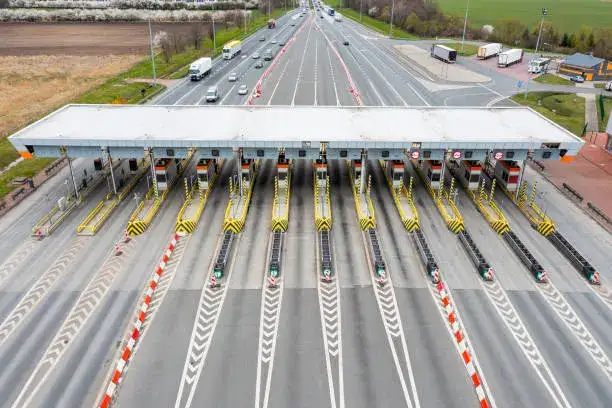
The move is aimed at improving transparency, preventing revenue loss, and ensuring better enforcement of road safety laws.
Toll Collection Only Through FASTag
Under the new system, toll charges for overloaded vehicles will be collected exclusively through FASTag. This ensures that every transaction is recorded digitally, leaving little scope for under-reporting or manual errors.
Toll operators are now required to log details of overloaded vehicles and upload the information to the government’s Vahan Portal. This digital tracking will help authorities monitor violations more effectively.
Revised Toll Charges for Overloading
The new rules introduce a clear structure based on the level of excess load:
These charges will be calculated using certified weighing systems installed at toll plazas.
Stronger Enforcement Through Digital Records
The mandatory reporting to the Vahan portal is a key part of the new system. Once a vehicle is flagged for overloading, enforcement agencies can use this data to take further action.
As per the updated Motor Vehicles Act 2019, overloaded goods vehicles can face a penalty of Rs 20,000, along with an additional fine of Rs 2,000 per tonne for extra load. The digital trail will make it easier to impose these penalties without delays.
Exceptions and Conditions
The rules specify that overload charges will only apply at toll plazas equipped with proper weighing machines. If such facilities are not available, no additional fee will be collected.
Certain older highway projects developed under private agreements may not immediately adopt these rules unless the operators agree to the changes.
A Push for Safer and More Efficient Highways
Overloading has been a long-standing issue that affects road quality and increases accident risks. By combining higher toll penalties with mandatory digital reporting, the government aims to improve compliance across the transport sector.
The new system is expected to reduce road damage, ensure fair toll collection, and promote safer movement of goods on national highways.
The move is aimed at improving transparency, preventing revenue loss, and ensuring better enforcement of road safety laws.
Toll Collection Only Through FASTag
Under the new system, toll charges for overloaded vehicles will be collected exclusively through FASTag. This ensures that every transaction is recorded digitally, leaving little scope for under-reporting or manual errors.Toll operators are now required to log details of overloaded vehicles and upload the information to the government’s Vahan Portal. This digital tracking will help authorities monitor violations more effectively.
Revised Toll Charges for Overloading
The new rules introduce a clear structure based on the level of excess load:- Up to 10 percent overload will not attract additional toll
- Between 10 percent and 40 percent overload will result in double toll charges
- More than 40 percent overload will lead to four times the normal toll
These charges will be calculated using certified weighing systems installed at toll plazas.
Stronger Enforcement Through Digital Records
The mandatory reporting to the Vahan portal is a key part of the new system. Once a vehicle is flagged for overloading, enforcement agencies can use this data to take further action. As per the updated Motor Vehicles Act 2019, overloaded goods vehicles can face a penalty of Rs 20,000, along with an additional fine of Rs 2,000 per tonne for extra load. The digital trail will make it easier to impose these penalties without delays.
Exceptions and Conditions
The rules specify that overload charges will only apply at toll plazas equipped with proper weighing machines. If such facilities are not available, no additional fee will be collected.Certain older highway projects developed under private agreements may not immediately adopt these rules unless the operators agree to the changes.
A Push for Safer and More Efficient Highways
Overloading has been a long-standing issue that affects road quality and increases accident risks. By combining higher toll penalties with mandatory digital reporting, the government aims to improve compliance across the transport sector. The new system is expected to reduce road damage, ensure fair toll collection, and promote safer movement of goods on national highways.
Next Story