
Barrier-Free Tolling System to Launch by December 2026: Vehicles Won’t Need to Stop at Toll Plazas

Highway travel in India is gearing up for a major transformation. Union Road Transport and Highways Minister Nitin Gadkari has announced that by December 2026, select national highways will begin adopting a barrier-free toll system, promising a faster, smoother, and hassle-free journey for commuters.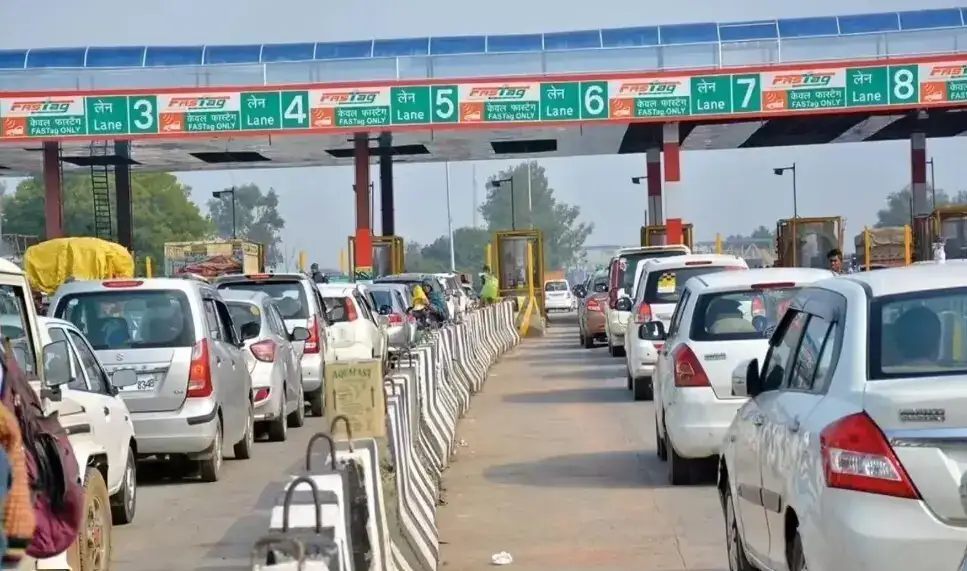
No More Waiting at Toll Plazas
The upcoming system is based on Multi-Lane Free Flow (MLFF) technology, which removes the need for traditional toll booths and physical barriers. Instead of stopping to pay, vehicles will simply drive through while overhead sensors and smart cameras automatically track and process toll payments.
This means long queues, traffic bottlenecks, and repeated halts at toll plazas could soon become a thing of the past.
FASTag and AI-Powered Monitoring
The new toll model will combine FASTag with Automatic Number Plate Recognition (ANPR) technology for seamless toll collection.
Here’s how it works:
Faster Travel, Less Fuel Waste
With this system in place, vehicles can move through toll corridors at speeds of up to 80 kmph without stopping.
Key benefits include:
Strict Digital Enforcement
The barrier-free model also comes with tighter enforcement measures.
Major Savings for the Economy
According to government estimates, this advanced tolling system could help save nearly ₹8,000 crore every year by reducing revenue leakages and improving collection transparency.
Beyond direct savings, smoother transport movement is also expected to cut logistics costs and strengthen India’s road infrastructure.
A New Era for Indian Roads
India’s move toward barrier-free tolling signals a major step toward smarter, tech-driven highways. By reducing delays, improving transparency, and making travel more efficient, this initiative could redefine the future of road travel across the country. For millions of motorists, the road ahead may soon become much faster and far more convenient.
No More Waiting at Toll Plazas
The upcoming system is based on Multi-Lane Free Flow (MLFF) technology, which removes the need for traditional toll booths and physical barriers. Instead of stopping to pay, vehicles will simply drive through while overhead sensors and smart cameras automatically track and process toll payments. This means long queues, traffic bottlenecks, and repeated halts at toll plazas could soon become a thing of the past.
FASTag and AI-Powered Monitoring
The new toll model will combine FASTag with Automatic Number Plate Recognition (ANPR) technology for seamless toll collection. Here’s how it works:
- RFID scanners will detect FASTag details
- AI-enabled cameras will scan vehicle number plates
- Toll charges will be deducted digitally in real time
You may also like
- SC urges law change on pregnancy termination for minor rape-victims
- Developing climate-resilient road infra in geologically fragile Himalayan region a challenge: Gadkari
- Emerging women athletes: Under-29 10K category reflects talent and ambition
- India's marine fish catch rises 3 per cent in 2025; Kerala records 2 per cent growth, says CMFRI
- I-PAC director Vinesh Chandel gets bail in money laundering case
Faster Travel, Less Fuel Waste
With this system in place, vehicles can move through toll corridors at speeds of up to 80 kmph without stopping. Key benefits include:
- Significant reduction in travel time
- Lower fuel consumption
- Less traffic congestion
- Improved driving comfort
- Reduced pollution from idling vehicles
Strict Digital Enforcement
The barrier-free model also comes with tighter enforcement measures. - Unpaid tolls will trigger e-notices
- Repeat offenders may face FASTag suspension
- Fines can be imposed for non-compliance
Major Savings for the Economy
According to government estimates, this advanced tolling system could help save nearly ₹8,000 crore every year by reducing revenue leakages and improving collection transparency. Beyond direct savings, smoother transport movement is also expected to cut logistics costs and strengthen India’s road infrastructure.
A New Era for Indian Roads
India’s move toward barrier-free tolling signals a major step toward smarter, tech-driven highways. By reducing delays, improving transparency, and making travel more efficient, this initiative could redefine the future of road travel across the country. For millions of motorists, the road ahead may soon become much faster and far more convenient. 





More from our partners


Loving Newspoint? Download the app now
