
PM Narendra Modi Discusses West Asia Tensions With French President Macron: 'Urgent Need For De-Escalation'

Prime Minister Narendra Modi has been actively engaging global leaders to address the escalating tensions in West Asia. On Thursday, he spoke with France’s President Emmanuel Macron, stressing the urgent need for de-escalation and a return to dialogue and diplomacy.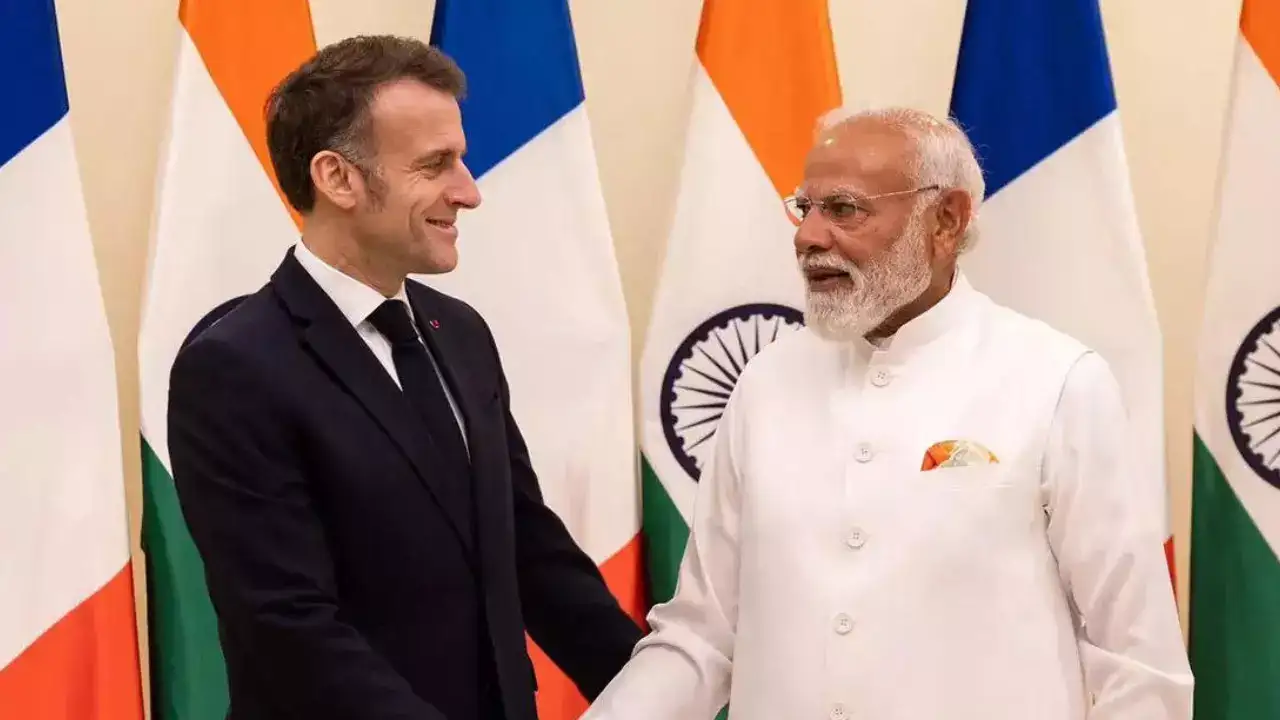
“Spoke with my dear friend, President Emmanuel Macron, on the situation in West Asia and the urgent need for de-escalation, as well as a return to dialogue and diplomacy,” Modi tweeted. He added that both leaders look forward to continuing close coordination to promote peace and stability in the region and beyond.
Earlier, Modi held separate calls with Oman’s Sultan Haitham bin Tariq and Malaysian Prime Minister Anwar Ibrahim to discuss the ongoing crisis. He highlighted the importance of safe and free navigation through the Strait of Hormuz, a vital route for global energy supplies.
“Had a productive conversation with my brother Sultan Haitham bin Tariq and conveyed advance Eid greetings to the people of Oman. We agreed on the need to prioritize dialogue and diplomacy for de-escalation and subsequent restoration of peace and stability,” Modi said on X. He also condemned violations of Oman’s sovereignty and praised its efforts in safely repatriating thousands, including Indian nationals.
With Malaysia’s Anwar Ibrahim, Modi extended warm Hari Raya Aidilfitri greetings and reaffirmed both nations’ commitment to de-escalation and early restoration of peace through diplomacy.
Last week, Modi also spoke to Iranian President Masoud Pezeshkian, expressing concern over rising tensions, civilian casualties, and damage to infrastructure. He emphasized India’s priority: the safety of its nationals and the uninterrupted transit of goods and energy. Modi reiterated India’s dedication to peace and urged dialogue as the path to resolving the crisis.
India’s top leadership is now actively coordinating with global partners, sending a clear message that diplomacy and stability must prevail in West Asia.
“Spoke with my dear friend, President Emmanuel Macron, on the situation in West Asia and the urgent need for de-escalation, as well as a return to dialogue and diplomacy,” Modi tweeted. He added that both leaders look forward to continuing close coordination to promote peace and stability in the region and beyond.
Earlier, Modi held separate calls with Oman’s Sultan Haitham bin Tariq and Malaysian Prime Minister Anwar Ibrahim to discuss the ongoing crisis. He highlighted the importance of safe and free navigation through the Strait of Hormuz, a vital route for global energy supplies.
You may also like
- CBI files caveats in Supreme Court in Kejriwal, Sisodia SLP against Delhi HC order in Excise Case
- Meat shops near temples, schools to remain shut in Haryana
- Rajasthan Weather Update: Temperature drops to 11 degrees, storm and rain alert for more than 17 districts today
- Tata Power Shares Jump Nearly 4%, Signs PPA With Gujarat For Mundra Plant Boosting Earnings Outlook
- Son kills father over land dispute, gets life sentence
“Had a productive conversation with my brother Sultan Haitham bin Tariq and conveyed advance Eid greetings to the people of Oman. We agreed on the need to prioritize dialogue and diplomacy for de-escalation and subsequent restoration of peace and stability,” Modi said on X. He also condemned violations of Oman’s sovereignty and praised its efforts in safely repatriating thousands, including Indian nationals.
With Malaysia’s Anwar Ibrahim, Modi extended warm Hari Raya Aidilfitri greetings and reaffirmed both nations’ commitment to de-escalation and early restoration of peace through diplomacy.
Last week, Modi also spoke to Iranian President Masoud Pezeshkian, expressing concern over rising tensions, civilian casualties, and damage to infrastructure. He emphasized India’s priority: the safety of its nationals and the uninterrupted transit of goods and energy. Modi reiterated India’s dedication to peace and urged dialogue as the path to resolving the crisis.
India’s top leadership is now actively coordinating with global partners, sending a clear message that diplomacy and stability must prevail in West Asia.






More from our partners


Loving Newspoint? Download the app now
