
Premium Petrol Prices Rise by Up to ₹2.35/Litre Amid Middle East Tensions

In a selective price revision, oil marketing companies have increased the prices of premium petrol variants by around Rs 2.35 per litre, while keeping regular petrol and diesel rates unchanged across the country.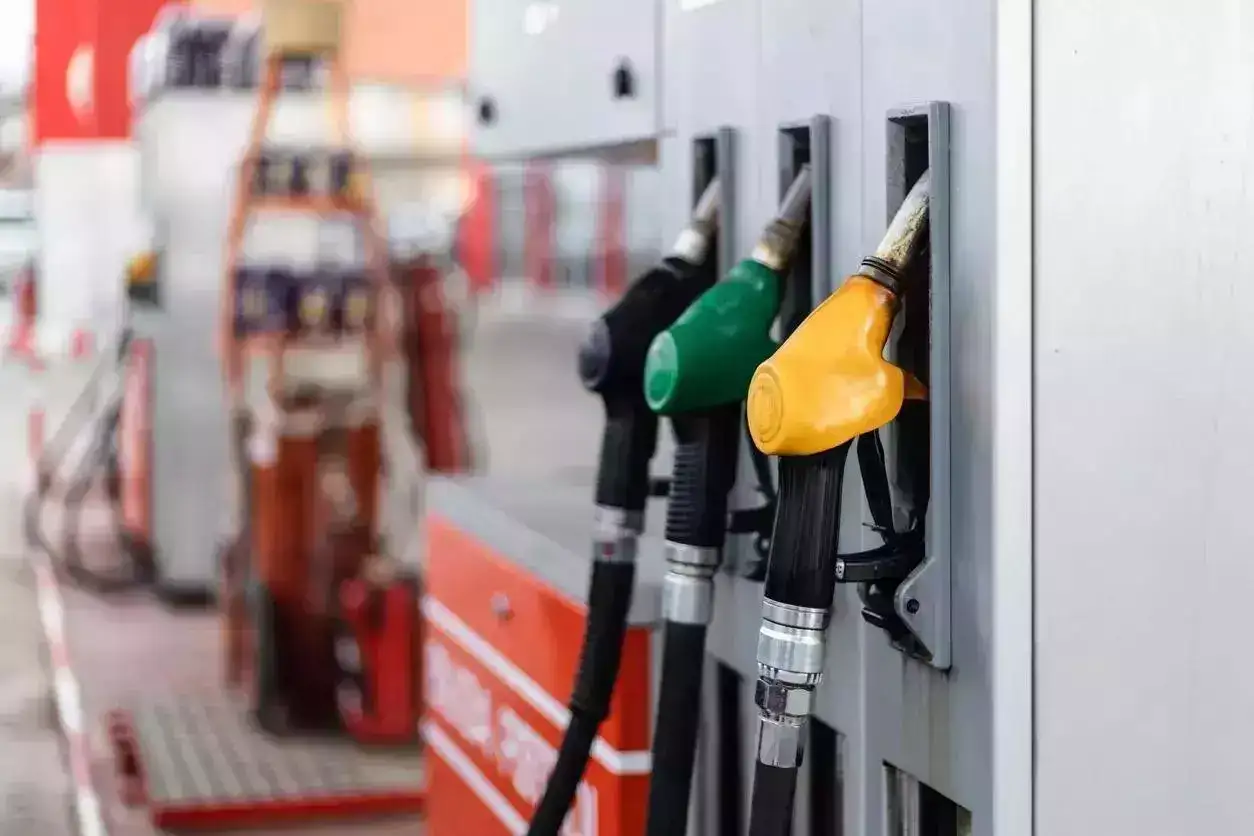
The move comes at a time when global crude oil prices are rising and geopolitical tensions in West Asia continue to impact energy markets.
Reports suggest that the increase ranges between Rs 2 and Rs 2.35 per litre, depending on the brand and location. The revised prices came into effect from March 20.
This means that consumers who use premium petrol will now have to pay slightly more at the pump, while most regular fuel users remain unaffected.
This stability comes even as global crude oil markets remain volatile, indicating that companies have opted for a targeted revision rather than a broad-based increase.
At the same time, the Indian rupee has weakened against the US dollar, making crude oil imports more expensive for India, which depends heavily on imported fuel.
Instead of increasing prices across the board, oil companies appear to have adjusted only premium petrol rates, as these fuels account for a smaller share of overall consumption.
However, users of premium fuels like XP95 and Power petrol will see a marginal increase in their fuel expenses.
The move also signals that cost pressures are building in the fuel system. If global crude oil prices remain high, a broader revision in fuel prices cannot be ruled out in the future.
At the same time, the situation highlights how global developments such as geopolitical tensions and currency fluctuations continue to influence fuel pricing in India.
The move comes at a time when global crude oil prices are rising and geopolitical tensions in West Asia continue to impact energy markets.
Premium Petrol Gets Costlier
The price hike applies to high-octane petrol variants such as Indian Oil ’s XP95, Bharat Petroleum ’s Speed, and Hindustan Petroleum’s Power petrol.Reports suggest that the increase ranges between Rs 2 and Rs 2.35 per litre, depending on the brand and location. The revised prices came into effect from March 20.
This means that consumers who use premium petrol will now have to pay slightly more at the pump, while most regular fuel users remain unaffected.
No Change in Regular Petrol and Diesel Prices
Despite the hike in premium fuel, there has been no change in the prices of regular petrol and diesel. Rates continue to remain stable across major cities.This stability comes even as global crude oil markets remain volatile, indicating that companies have opted for a targeted revision rather than a broad-based increase.
Why Only Premium Petrol Prices Were Increased
The price hike is largely linked to rising crude oil prices in the international market. Brent crude has been trading at elevated levels due to ongoing tensions in West Asia and fears of supply disruptions.At the same time, the Indian rupee has weakened against the US dollar, making crude oil imports more expensive for India, which depends heavily on imported fuel.
You may also like
- Puducherry assembly polls 2026: Seat battle intensifies as Congress eyes larger share - why DMK could resist
- India blocks release of Oscar-nominated Gaza film 'The Voice of Hind Rajab'
- CM Sukhu invites investment in tourism, food processing and IT sectors
- "Denied but not defeated": Shama Mohamed flags under-representation of women in Congress ticket distribution ahead of Kerala polls
- Laxman Sivaramakrishnan Announces Retirement From Commentary Citing 'Colour Discrimination'; R. Ashwin Reacts
Instead of increasing prices across the board, oil companies appear to have adjusted only premium petrol rates, as these fuels account for a smaller share of overall consumption.
Impact on Consumers
For most consumers, the immediate impact is limited since regular petrol and diesel prices remain unchanged.However, users of premium fuels like XP95 and Power petrol will see a marginal increase in their fuel expenses.
The move also signals that cost pressures are building in the fuel system. If global crude oil prices remain high, a broader revision in fuel prices cannot be ruled out in the future.
What This Means Going Forward
The selective price hike reflects a cautious approach by oil companies. By increasing prices only for premium petrol, they are managing rising input costs without directly impacting the majority of consumers.At the same time, the situation highlights how global developments such as geopolitical tensions and currency fluctuations continue to influence fuel pricing in India.






More from our partners


Loving Newspoint? Download the app now
