
Big Updates for Ration Card Holders in 2026: New Benefits Announced

The year 2026 marks a significant shift in India’s ration system. Amid widespread rumors on social media claiming that free grain distribution will end, the government has clarified that the Pradhan Mantri Garib Kalyan Anna Yojana (PMGKAY) will continue. What’s changing is the way benefits are delivered, with technology playing a key role in making the system more transparent and convenient for beneficiaries.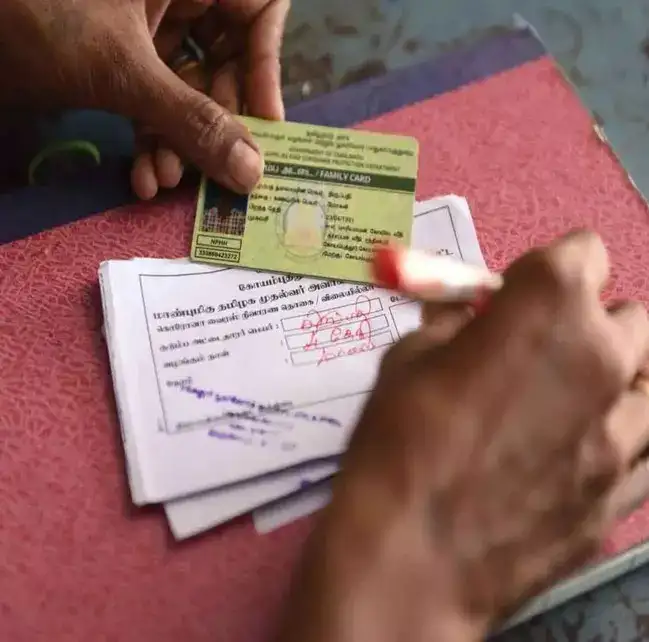
With these changes, the government ensures that no family loses out on essential support while embracing technology to improve delivery, marking a new chapter in India’s approach to social welfare.
Digital Vouchers and e-RUPI
To reduce queues and streamline distribution, the government is testing digital vouchers through e-RUPI in cities like Chandigarh and Puducherry. Beneficiaries now receive a voucher directly on their mobile phones, which they can use at their preferred store to buy quality grain. This approach not only saves time but also ensures flexibility, allowing families to choose items according to their needs. In areas where traditional distribution faces challenges, cash or e-RUPI vouchers will replace physical grain.Monthly Cash Assistance
Beyond grains, many states are now offering additional cash support. Delhi, Maharashtra, and Uttar Pradesh plan to provide eligible families with ₹1,000 per month for essential items such as pulses, oil, and milk. Delhi has also announced direct transfers of around ₹853 per household for gas cylinders during major festivals like Holi and Diwali. Only families with Aadhaar-linked ration cards and whose income falls within prescribed limits are eligible for these benefits.Ration Distribution in Uttar Pradesh
In Uttar Pradesh, Chief Minister Yogi Adityanath has assured that free grain distribution will continue. To enhance transparency, new systems like the Annapurna ATM have been introduced in cities including Lucknow, Ghaziabad, and Varanasi. These machines allow beneficiaries to withdraw their ration directly, reducing dependency on middlemen and making the process more efficient.The Bigger Picture
The 2026 updates show the government’s focus on modernizing the Public Distribution System (PDS). By combining digital tools with financial assistance, the aim is to reduce corruption, increase transparency, and give beneficiaries greater freedom in how they access and use their entitlements. For ration card holders, this is not just an upgrade in convenience, it’s a step towards a more flexible and user-friendly welfare system.With these changes, the government ensures that no family loses out on essential support while embracing technology to improve delivery, marking a new chapter in India’s approach to social welfare.
Next Story