
Ration Card Rule Change: Who Will Receive 7.5 Kg Food Grains Every Month?

Big relief could be on the way for crores of Antyodaya Anna Yojana beneficiaries. The central government is reportedly planning a major reform in the ration system to fix long-standing inequality in food grain distribution . If implemented, this change could ensure that every eligible person gets a fair and need-based share of ration.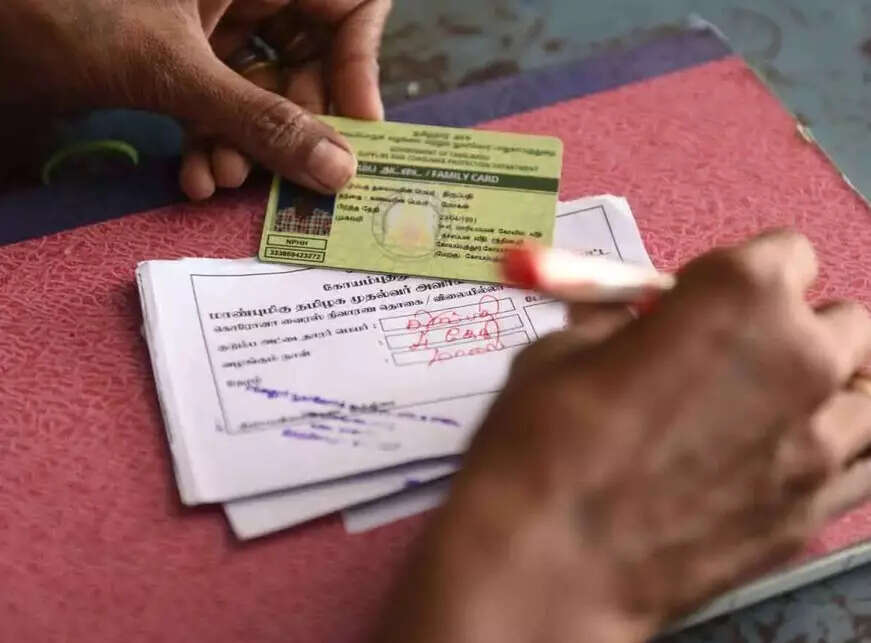
If approved, this reform could mark a historic shift in India’s public distribution system, putting people, not households, at the center of food security.
What’s changing in the current system?
At present, Antyodaya ration card holders receive a fixed 35 kg of food grains per family every month. This rule applies uniformly, whether a family has two members or seven. While smaller families often end up with surplus grain, larger households struggle to make ends meet with the same quantity.Government’s plan for fair distribution
To address this imbalance, the Centre is preparing to amend rules under the National Food Security Act. The focus is to shift from a “per family” model to a “per person” system, making ration distribution more equitable and practical.You may also like
- Saraswati Puja celebrated with devotion, grandeur in Bihar
- Delhi HC explains remarks, flags selective social media reporting in Newslaundry-TV Today dispute
- North Korea yet to announce schedule for first party congress in five years
 "Kept on targeting opposition parties: BRS MLA slams Telangana govt
- IBPS RRB Clerk Prelims Result 2025 out at www.ibps.in; check steps to download and more
7.5 kg food grains per person
As per a report by the Union Food Ministry, the new proposal suggests distributing 7.5 kg of food grains per Antyodaya beneficiary. This is higher than the 5 kg given to regular ration card holders. The revised system is expected to be rolled out nationwide by March 2026.Who benefits and who doesn’t?
If the rule comes into force, around 1.71 crore Antyodaya families will be impacted. Households with four or fewer members may see a slight reduction compared to the current 35 kg allocation. However, families with five or more members will receive more food grains than before, easing their monthly burden.Why the move matters
The government says this step will help reduce wastage, save food grains, and ensure that assistance reaches those who truly need it. Ultimately, the aim is to strengthen food security for the poorest sections of society.About the Antyodaya scheme
The Antyodaya Anna Yojana, also known as the Pink Ration Card scheme, is part of the National Food Security framework. Implemented by state food and civil supplies departments, such as in Uttarakhand, it focuses on providing highly subsidized food grains to the most vulnerable families.If approved, this reform could mark a historic shift in India’s public distribution system, putting people, not households, at the center of food security.






More from our partners


Loving Newspoint? Download the app now
