
India’s Most Delayed Train: When a Goods Wagon Took 3.5 Years to Reach Destination

When you think about train delays in India, most of us picture a train arriving a few hours late. Many trains can be delayed by six, eight, or even ten hours now and then. However, one journey stands out as truly unusual in the history of Indian Railways. A goods train wagon that started from Visakhapatnam in Andhra Pradesh was booked to travel to Basti in Uttar Pradesh, but it did not reach its destination for over 3.5 years. What was meant to be a short trip turned into one of the most delayed train journeys in India.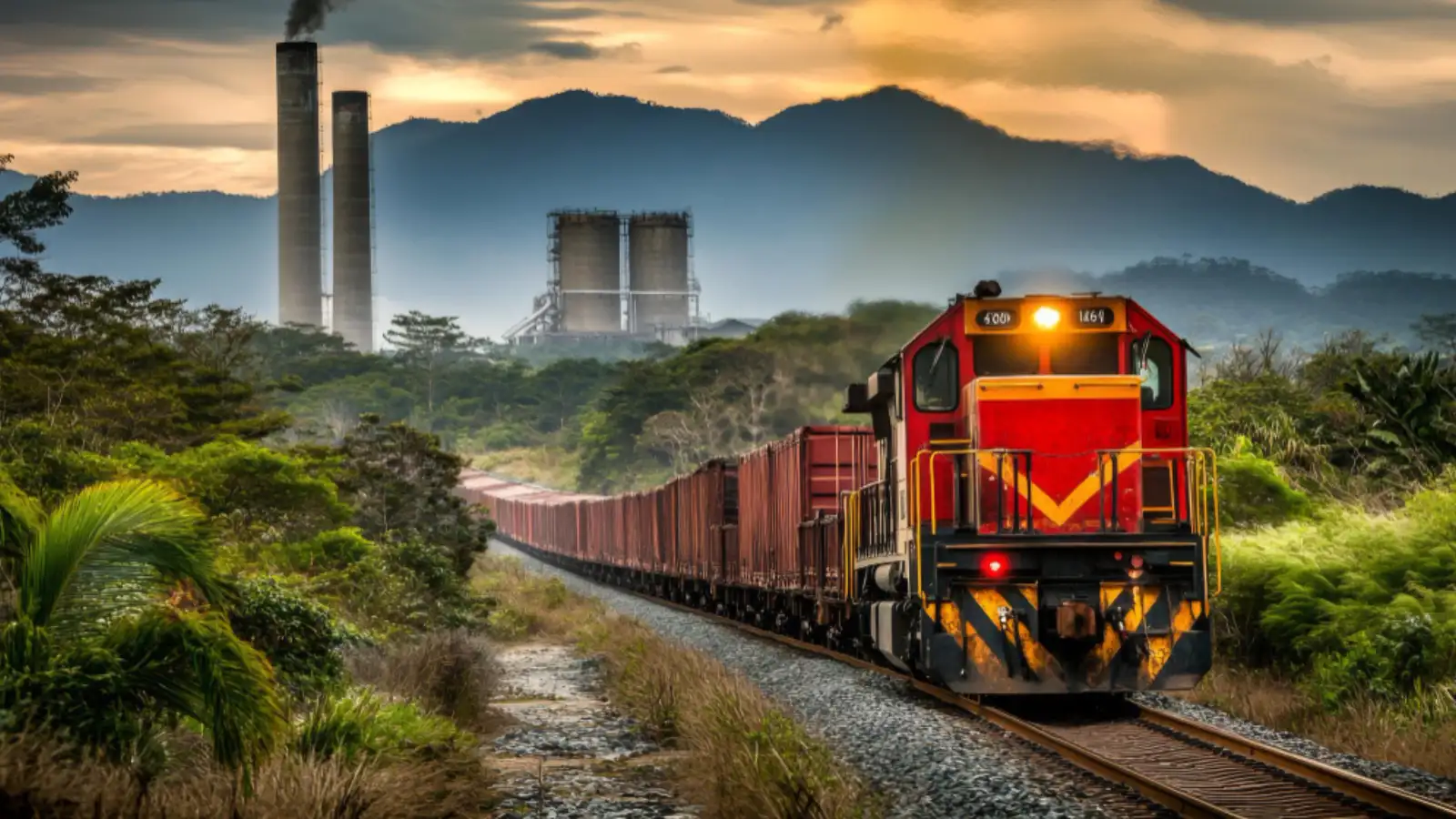
This enormous delay has since become widely known as one of the longest delays ever recorded for an Indian Railways train journey.
Railway insiders later suggested that if a wagon develops a technical problem, it may be taken off the active train and moved to a yard for repairs or storage. It appears that something similar could have happened to this wagon, causing it to remain out of circulation for years before it was finally delivered to its destination.
Such a long delay highlights how unpredictable freight transport can sometimes be and why efficient logistics are so important for businesses that depend on timely deliveries.
The story of the Visakhapatnam-to-Basti goods wagon remains one of the most unusual and extreme cases of delay in the history of Indian Railways, and it is often cited when people talk about long-distance rail logistics and punctuality challenges.
What Was the Delay About?
The goods wagon was carrying 1,316 bags of Di-ammonium Phosphate (DAP) fertiliser when it was loaded at Visakhapatnam on November 10, 2014. Normally, the distance of about 1,400 kilometres between Visakhapatnam and Basti would take around 42 hours and 13 minutes under regular rail operations. But this particular wagon did not arrive as expected. Instead, it eventually reached Basti railway station on July 25, 2018, after approximately 3 years, 8 months, and 7 days.This enormous delay has since become widely known as one of the longest delays ever recorded for an Indian Railways train journey.
What Happened During the Delay
When the goods wagon did not arrive on time, the consignee, Ramchandra Gupta, a businessman from Basti, began asking Indian Railways for an explanation. He had booked the wagon through Indian Potash Limited for his business, but as months passed, there were no clear answers from railway officials. Eventually, the wagon seemed to disappear from the normal tracking system, prompting concerns and complaints.Railway insiders later suggested that if a wagon develops a technical problem, it may be taken off the active train and moved to a yard for repairs or storage. It appears that something similar could have happened to this wagon, causing it to remain out of circulation for years before it was finally delivered to its destination.
Arrival and Aftermath
When the goods wagon finally reached Basti station in July 2018, railway staff and officials were reportedly taken by surprise. By the time the shipment arrived, the fertiliser was no longer usable because of the multi-year delay. This incident drew a lot of attention because it was far outside typical train lateness, setting a record for one of the most delayed train journeys in Indian Railways history.Such a long delay highlights how unpredictable freight transport can sometimes be and why efficient logistics are so important for businesses that depend on timely deliveries.
Understanding Train Delays in India
Train delays are a common experience for many travellers and goods shipments across India, especially during peak seasons, foggy winters, or heavy monsoon rains. Most passenger trains may face delays from minor technical issues or scheduling conflicts, but those delays typically last hours rather than years.The story of the Visakhapatnam-to-Basti goods wagon remains one of the most unusual and extreme cases of delay in the history of Indian Railways, and it is often cited when people talk about long-distance rail logistics and punctuality challenges.
Next Story