
Republic Day vs Independence Day: What Makes Them Different?

India marks two of its most cherished national holidays each year: Independence Day on August 15 and Republic Day on January 26. Both inspire pride, patriotism, and celebration, but they honour very different milestones in the nation’s journey. This year, India celebrates its 77th Republic Day, highlighting the enduring significance of these occasions.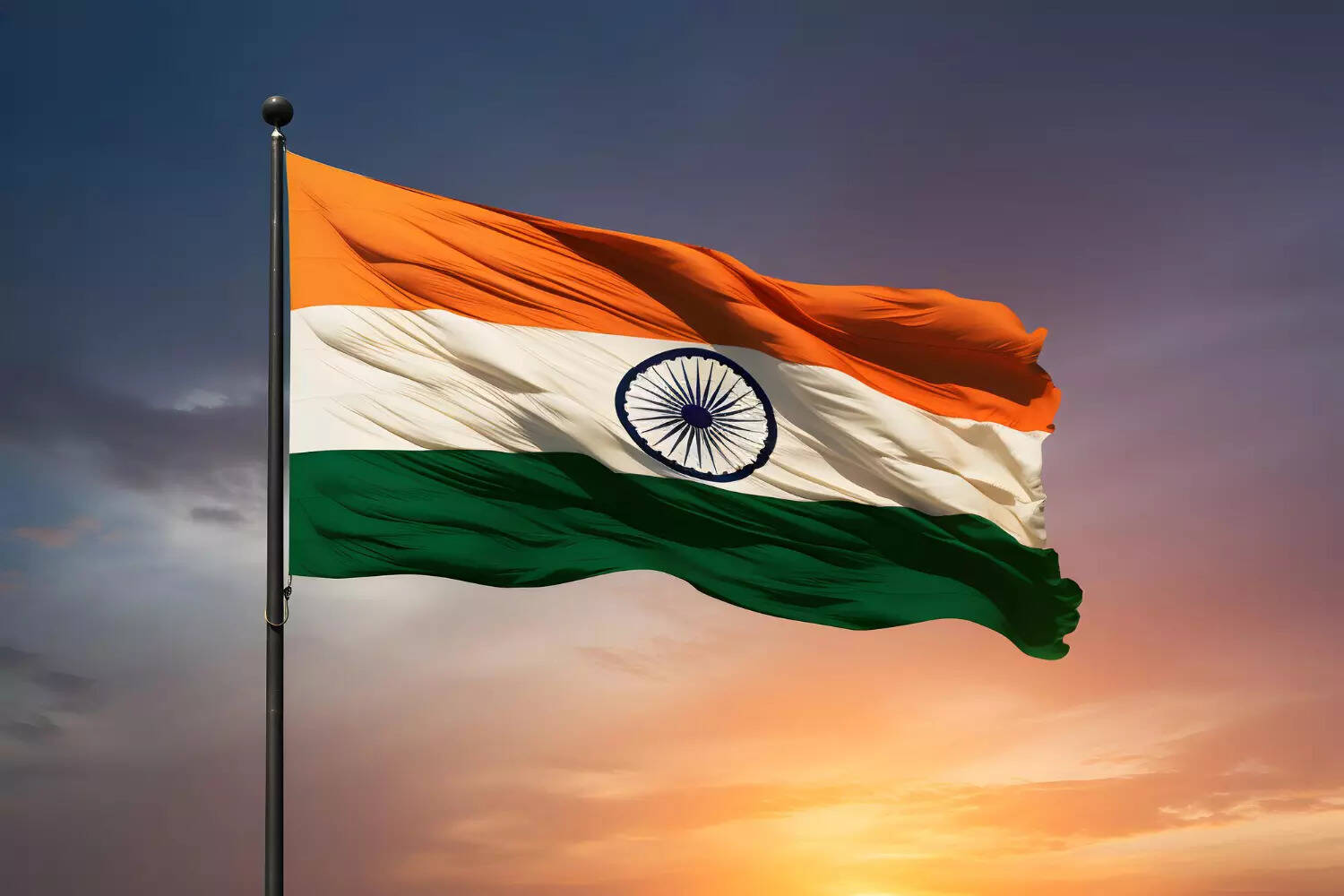
Republic Day, celebrated on January 26, marks the day in 1950 when India adopted its Constitution, officially becoming a sovereign, democratic republic. Until then, India was a dominion under the Government of India Act 1935. The Constitution, crafted under the guidance of Dr. B.R. Ambedkar, established the President as head of state, defined fundamental rights, directive principles, and set up India’s federal structure.
Republic Day, meanwhile, is famous for its grand parade at Kartavya Path, Delhi, ending at India Gate. The President hoists the flag and reviews marching contingents, state floats, cultural tableaux, and daring fly-pasts by the Army, Navy, and Air Force. Awards like the Padma Awards, Paramvir Chakra, Ashok Chakra, and Vir Chakra are presented to distinguished citizens and brave soldiers. Often, a foreign head of state attends as the chief guest, showcasing India’s international ties.
What’s the Difference?
Independence Day commemorates the moment India broke free from nearly 200 years of British rule in 1947. It honours the struggles and sacrifices of freedom fighters like Mahatma Gandhi, Jawaharlal Nehru, and countless others who fought for the nation’s liberty.Republic Day, celebrated on January 26, marks the day in 1950 when India adopted its Constitution, officially becoming a sovereign, democratic republic. Until then, India was a dominion under the Government of India Act 1935. The Constitution, crafted under the guidance of Dr. B.R. Ambedkar, established the President as head of state, defined fundamental rights, directive principles, and set up India’s federal structure.
How Are They Celebrated?
Independence Day is all about patriotic spirit. In Delhi, the Prime Minister hoists the national flag at Red Fort, delivers a speech on progress and unity, followed by a 21-gun salute, cultural performances, and the national anthem. Across the country, citizens hoist flags at homes, schools, and offices, fly kites, organise parades, and participate in community events. The day evokes deep reflection on freedom and sacrifice. The President addresses the nation a day prior, setting the tone for celebrations.Republic Day, meanwhile, is famous for its grand parade at Kartavya Path, Delhi, ending at India Gate. The President hoists the flag and reviews marching contingents, state floats, cultural tableaux, and daring fly-pasts by the Army, Navy, and Air Force. Awards like the Padma Awards, Paramvir Chakra, Ashok Chakra, and Vir Chakra are presented to distinguished citizens and brave soldiers. Often, a foreign head of state attends as the chief guest, showcasing India’s international ties.
Why Both Matter
While Independence Day celebrates the hard-won freedom from foreign rule, Republic Day honours the framework that makes India a true democratic nation. Together, they remind every Indian of the country’s journey, sacrifices, and the responsibilities that come with freedom.Next Story