
Revised Toll Charges Kick In Today: Are Highway Users Paying Extra or Saving Money?

Frequent travellers on National Highways have reason to welcome a major cost relief. Toll charges across several highway stretches have been revised downward from 15 February following amendments to existing fee regulations. The move targets expressways and access controlled corridors that are not yet fully operational end to end. By linking toll collection more closely to actual usage, the revised structure aims to reduce financial burden on motorists while improving road usage efficiency. The change is expected to benefit daily commuters, logistics operators, and long distance travellers alike.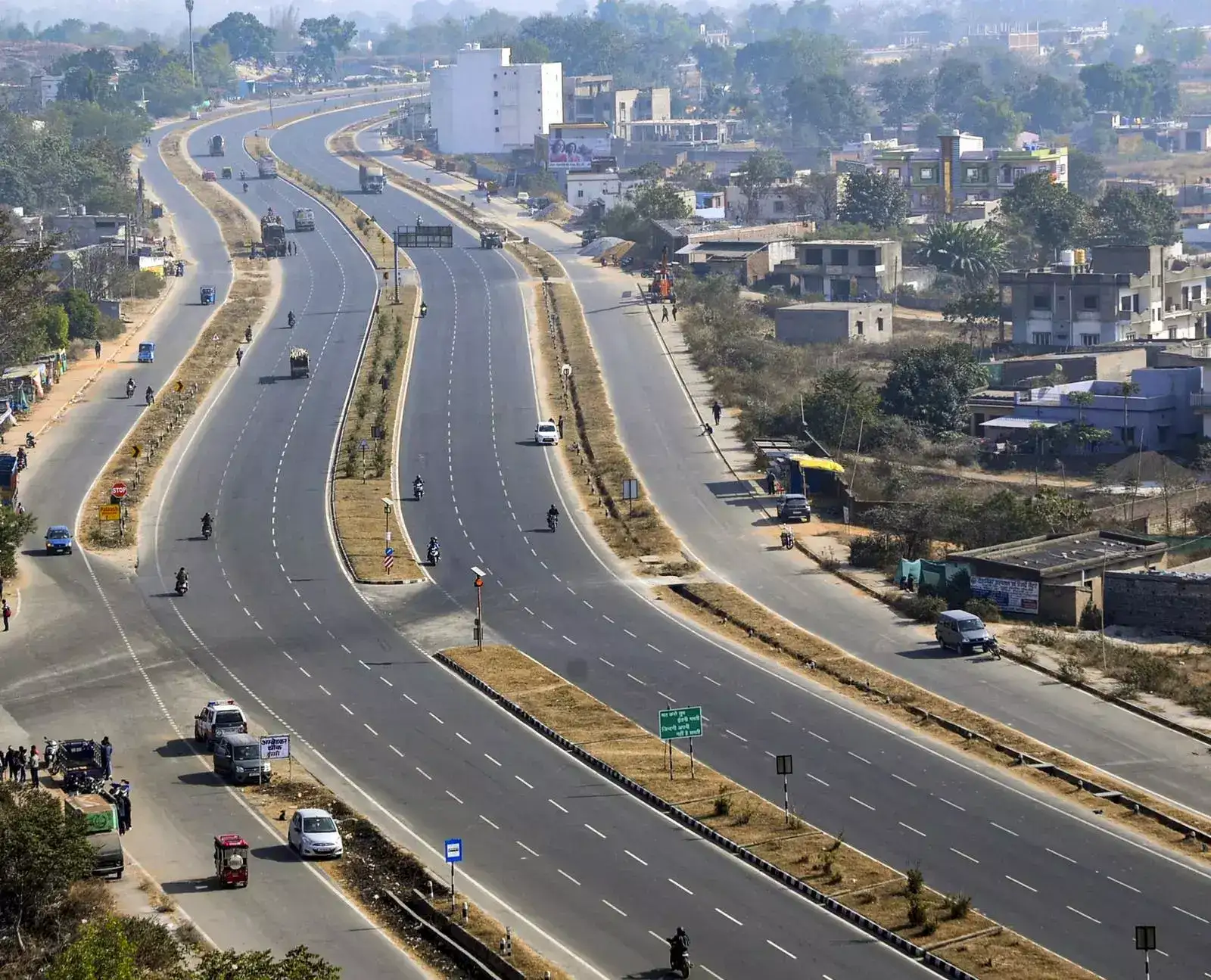
Access controlled highways typically command tolls nearly 25 percent higher than standard National Highway stretches due to faster travel, controlled entry points, and improved infrastructure. However, this pricing model created dissatisfaction when incomplete expressways charged full or elevated tolls.
The amended rules now address this gap by recalibrating toll fees for stretches that are not fully accessible from start to end.
This ensures fairness in pricing, especially on newly developed corridors where construction remains ongoing. For example, travellers entering a partially opened expressway will only pay for the functional segment rather than the full planned route length.
The distance based toll system is expected to deliver immediate savings for personal vehicle users as well as commercial transport operators.
This redistribution of traffic can ease congestion on older highway routes that often face heavy vehicular load. Reduced congestion improves travel time reliability and enhances fuel efficiency for commuters.
Better traffic flow also supports smoother long haul cargo movement, strengthening supply chain efficiency across regions.
Logistics companies stand to gain from reduced operational costs, potentially translating into more competitive goods pricing. For daily commuters, consistent toll savings can add up to substantial monthly financial relief.
Environmental benefits are also anticipated. Reduced congestion on legacy highways lowers idle emissions, contributing to improved air quality along busy transport corridors.
The policy revision follows amendments to earlier highway fee regulations governing toll collection mechanisms. Operational clarity has been issued to ensure uniform implementation across toll plazas managing affected corridors.
With the rule now in force, commuters are expected to witness immediate cost differences during their highway journeys.
By lowering toll tax on incomplete expressways, the revised policy directly reduces out of pocket travel costs. The move also strengthens public acceptance of toll based infrastructure funding by aligning charges more closely with actual service delivery.
As highway expansion continues across India, adaptive toll frameworks such as this are expected to play a key role in balancing infrastructure financing with commuter affordability.
Revised Toll Structure Comes Into Effect
Under the updated framework, toll charges on partially operational expressways have been reduced significantly. Earlier, commuters were often required to pay higher expressway rates even if only certain sections of the corridor were open for travel.Access controlled highways typically command tolls nearly 25 percent higher than standard National Highway stretches due to faster travel, controlled entry points, and improved infrastructure. However, this pricing model created dissatisfaction when incomplete expressways charged full or elevated tolls.
The amended rules now address this gap by recalibrating toll fees for stretches that are not fully accessible from start to end.
Distance Based Charging To Benefit Motorists
One of the most commuter friendly aspects of the reform is the shift towards distance linked tolling on incomplete expressways. Instead of paying for the entire corridor, motorists will now be charged proportionately for the operational stretch they actually use.This ensures fairness in pricing, especially on newly developed corridors where construction remains ongoing. For example, travellers entering a partially opened expressway will only pay for the functional segment rather than the full planned route length.
The distance based toll system is expected to deliver immediate savings for personal vehicle users as well as commercial transport operators.
Policy Aim Focused On Traffic Distribution
The toll revision is not only a financial relief measure but also a traffic management strategy. By lowering user costs on open expressway sections, authorities aim to encourage more vehicles to shift towards these faster corridors.This redistribution of traffic can ease congestion on older highway routes that often face heavy vehicular load. Reduced congestion improves travel time reliability and enhances fuel efficiency for commuters.
Better traffic flow also supports smoother long haul cargo movement, strengthening supply chain efficiency across regions.
Economic And Environmental Advantages
Lower toll costs may appear revenue reducing at first glance, but the broader economic implications remain positive. Increased expressway usage can stimulate fuel sales, roadside commerce, and freight mobility.Logistics companies stand to gain from reduced operational costs, potentially translating into more competitive goods pricing. For daily commuters, consistent toll savings can add up to substantial monthly financial relief.
Environmental benefits are also anticipated. Reduced congestion on legacy highways lowers idle emissions, contributing to improved air quality along busy transport corridors.
Implementation From February 15
The revised toll framework has been implemented nationwide from 15 February. Motorists using partially open expressways from this date onward will automatically experience the reduced fee structure.The policy revision follows amendments to earlier highway fee regulations governing toll collection mechanisms. Operational clarity has been issued to ensure uniform implementation across toll plazas managing affected corridors.
With the rule now in force, commuters are expected to witness immediate cost differences during their highway journeys.
Relief For Daily Highway Users
Regular highway travellers, particularly office commuters and intercity drivers, are likely to benefit the most. Frequent toll payments often constitute a major portion of recurring travel expenses.By lowering toll tax on incomplete expressways, the revised policy directly reduces out of pocket travel costs. The move also strengthens public acceptance of toll based infrastructure funding by aligning charges more closely with actual service delivery.
As highway expansion continues across India, adaptive toll frameworks such as this are expected to play a key role in balancing infrastructure financing with commuter affordability.
Next Story