
Rupali Chakankar resignation: Controversy, political fallout and what lies ahead

Rupali Chakankar is a prominent leader from the Nationalist Congress Party(NCP) and is associated with the Ajit Pawar faction in Maharashtra politics . She has held two influential roles, including Chairperson of the Maharashtra State Women’s commission and president of NCP’s women wing. Known for her strong political presence and advocacy for women’s rights, she has built a strong public profile in the state.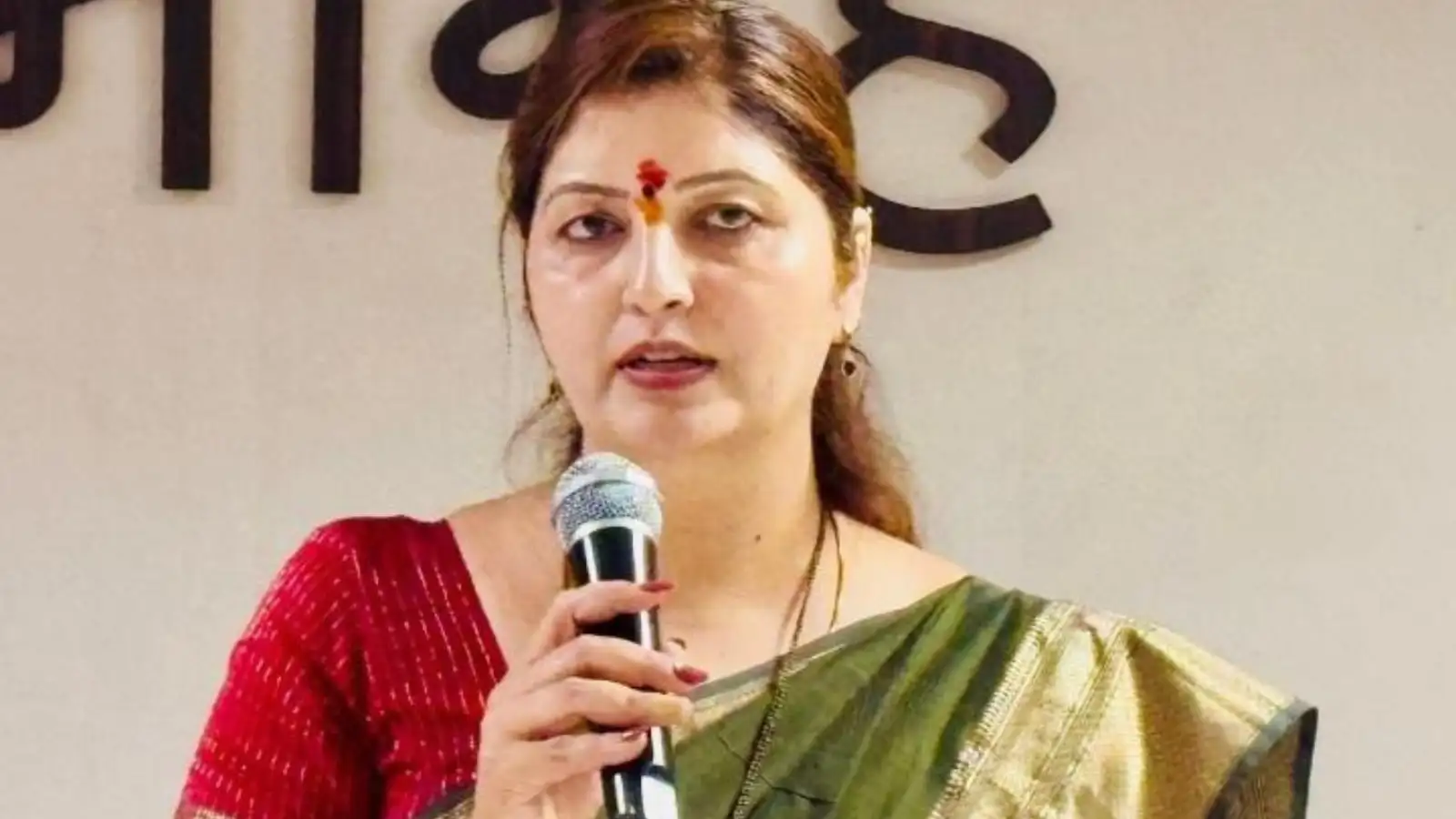
However, recent developments have placed Rupali Chakankar at the centre of a major controversy, leading to her abrupt resignation and sparking a wider political storm.
The controversy revolves around an astrologer Ashok Kharat, who has been arrested in connection with serious allegations, including sexual assault. Reports suggest that she had a close relationship with him, said to share a mentor-mentee relationship.
As the case gained traction, questions were raised about her proximity to the astrologer and whether her position influenced the handling of complaints. Given that her role was to safeguard women’s rights, the optics of the situation triggered sharp criticism.
Amid mounting backlash, Chakankar resigned from her position as Chairperson of the Maharashtra State Women’s Commission. Soon after, she also stepped down from the state president of the NCP women’s wing.
Sources indicate that her resignation was influenced not just by public outrage but by political pressure as well. Maharashtra Chief Minister Devendra Fadnavis reportedly advised action in the matter, emphasizing accountability in sensitive positions.
The resignation is being seen as an attempt to contain political damage and restore credibility in institutions dealing with women’s safety.
Opposition parties have been vocal, accusing Chakankar of failing to act in the interests of victims. They have also accused her of shielding the accused and compromising the integrity of her office. Several leaders demanded a Special Investigation Team (SIT) probe and called for a deeper investigation of her role in the controversy. The issue has quickly escalated into a larger debate on accountability.
The controversy has also exposed cracks within the NCP, particularly the Ajit Pawar faction. The party, already navigating internal challenges after the split, now faces reputational damage. Critics argue that the episode reflects lapses in judgment and internal oversight, which can weaken public trust.
Legal angle
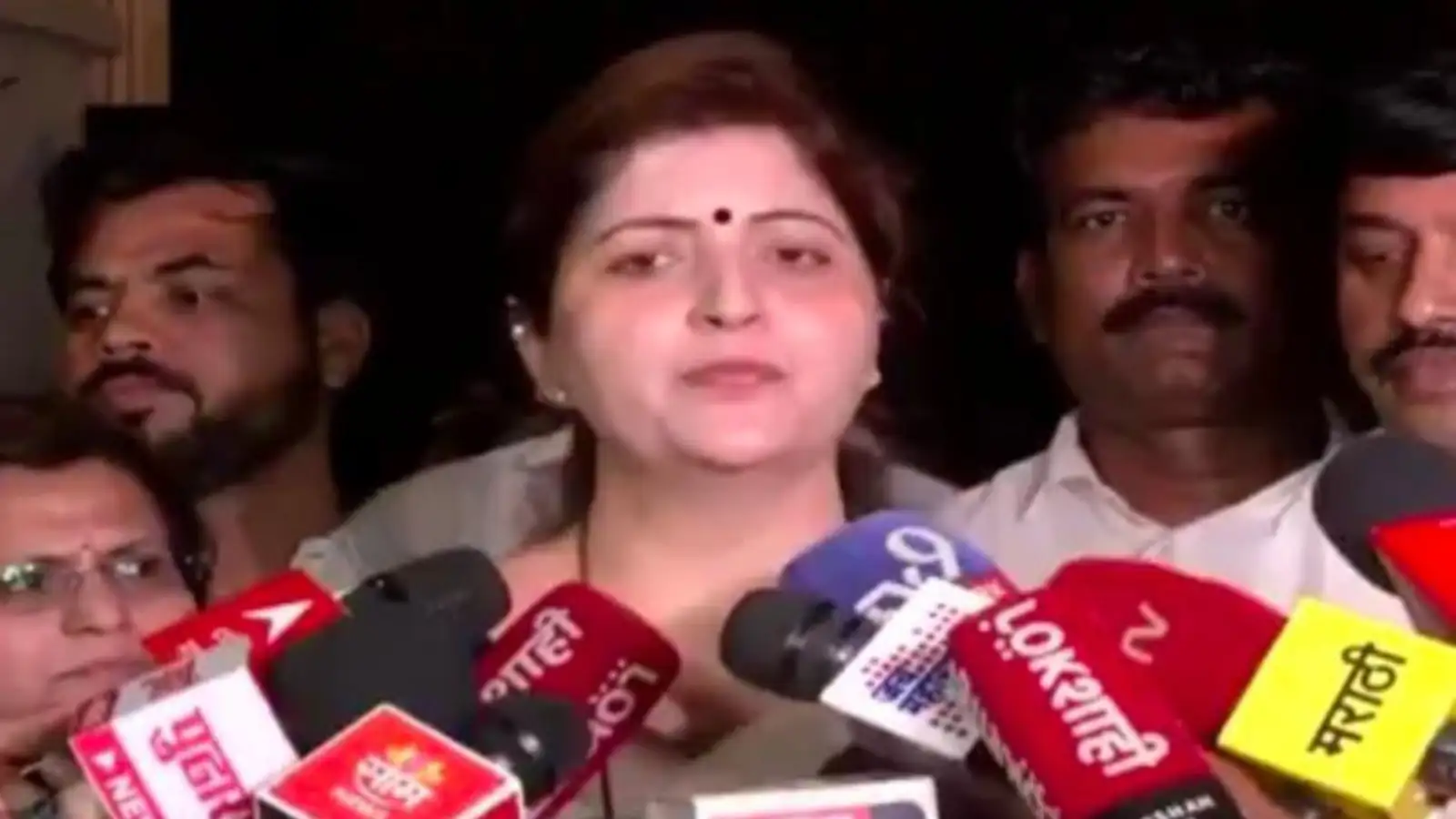
While Rupali Chakankar has denied wrongdoings, reports suggest she may be questioned as part of the ongoing investigation. At this stage, no formal charges have been filed against her but scrutiny remains high.
Legal experts point out that mere association does not imply culpability. However, given her official position at the time, the standards of accountability are significantly higher.
The Chakankar episode highlights a broader issue of how public officials are held accountable in cases involving sensitive allegations. It also underscores the political consequences of perceived ethical lapses
However, recent developments have placed Rupali Chakankar at the centre of a major controversy, leading to her abrupt resignation and sparking a wider political storm.
The trigger
The controversy revolves around an astrologer Ashok Kharat, who has been arrested in connection with serious allegations, including sexual assault. Reports suggest that she had a close relationship with him, said to share a mentor-mentee relationship.
As the case gained traction, questions were raised about her proximity to the astrologer and whether her position influenced the handling of complaints. Given that her role was to safeguard women’s rights, the optics of the situation triggered sharp criticism.
Resignation under pressure
Amid mounting backlash, Chakankar resigned from her position as Chairperson of the Maharashtra State Women’s Commission. Soon after, she also stepped down from the state president of the NCP women’s wing.
Sources indicate that her resignation was influenced not just by public outrage but by political pressure as well. Maharashtra Chief Minister Devendra Fadnavis reportedly advised action in the matter, emphasizing accountability in sensitive positions.
The resignation is being seen as an attempt to contain political damage and restore credibility in institutions dealing with women’s safety.
Opposition reaction
Opposition parties have been vocal, accusing Chakankar of failing to act in the interests of victims. They have also accused her of shielding the accused and compromising the integrity of her office. Several leaders demanded a Special Investigation Team (SIT) probe and called for a deeper investigation of her role in the controversy. The issue has quickly escalated into a larger debate on accountability.
Political Fallout for NCP
The controversy has also exposed cracks within the NCP, particularly the Ajit Pawar faction. The party, already navigating internal challenges after the split, now faces reputational damage. Critics argue that the episode reflects lapses in judgment and internal oversight, which can weaken public trust.
Legal angle
While Rupali Chakankar has denied wrongdoings, reports suggest she may be questioned as part of the ongoing investigation. At this stage, no formal charges have been filed against her but scrutiny remains high.
Legal experts point out that mere association does not imply culpability. However, given her official position at the time, the standards of accountability are significantly higher.
The Chakankar episode highlights a broader issue of how public officials are held accountable in cases involving sensitive allegations. It also underscores the political consequences of perceived ethical lapses
Next Story