
The Amazing Technology Behind Rupee Notes: Surprising Facts About Your Money

Currency notes are more than just a medium of exchange; they embody technological brilliance and historical evolution. Indian rupee notes , crafted with precision and innovation, tell a story that blends durability, security, and legacy.
Cotton-Based Durability: More Than Meets the Eye
Unlike ordinary paper, Indian banknotes are made entirely from cotton. This material makes them stronger and more durable, allowing them to withstand the rigors of daily use. The unique composition ensures that the notes stay intact for years, even after frequent handling.
A Historical Shift in Design
Post-independence, India’s currency underwent significant transformation. In 1969, marking Mahatma Gandhi's 100th birth anniversary, Indian coins bearing British King George's image were replaced, heralding a new era in Indian currency design.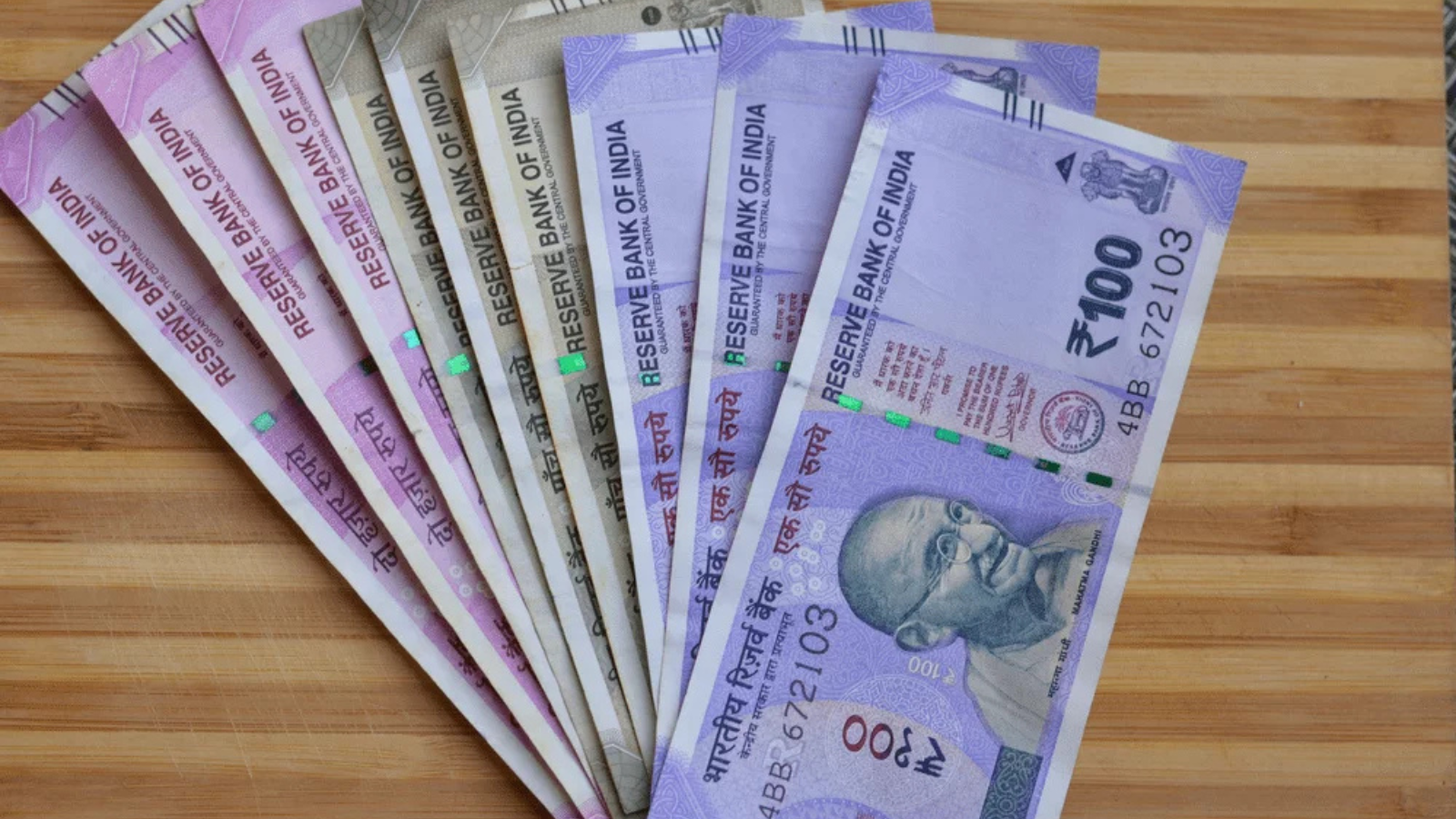
# Advanced Security Features: Authenticity at a Glance
Indian rupee notes are equipped with cutting-edge security measures to deter counterfeiting:
The Role of the RBI: Custodian of Currency
The Reserve Bank of India is the sole authority for issuing currency notes under Section 22 of the RBI Act. Its Central Board decides the design and security features, while the central government finalizes the issuance in consultation with key stakeholders.
Indian rupee notes are a marvel of engineering and history, blending tradition with modernity to ensure reliability, durability, and trust. Every note in your pocket carries a legacy and cutting-edge innovation worth appreciating.
Cotton-Based Durability: More Than Meets the Eye
Unlike ordinary paper, Indian banknotes are made entirely from cotton. This material makes them stronger and more durable, allowing them to withstand the rigors of daily use. The unique composition ensures that the notes stay intact for years, even after frequent handling.
A Historical Shift in Design
Post-independence, India’s currency underwent significant transformation. In 1969, marking Mahatma Gandhi's 100th birth anniversary, Indian coins bearing British King George's image were replaced, heralding a new era in Indian currency design.
# Advanced Security Features: Authenticity at a Glance
Indian rupee notes are equipped with cutting-edge security measures to deter counterfeiting:
You may also like
- "Becoming a voter is an occasion of celebration," says PM Modi on National Voters' Day; pens letter to MY-Bharat volunteers
 'Will resist Hindi imposition forever': CM Stalin on TN Language Martyrs' Day
 "India's culture and philosophy can provide right direction to the world": Union Minister Shivraj Singh Chouhan
 Foreign ownership of S. Korean stocks reaches highest in nearly 6 years
 No place for Hindi in Tamil Nadu then, now and forever: Stalin
- Security Thread: A silver-colored thread with the Reserve Bank of India (RBI) emblem runs through each note, serving as a quick authenticity check.
- Watermarks: Mahatma Gandhi’s portrait and electrotype watermarks become visible when the note is held against light.
- Microtext and Color-Changing Numbers: Tiny inscriptions and color-shifting numerals add layers of security. Tilt the note, and the numbers transition from green to blue, an innovative feature that enhances protection.
The Role of the RBI: Custodian of Currency
The Reserve Bank of India is the sole authority for issuing currency notes under Section 22 of the RBI Act. Its Central Board decides the design and security features, while the central government finalizes the issuance in consultation with key stakeholders.
Indian rupee notes are a marvel of engineering and history, blending tradition with modernity to ensure reliability, durability, and trust. Every note in your pocket carries a legacy and cutting-edge innovation worth appreciating.






More from our partners


Loving Newspoint? Download the app now
