
Traffic Rules 2026: Scooter & Bike Riders May Face ₹25,000 Fine For This Slip

Riding a bike or scooter without understanding traffic laws can now lead to severe financial and legal consequences. Under stricter provisions of the Motor Vehicles Act, a single mistake involving underage riding can attract a hefty fine of Rs 25,000. With rising road accidents involving minors, enforcement agencies have tightened checks across cities. Two-wheeler owners and guardians must clearly understand these rules to avoid penalties, vehicle seizure and possible legal action.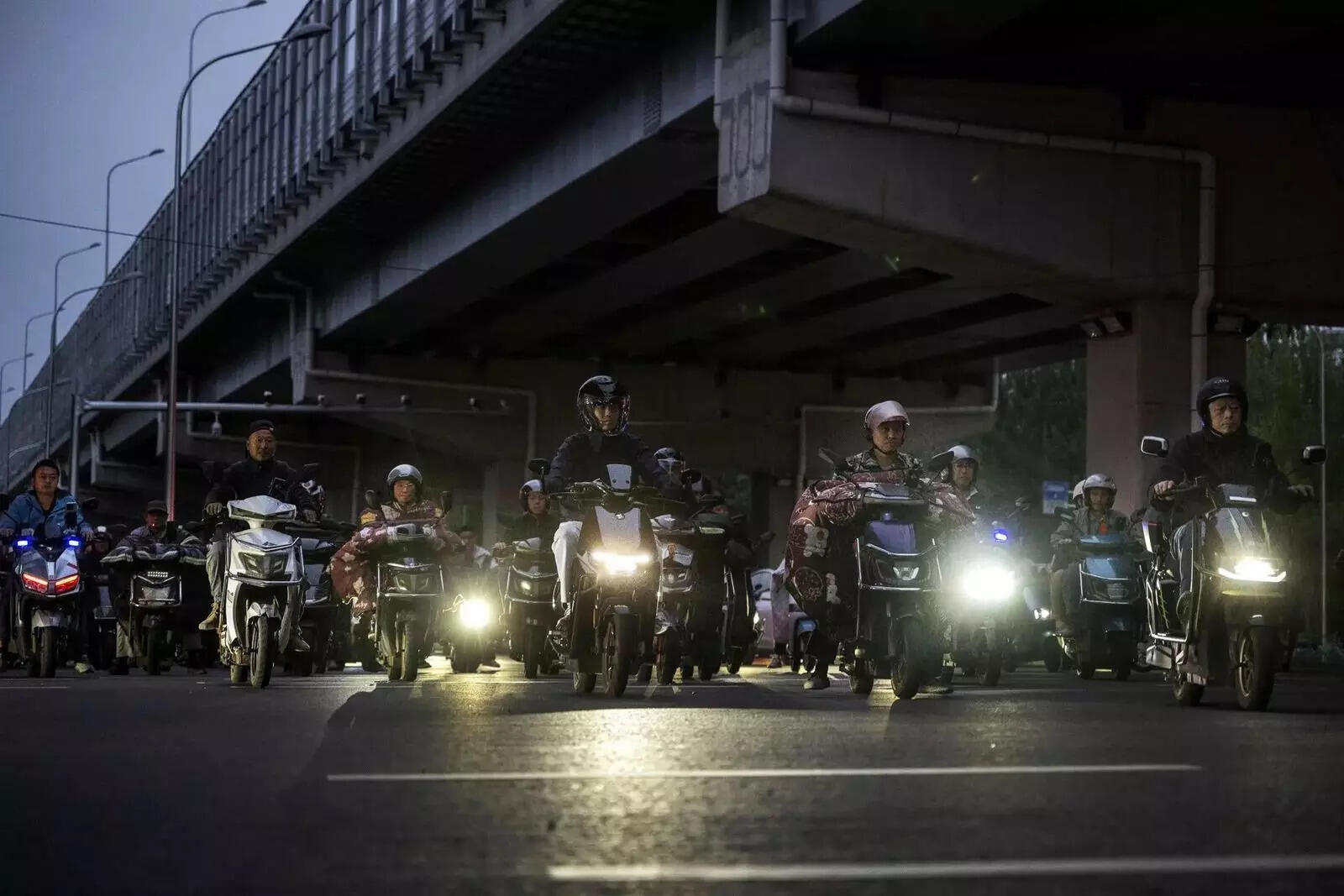
Authorities have observed that many violations occur due to lack of awareness rather than intent. However, enforcement agencies now follow a zero-tolerance approach, especially in cases involving minors and two-wheelers.
The rule is designed not only to penalise but also to act as a deterrent. Two-wheelers are often considered easy to handle, which leads some guardians to underestimate the risks involved when minors ride them.
While learners’ licences are available under specific conditions, they do not permit unsupervised riding by minors on public roads. Allowing a child below the legal age to ride a two-wheeler directly violates the Motor Vehicles Act.
This provision ensures that responsibility does not rest solely on the minor. Guardians are expected to prevent underage driving and ensure vehicles are not accessible to children.
If a minor causes an accident while riding, the consequences become even more serious. Legal proceedings may be initiated, and guardians can face further action, including imprisonment under applicable provisions.
Police departments across states have intensified checks near schools, residential areas and busy junctions. Spot checks, CCTV monitoring and local enforcement drives aim to identify violations early and prevent tragic outcomes.
A challan is issued in the guardian’s name, and further action is taken depending on whether an accident has occurred. This approach reinforces accountability at the household level.
Understanding traffic laws is no longer optional. With higher fines and stricter monitoring, compliance is the only way to avoid financial loss and legal trouble.
Ultimately, responsible riding and adherence to age and licence rules benefit not just individual families but society as a whole.
Strict Traffic Rules Apply To All Two-Wheeler Riders
India’s traffic regulations apply uniformly to all vehicles, including bikes and scooters. Every rider is expected to follow the Motor Vehicles Act, which outlines licensing requirements, age eligibility and safety responsibilities. Ignorance of these rules does not offer protection from penalties. Over the years, amendments to the Act have significantly increased fines to discourage risky behaviour and improve road safety.Authorities have observed that many violations occur due to lack of awareness rather than intent. However, enforcement agencies now follow a zero-tolerance approach, especially in cases involving minors and two-wheelers.
Why A Rs 25,000 Fine Is Being Imposed
One of the strictest penalties under the Motor Vehicles Act relates to underage driving. If a minor is found riding a bike or scooter on public roads, it is treated as a serious offence. In such cases, a fine of Rs 25,000 can be imposed, reflecting the government’s intent to curb unsafe driving practices among minors.The rule is designed not only to penalise but also to act as a deterrent. Two-wheelers are often considered easy to handle, which leads some guardians to underestimate the risks involved when minors ride them.
Age And Licence Rules For Two-Wheeler Riding
As per Indian law, a permanent driving licence can only be issued to individuals aged 18 years or above. This rule applies equally to two-wheelers and four-wheelers. Riding without a valid licence is a punishable offence, regardless of whether the vehicle is a scooter, motorcycle or car.While learners’ licences are available under specific conditions, they do not permit unsupervised riding by minors on public roads. Allowing a child below the legal age to ride a two-wheeler directly violates the Motor Vehicles Act.
Guardian Held Responsible For Minor’s Violation
A major change under Section 199A of the Motor Vehicles Act places accountability on guardians or vehicle owners. If a minor is caught riding a bike or scooter, the guardian is held legally responsible. The penalty includes a fine of Rs 25,000 and additional legal consequences.This provision ensures that responsibility does not rest solely on the minor. Guardians are expected to prevent underage driving and ensure vehicles are not accessible to children.
Vehicle Seizure And Legal Action
In addition to the monetary penalty, authorities have the power to seize the vehicle involved in the violation. The two-wheeler may remain impounded until legal formalities are completed. In some cases, registration-related action may also be initiated depending on the severity of the offence.If a minor causes an accident while riding, the consequences become even more serious. Legal proceedings may be initiated, and guardians can face further action, including imprisonment under applicable provisions.
Rising Accidents Prompt Tighter Enforcement
Recent years have seen an increase in road accidents involving minors riding two-wheelers. Many of these incidents have resulted in serious injuries or fatalities, prompting traffic authorities to adopt stricter enforcement measures.Police departments across states have intensified checks near schools, residential areas and busy junctions. Spot checks, CCTV monitoring and local enforcement drives aim to identify violations early and prevent tragic outcomes.
Traffic Police Protocol In Such Cases
When a minor is caught riding a bike or scooter, traffic police follow a defined procedure. The vehicle is stopped, and the minor’s age is verified. The guardian is then contacted and summoned to the police station or traffic office.A challan is issued in the guardian’s name, and further action is taken depending on whether an accident has occurred. This approach reinforces accountability at the household level.
What Two-Wheeler Owners Should Do
Two-wheeler owners must ensure their vehicles are used responsibly. Keys should not be accessible to minors, and clear boundaries should be set at home. Guardians should also educate children about road safety and legal restrictions rather than allowing casual riding.Understanding traffic laws is no longer optional. With higher fines and stricter monitoring, compliance is the only way to avoid financial loss and legal trouble.
Road Safety Is The Real Objective
While the fine of Rs 25,000 may seem harsh, the intent behind the rule is to protect lives. Two-wheelers offer little physical protection, making underage riding especially dangerous. Strict penalties aim to change behaviour, reduce accidents and make roads safer for everyone.Ultimately, responsible riding and adherence to age and licence rules benefit not just individual families but society as a whole.
Next Story