Train Ticket Prices Go Up From Today, Know The Additional Cost

Indian Railways has implemented a marginal fare increase for passenger train services starting 26 December 2025, affecting long-distance and premium travel while keeping essential commuting affordable. The fare revision is described by the railway ministry as a rationalisation measure, intended to balance operational costs with passenger affordability. Short-distance travellers and suburban commuters have been largely exempted, ensuring that daily travel remains economical.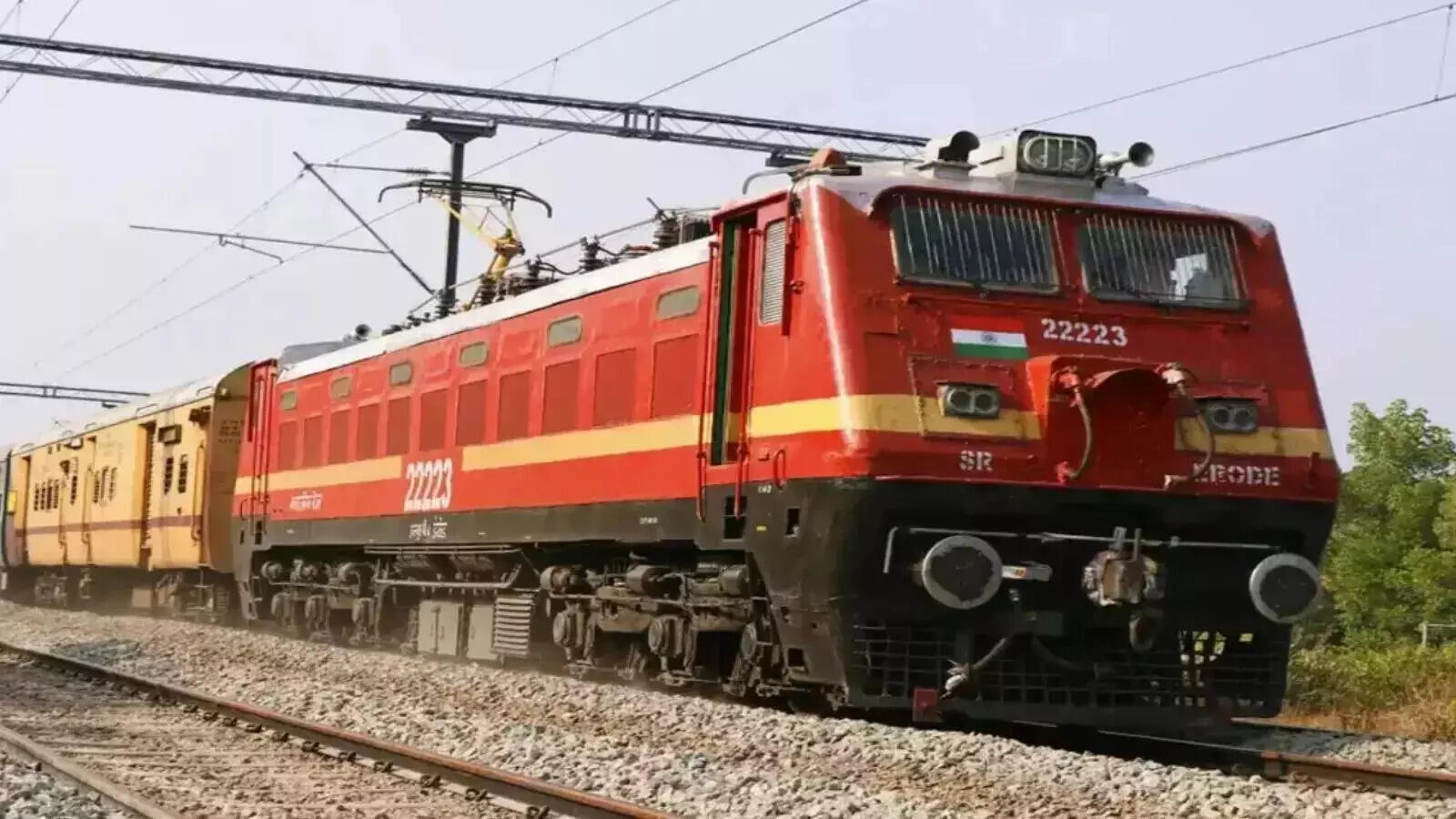
The gradual increase ensures that longer journeys are only modestly affected while maintaining affordability for most passengers. Daily commuters, office-goers, and students will see no change in fares for short-distance travel, suburban trains, or Monthly Season Tickets (MSTs).
This tiered approach ensures that the fare hike is equitable, only affecting longer-distance travellers while protecting short-distance and suburban passengers.
Indian Railways emphasises that reservation fees, superfast charges, and GST rules remain unchanged. The fare revision represents a careful balance between meeting rising operational costs and ensuring passenger convenience and affordability.
What The Fare Hike Means For Passengers
Under the new structure, ordinary non-AC journeys beyond 215 km will see a nominal increase of 1 paise per kilometre. Mail and Express services, including both non-AC and AC coaches, will experience a slightly higher increase of 2 paise per kilometre. For instance, a 500 km non-AC Mail or Express journey will now cost approximately ₹10 more than before. AC classes, including AC Chair Car, AC 3-tier, AC 2-tier, and First AC, will also follow the 2 paise per kilometre hike.The gradual increase ensures that longer journeys are only modestly affected while maintaining affordability for most passengers. Daily commuters, office-goers, and students will see no change in fares for short-distance travel, suburban trains, or Monthly Season Tickets (MSTs).
You may also like
 Bhagyashree bids goodbye to 2025 with a soulful spiritual journey in Banaras
- BJP breaks new ground in Kerala: VV Rajesh elected Thiruvananthapuram Mayor
- Tripura Assembly Speaker & four-time MLA Biswa Bandhu Sen passes away
- Kerala local body polls: Three women take charge as Mayors; Pala elects youngest woman chairperson
- Coal India appoints CMD B. Sairam as chief executive officer
Slab-Wise Impact On Ordinary Second-Class Travel
To provide transparency, Indian Railways has outlined the fare revision in a slab-wise manner for ordinary second-class passengers:| Distance Travelled | Fare Increase (₹) |
| 0–215 km | 0 |
| 216–750 km | 5 |
| 751–1,250 km | 10 |
| 1,251–1,750 km | 15 |
| 1,751–2,250 km | 20 |
This tiered approach ensures that the fare hike is equitable, only affecting longer-distance travellers while protecting short-distance and suburban passengers.
Applicability And Booking Guidelines
The revised fares are applicable only for tickets booked on or after 26 December 2025. Passengers who booked tickets prior to this date will not be charged the increased fares, even if their journey is scheduled for a later date. Major train services including Rajdhani, Shatabdi, Duronto, Vande Bharat, Tejas, Humsafar, Antyodaya, Garib Rath, Jan Shatabdi, Yuva Express, and ordinary non-suburban services will follow the revised rates, with AC MEMU and DEMU trains being exceptions where applicable.Indian Railways emphasises that reservation fees, superfast charges, and GST rules remain unchanged. The fare revision represents a careful balance between meeting rising operational costs and ensuring passenger convenience and affordability.
Passenger Assurance And Convenience
With this rationalisation, the railway ministry aims to sustain operational efficiency while providing safe, reliable, and affordable travel for millions across India. Passengers are encouraged to plan their travel accordingly, noting that short-distance journeys and commuter tickets remain unaffected.





More from our partners


Loving Newspoint? Download the app now
