VB–G RAM G Bill 2025: All You Need To Know About The New Law Replacing MNREGA

The Centre is preparing to replace the landmark Mahatma Gandhi National Rural Employment Guarantee Act (MGNREGA), 2005, with a new scheme called the Viksit Bharat, Guarantee for Rozgar and Ajeevika Mission (Gramin) (VB–G RAM G) Bill 2025.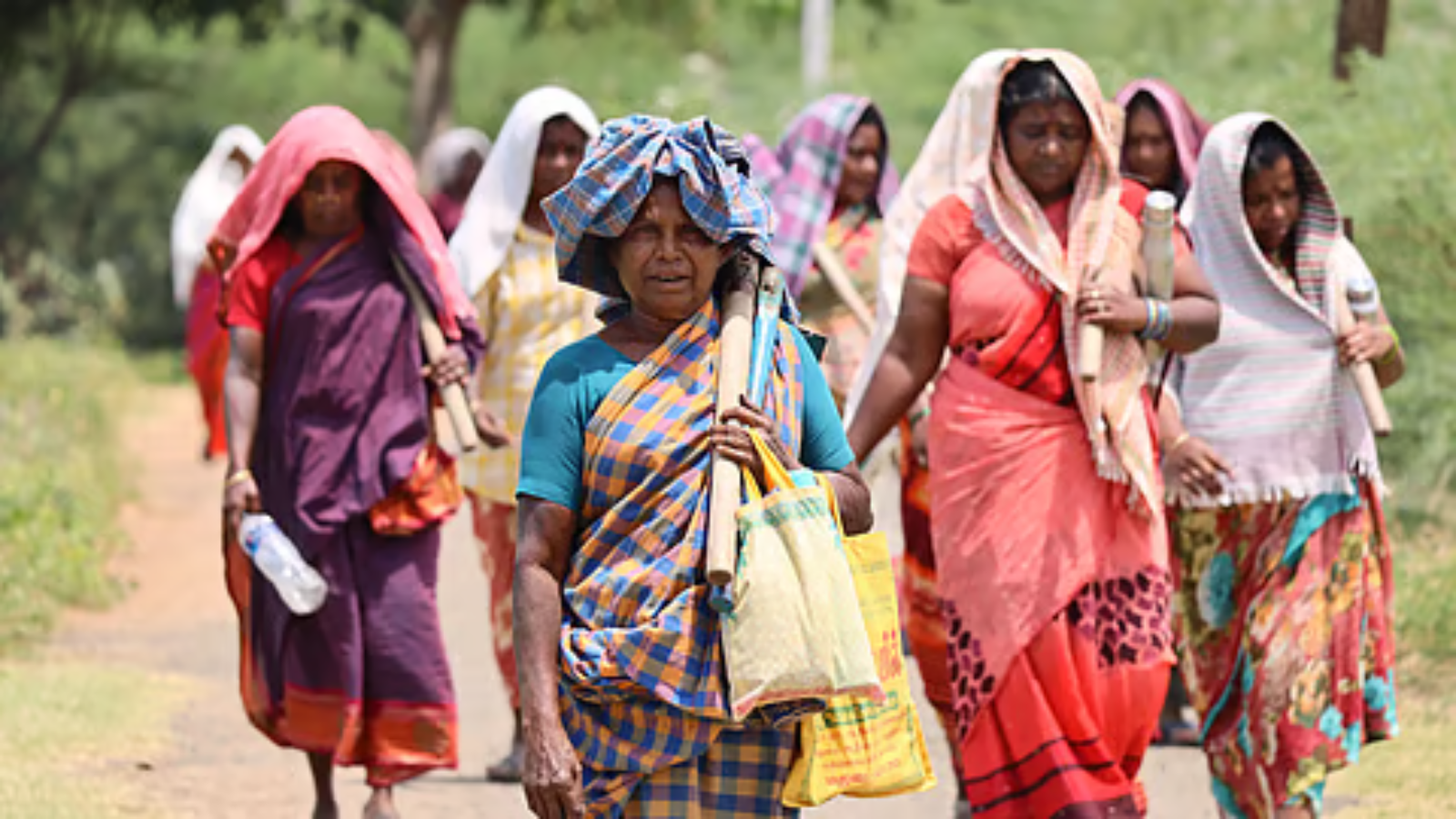
MNREGA has been a cornerstone of rural welfare in India, guaranteeing at least 100 days of paid work per year to rural households. Introduced in 2005 by the then Manmohan Singh government, the scheme aimed to strengthen livelihoods, boost social inclusion, and empower local governance through Panchayati Raj Institutions. In 2025–26, the Centre allocated Rs 86,000 crore to the scheme, the highest ever in its two-decade history.
The new bill, listed in the Lok Sabha’s supplementary business for the Winter Session of Parliament, intends to align rural employment with the ‘Viksit Bharat 2047’ plan. Key updates include:
Rural Development Minister Shivraj Singh Chouhan highlighted that VB–G RAM G will reduce leakage, enable better planning, and align work with farming cycles. The new scheme aims to promote “empowerment, growth, convergence, and saturation for a prosperous and resilient rural Bharat”, going beyond the original MNREGA goal of livelihood security.
Opposition Concerns
The opposition has voiced strong objections to the bill. West Bengal Chief Minister Mamata Banerjee criticised the central government for introducing new norms and vowed to run the state’s own scheme. Priyanka Gandhi Vadra questioned the removal of Mahatma Gandhi’s name from the scheme, calling it disrespectful to his legacy. Congress MP Tariq Anwar and Trinamool leader Derek O’Brien echoed similar concerns, arguing that the essence of MGNREGA is being undermined.
RJD leader Manoj Jha and Congress president Mallikarjun Kharge also criticised the changes, pointing out that capping MNREGA spending at 60% for the first six months of 2025–26 is a “crime against the Constitution” as it affects the Right to Work for rural households.
The VB–G RAM G Bill 2025 marks a major shift in rural employment policy, promising more structured, phased work and enhanced state participation but it has sparked controversy over its political and social implications.
MNREGA has been a cornerstone of rural welfare in India, guaranteeing at least 100 days of paid work per year to rural households. Introduced in 2005 by the then Manmohan Singh government, the scheme aimed to strengthen livelihoods, boost social inclusion, and empower local governance through Panchayati Raj Institutions. In 2025–26, the Centre allocated Rs 86,000 crore to the scheme, the highest ever in its two-decade history.
Key Changes Under VB–G RAM G Bill 2025
The new bill, listed in the Lok Sabha’s supplementary business for the Winter Session of Parliament, intends to align rural employment with the ‘Viksit Bharat 2047’ plan. Key updates include:
- Increased Workdays: The bill raises guaranteed workdays from 100 to 125 days per year.
- Phased Employment: Work can now be conducted in phases, avoiding the peak agricultural season so labourers can prioritise farming.
- Cost Sharing: Unlike MGNREGA, where the Centre bears most costs, states must now contribute 40%, while the Centre covers 60%. Northeastern and Himalayan states only contribute 10%, and Union Territories without legislatures bear no cost.
- Normative Allocation: Funds are now allocated on a fixed quota basis, meaning states must cover any shortfall if central funds run out.
- Weekly Wage Payments : Workers will receive weekly payments, replacing the previous 15-day schedule. States are responsible for any unemployment allowances.
- Implementation Timeline: States have six months to adjust existing schemes to align with the new law.
- Labour Planning: Authorities must ensure all works occur outside peak agricultural periods to prevent artificial labour shortages.
Government’s Stand
Rural Development Minister Shivraj Singh Chouhan highlighted that VB–G RAM G will reduce leakage, enable better planning, and align work with farming cycles. The new scheme aims to promote “empowerment, growth, convergence, and saturation for a prosperous and resilient rural Bharat”, going beyond the original MNREGA goal of livelihood security.
Opposition Concerns
The opposition has voiced strong objections to the bill. West Bengal Chief Minister Mamata Banerjee criticised the central government for introducing new norms and vowed to run the state’s own scheme. Priyanka Gandhi Vadra questioned the removal of Mahatma Gandhi’s name from the scheme, calling it disrespectful to his legacy. Congress MP Tariq Anwar and Trinamool leader Derek O’Brien echoed similar concerns, arguing that the essence of MGNREGA is being undermined. RJD leader Manoj Jha and Congress president Mallikarjun Kharge also criticised the changes, pointing out that capping MNREGA spending at 60% for the first six months of 2025–26 is a “crime against the Constitution” as it affects the Right to Work for rural households.
The VB–G RAM G Bill 2025 marks a major shift in rural employment policy, promising more structured, phased work and enhanced state participation but it has sparked controversy over its political and social implications.
Next Story