
West Bengal Election Results 2026: How BJP Scripted a Strong Comeback in Bengal

As counting trends show the BJP holding a comfortable lead over the incumbent Trinamool Congress in West Bengal, attention has quickly shifted to one central question: how did the Bengal BJP manage such a striking turnaround in the eastern state?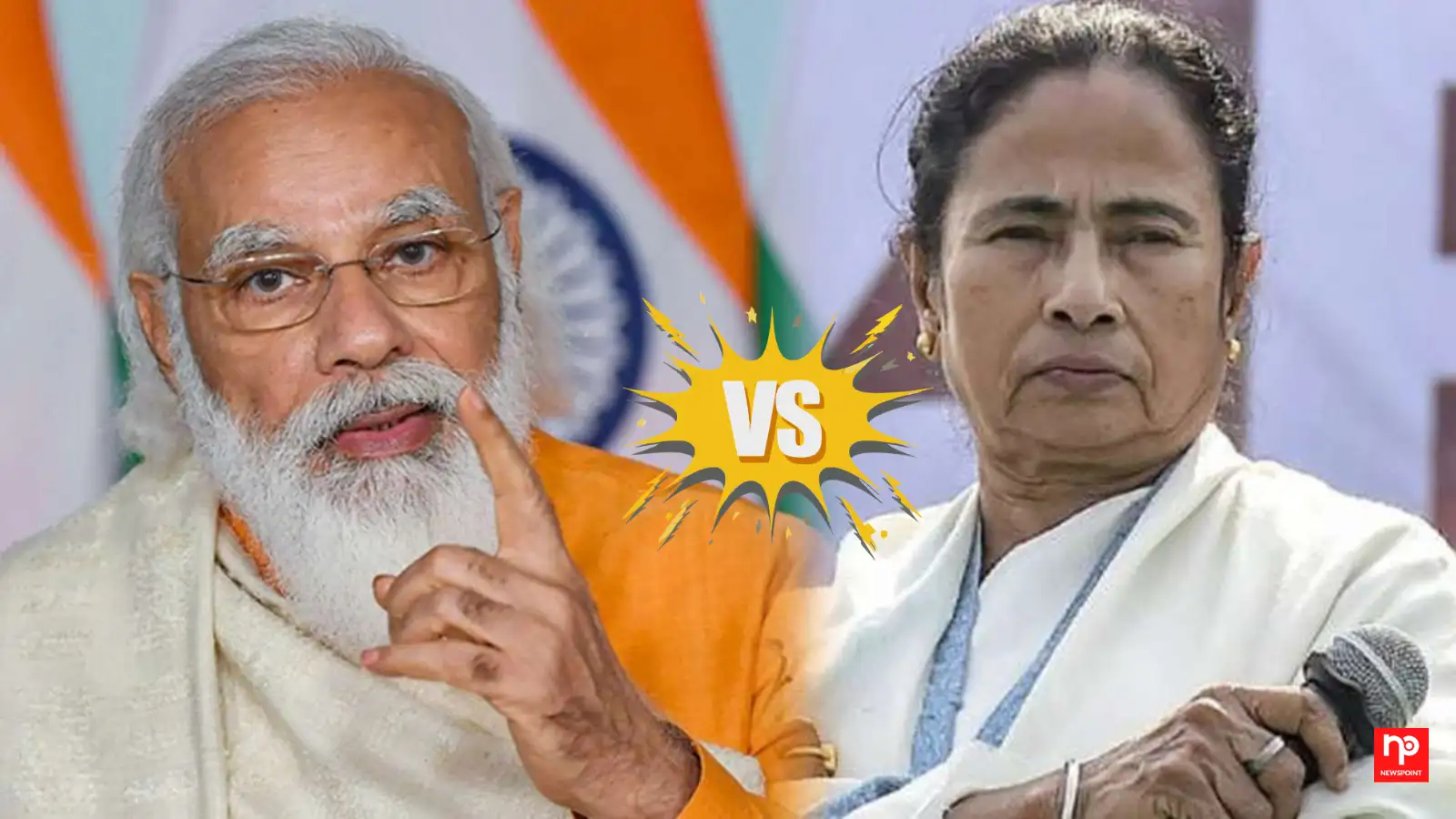
The BJP had won 77 seats in the 2021 Assembly polls, emerging as the second-largest party in Bengal. But in the 2024 Lok Sabha polls, the party’s tally dropped to 12 from 18 in the 2019 general election. This time, however, the BJP appears set to stage a massive comeback in West Bengal.
Here are some of the major factors that seem to have powered the BJP’s Bengal surge.
In July last year, the BJP’s central leadership appointed Shamik Bhattacharya as the party’s state president in West Bengal. In the context of the West Bengal political battle, this was widely seen as a significant move.
Bhattacharya is a BJP old-timer from the days of Atal Bihari Vajpayee and Lal Krishna Advani, a period when the BJP remained a peripheral force in Bengal’s political landscape. His appointment brought back a familiar face with long-standing roots in the state unit.
That decision appears to have paid off. While Suvendu Adhikari, the Leader of the Opposition in the Assembly, remained the BJP’s main face in rural Bengal, the soft-spoken and photography-loving Bhattacharya focused on building a connection with the ‘bhadralok’ voter base in Kolkata and suburban Bengal.
For years, one of Trinamool Congress and Mamata Banerjee’s strongest political weapons against the BJP in West Bengal has been the ‘outsider’ narrative.
Election after election, Trinamool projected the BJP as a north Indian party that did not understand Bengal’s cultural ethos. It was also repeatedly claimed that if the BJP came to power, it would interfere with Bengalis’ food habits.
In the run-up to this West Bengal election, countering that narrative became a major part of the BJP’s Bengal campaign.
BJP leaders publicly ate fish, a staple part of Bengali food culture, to underline the message that the party had no intention of policing what Bengalis eat. Shamik Bhattacharya, the BJP’s state chief, also stressed that Bengal will continue to have its fish and meat.
Another important part of the BJP’s West Bengal strategy was bringing veteran leaders, many of whom had been seen as sidelined in recent years, back into the spotlight.
A key example was Dilip Ghosh, the former state BJP chief. Although Ghosh had appeared to be on the sidelines over the past few years, this time the party leadership gave him renewed prominence by fielding him from the stronghold of Kharagpur Sadar.
Rahul Sinha’s elevation as a Rajya Sabha MP was another notable move. Once a major face of the state BJP unit, Sinha had been away from the political limelight for some time.
The broader message was clear. Through these moves, the BJP signaled to its old guard in West Bengal that the party wanted them actively involved in the bigger political battle.
This strategy was visible on the campaign trail as well. During one of the BJP rallies in the final stretch of the election campaign, veteran Bengal leaders, from Dilip Ghosh to former Governor Tathagata Roy, stood on the dais while Prime Minister Narendra Modi congratulated each of them.
One of the BJP’s biggest weaknesses in the 2021 West Bengal election was its lack of organisational depth at the grassroots level compared with the Trinamool Congress.
This time, the party appears to have worked systematically to address that weakness.
Union minister Bhupender Yadav, who took charge of the BJP’s Bengal campaign, focused heavily on strengthening the network of booth-level workers across the state.
The party even conducted oral and written tests to select its polling agents, underlining how much importance it placed on booth management in West Bengal.
For the past six months, the BJP’s grassroots strategy in Bengal has revolved around two major goals: countering the fear factor in rural areas and making sure voters actually reach the booths on polling day.
That ground-level effort now appears to be one of the biggest reasons behind the BJP’s strong showing in the West Bengal counting trends .
The BJP had won 77 seats in the 2021 Assembly polls, emerging as the second-largest party in Bengal. But in the 2024 Lok Sabha polls, the party’s tally dropped to 12 from 18 in the 2019 general election. This time, however, the BJP appears set to stage a massive comeback in West Bengal.
Here are some of the major factors that seem to have powered the BJP’s Bengal surge.
Shamik Bhattacharya as State BJP Chief
In July last year, the BJP’s central leadership appointed Shamik Bhattacharya as the party’s state president in West Bengal. In the context of the West Bengal political battle, this was widely seen as a significant move.
Bhattacharya is a BJP old-timer from the days of Atal Bihari Vajpayee and Lal Krishna Advani, a period when the BJP remained a peripheral force in Bengal’s political landscape. His appointment brought back a familiar face with long-standing roots in the state unit.
That decision appears to have paid off. While Suvendu Adhikari, the Leader of the Opposition in the Assembly, remained the BJP’s main face in rural Bengal, the soft-spoken and photography-loving Bhattacharya focused on building a connection with the ‘bhadralok’ voter base in Kolkata and suburban Bengal.
Focus on Countering the ‘Outsider’ Narrative
For years, one of Trinamool Congress and Mamata Banerjee’s strongest political weapons against the BJP in West Bengal has been the ‘outsider’ narrative.
Election after election, Trinamool projected the BJP as a north Indian party that did not understand Bengal’s cultural ethos. It was also repeatedly claimed that if the BJP came to power, it would interfere with Bengalis’ food habits.
In the run-up to this West Bengal election, countering that narrative became a major part of the BJP’s Bengal campaign.
BJP leaders publicly ate fish, a staple part of Bengali food culture, to underline the message that the party had no intention of policing what Bengalis eat. Shamik Bhattacharya, the BJP’s state chief, also stressed that Bengal will continue to have its fish and meat.
Bringing Old Players Back Into the Fold
Another important part of the BJP’s West Bengal strategy was bringing veteran leaders, many of whom had been seen as sidelined in recent years, back into the spotlight.
A key example was Dilip Ghosh, the former state BJP chief. Although Ghosh had appeared to be on the sidelines over the past few years, this time the party leadership gave him renewed prominence by fielding him from the stronghold of Kharagpur Sadar.
Rahul Sinha’s elevation as a Rajya Sabha MP was another notable move. Once a major face of the state BJP unit, Sinha had been away from the political limelight for some time.
The broader message was clear. Through these moves, the BJP signaled to its old guard in West Bengal that the party wanted them actively involved in the bigger political battle.
You may also like
- 'No need to be afraid': Mamata to TMC counting agents; assures 'win after sunset'
- No serious effort made by police to trace 2 stray dogs missing from IGI Airport: Delhi court
- Kolkata Police bans victory processions on counting day as Bengal results unfold
- West Bengal election results: BJP makes gains in TMC strongholds, including Muslim belts; leads in over 80 seats
- Vijay's TVK inches closer to majority mark as new 'Jana Nayagan' emerges in TN; smaller parties likely to extend support
This strategy was visible on the campaign trail as well. During one of the BJP rallies in the final stretch of the election campaign, veteran Bengal leaders, from Dilip Ghosh to former Governor Tathagata Roy, stood on the dais while Prime Minister Narendra Modi congratulated each of them.
The Grassroots Focus
One of the BJP’s biggest weaknesses in the 2021 West Bengal election was its lack of organisational depth at the grassroots level compared with the Trinamool Congress.
This time, the party appears to have worked systematically to address that weakness.
Union minister Bhupender Yadav, who took charge of the BJP’s Bengal campaign, focused heavily on strengthening the network of booth-level workers across the state.
The party even conducted oral and written tests to select its polling agents, underlining how much importance it placed on booth management in West Bengal.
For the past six months, the BJP’s grassroots strategy in Bengal has revolved around two major goals: countering the fear factor in rural areas and making sure voters actually reach the booths on polling day.
That ground-level effort now appears to be one of the biggest reasons behind the BJP’s strong showing in the West Bengal counting trends .






More from our partners


Loving Newspoint? Download the app now
