What Brought Down Air India Flight AI-171? Early Clues Point to Power Failure

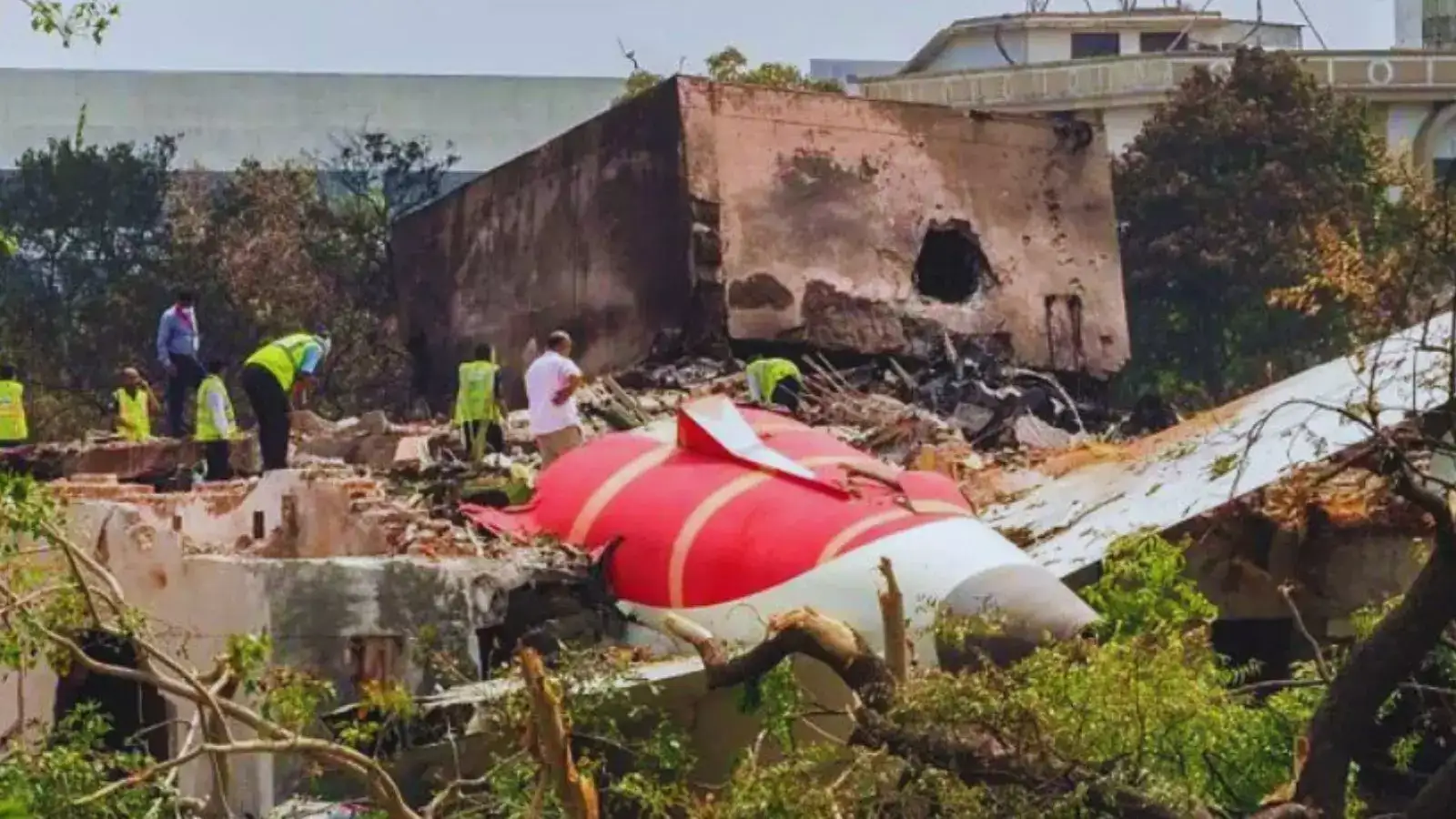
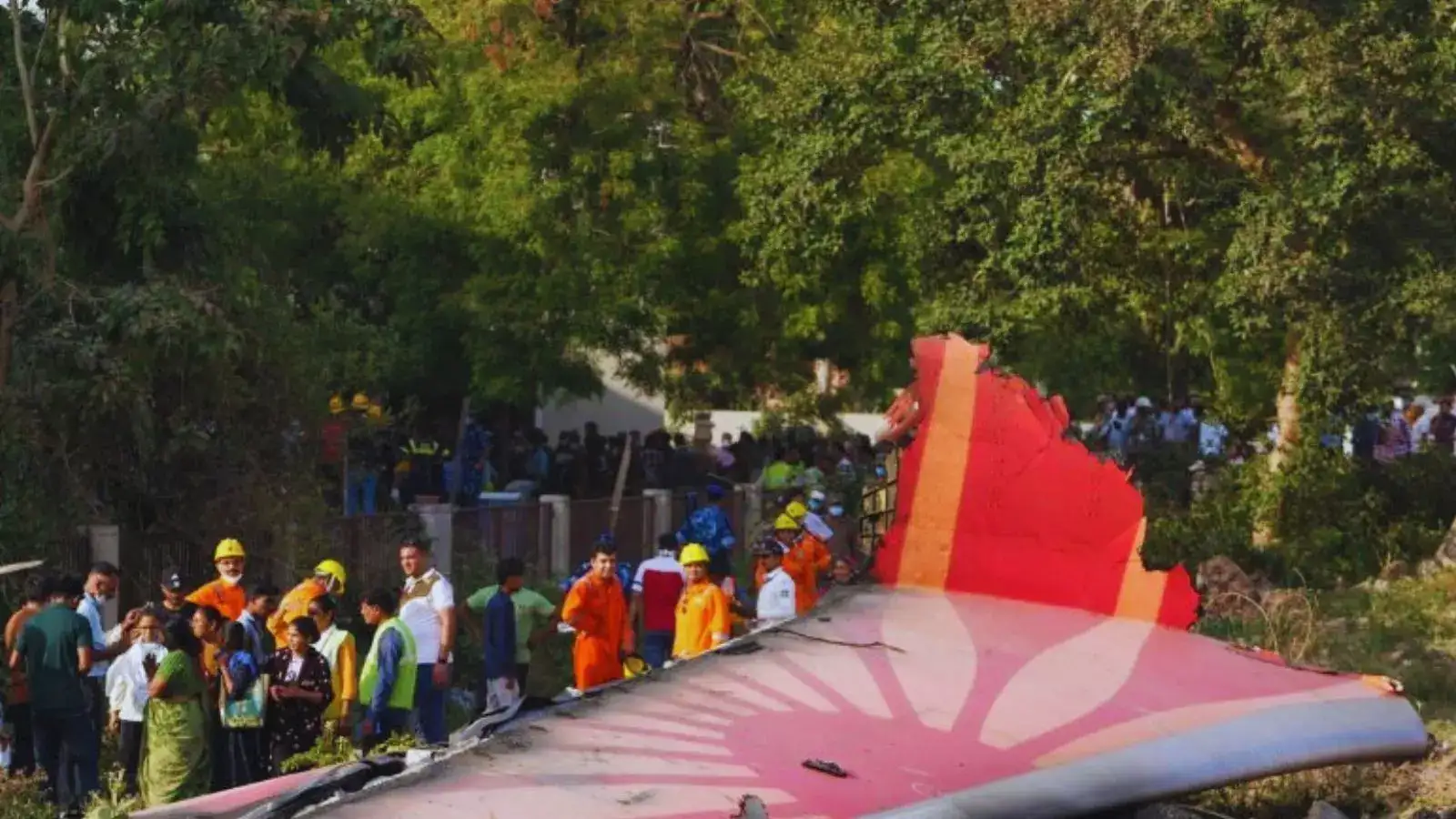
In a chilling turn of events on June 12, Air India flight AI-171 from Ahmedabad to London Gatwick crashed within moments of takeoff, claiming 33 lives on the ground. Investigators now suspect a sudden electrical failure brought down the Boeing 787 Dreamliner, which reached only 625 feet before slamming into a medical hostel building.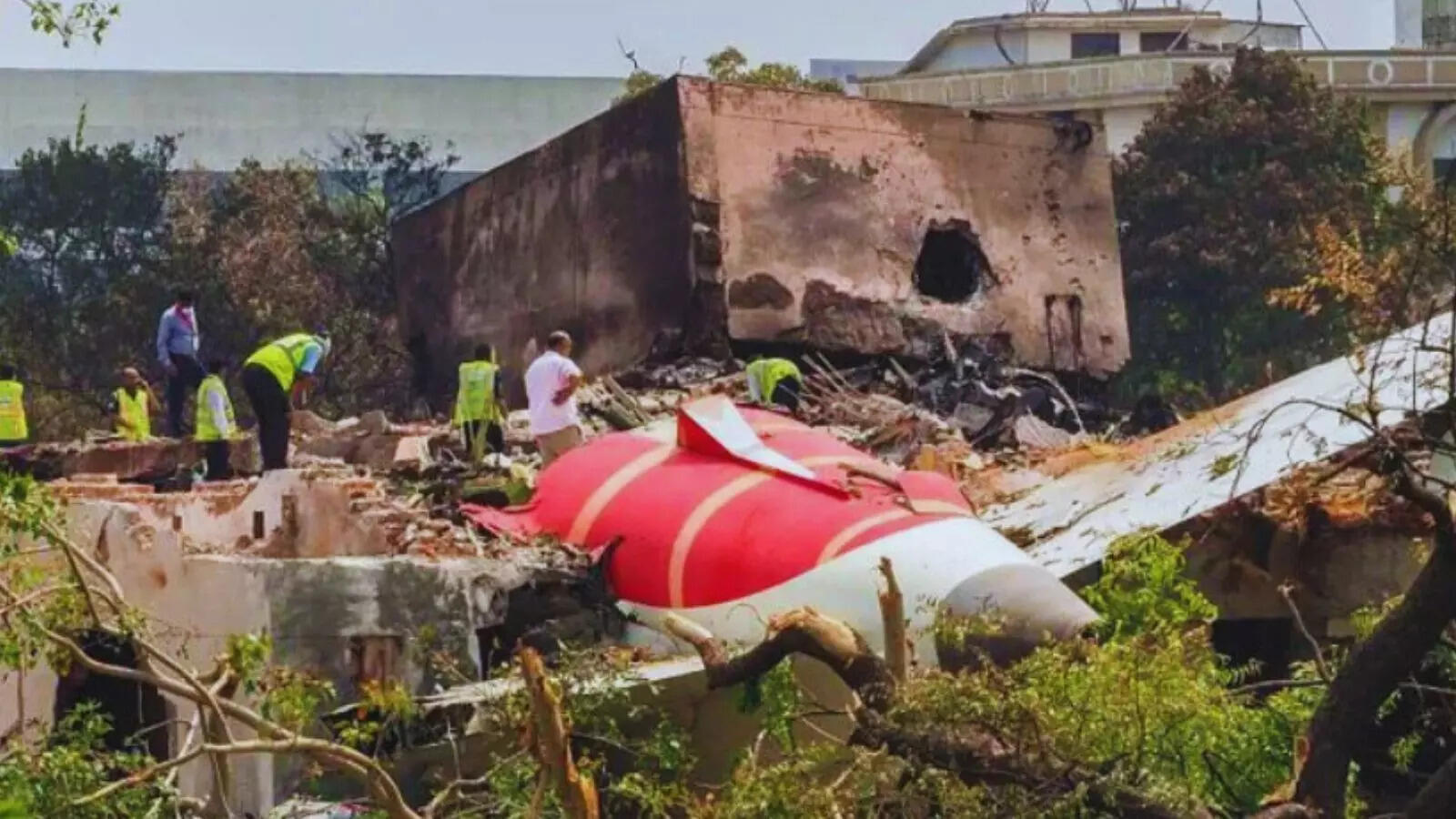
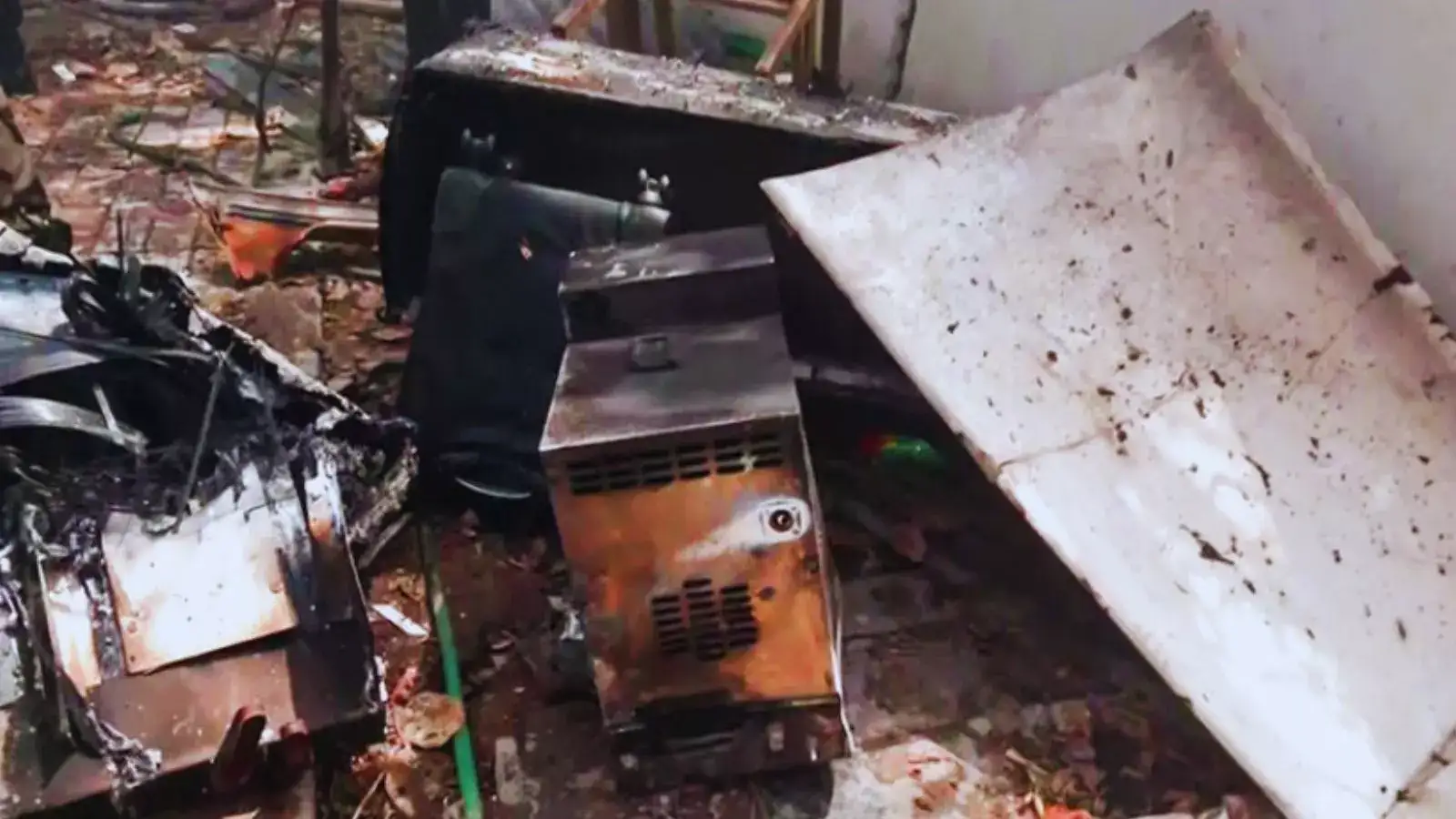
As investigators dig deeper, one truth stands out: even the most advanced machines can be undone in mere seconds if the tiniest fault goes unnoticed.
A Crash Within Seconds
Just seconds after takeoff at 1:39 PM, pilots reported a loss of thrust. The aircraft, carrying 242 people, never reached the safe altitude of 3,600 feet required to circle back or activate emergency systems. Radio contact was lost, and within a minute, the jet had crashed into a densely populated area near Meghani Nagar.Manual Efforts, But Not Enough Height
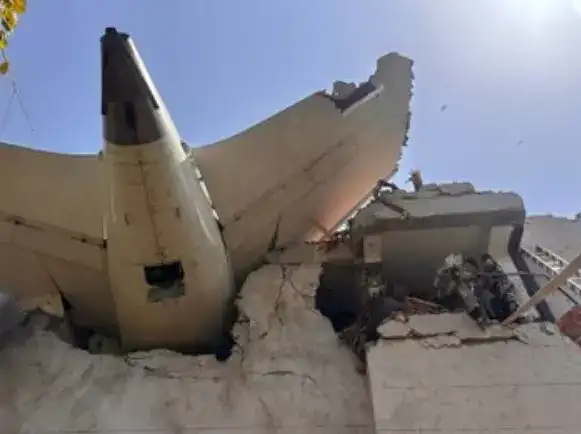
Investigators believe the pilots tried to recover control manually using reversionary systems. But the plane didn’t have enough altitude to stabilize or return. The aircraft reportedly pitched up for takeoff but couldn’t climb further. A steep descent followed, and the impact tore the tail section off.A First for the Dreamliner
This marks the first major crash of a Boeing 787 Dreamliner, a jet known for its modern safety systems. Capable of flying on one engine and handling hydraulic failures manually, the aircraft’s capabilities were limited by the low altitude in this case.Key Questions Ahead
Why didn’t pre-flight checks catch any issues? Was the fuel quality verified thoroughly? Could engineers have missed subtle warning signs? These questions lie at the heart of an investigation that aims to leave no stone unturned.Survivor and Aftermath
Incredibly, one passenger—Viswashkumar Ramesh—survived after being flung clear from the wreckage. The crash has led to renewed calls for tighter last-minute checks, better fuel testing, and quicker response protocols. The final answer, however, lies buried in black box data and fuel system forensics.As investigators dig deeper, one truth stands out: even the most advanced machines can be undone in mere seconds if the tiniest fault goes unnoticed.
Next Story