
Assembly Election 2026: What Does the 48-Hour ‘Silent Period’ Before Voting Mean?

As key states head into Assembly elections, the Election Commission of India (ECI) has enforced strict rules for the mandatory 48-hour “silent period.” This step is designed to ensure voters can make decisions without last-minute political influence.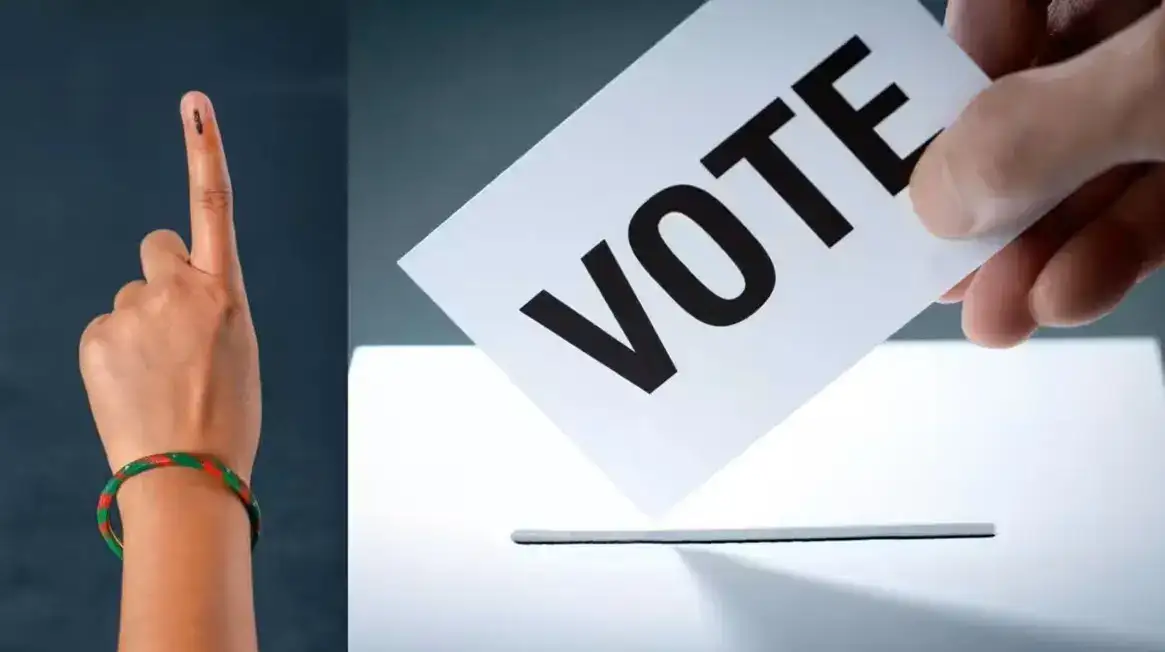
What is the silent period?
The silent period is the final 48 hours before polling concludes, during which all election-related campaigning is banned. This applies across television, radio, digital platforms, and social media. The idea is to create a neutral space for voters to think and choose freely.
As per the Representation of the People Act, 1951, especially Section 126(1)(b), broadcasting or displaying election-related content during this period is strictly prohibited.
Key polling dates
Penalty for violations
Breaking silent period rules can lead to serious consequences:
What is not allowed?
During this period, several activities are strictly banned:
Liquor ban in effect
To maintain order during elections, the sale and distribution of alcohol is prohibited within polling areas throughout the silent period.
Exit and opinion polls ban
The ECI has also enforced a complete ban on exit and opinion polls from 7:00 AM on April 9 to 6:30 PM on April 29, 2026. This applies to all states going to polls and selected by-elections across multiple regions.
The restriction covers print, electronic, and digital media, ensuring voters are not influenced during multi-phase elections.
The silent period remains a crucial safeguard in India’s electoral system, helping ensure that every vote is cast independently and without external pressure during the Assembly elections.
What is the silent period?
The silent period is the final 48 hours before polling concludes, during which all election-related campaigning is banned. This applies across television, radio, digital platforms, and social media. The idea is to create a neutral space for voters to think and choose freely. As per the Representation of the People Act, 1951, especially Section 126(1)(b), broadcasting or displaying election-related content during this period is strictly prohibited.
Key polling dates
- April 9, 2026: Assam, Kerala, Puducherry
- April 23, 2026: Tamil Nadu and Phase 1 in West Bengal
- April 29, 2026: Phase 2 in West Bengal
Penalty for violations
Breaking silent period rules can lead to serious consequences: - Imprisonment for up to two years
- A fine
- Or both
What is not allowed?
During this period, several activities are strictly banned: - Political advertisements on TV, radio, cable, and cinema halls
- Election-related messages via SMS, calls, or digital platforms
- Publication or broadcast of opinion polls or survey results
- Media interactions such as press conferences or interviews by political leaders on election matters
Liquor ban in effect
To maintain order during elections, the sale and distribution of alcohol is prohibited within polling areas throughout the silent period.Exit and opinion polls ban
The ECI has also enforced a complete ban on exit and opinion polls from 7:00 AM on April 9 to 6:30 PM on April 29, 2026. This applies to all states going to polls and selected by-elections across multiple regions. The restriction covers print, electronic, and digital media, ensuring voters are not influenced during multi-phase elections.
The silent period remains a crucial safeguard in India’s electoral system, helping ensure that every vote is cast independently and without external pressure during the Assembly elections.
Next Story