
PNG, CNG, LPG, LNG: Why So Many Gases and What They Really Mean

With global tensions rising and energy supply chains facing uncertainty, terms like PNG, CNG, LPG, and LNG are suddenly everywhere. It may sound confusing, but these aren’t just different names for the same thing. Each gas has a unique role in how we cook, travel, and power our lives.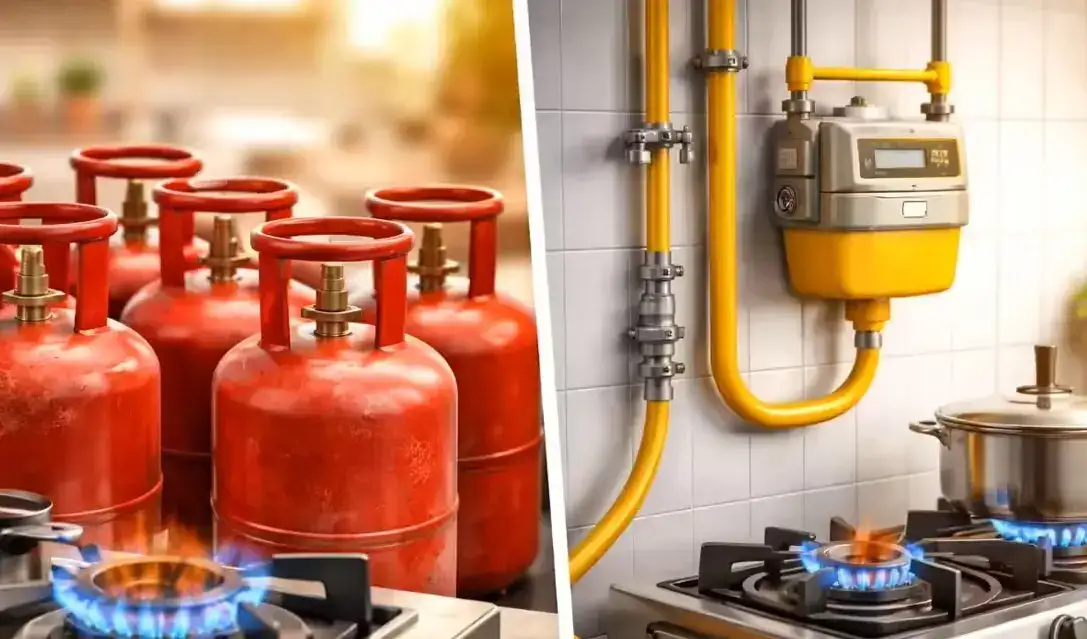
A Quick Look at the Four Fuel Gases
LPG (Liquefied Petroleum Gas)
This is the familiar kitchen gas used in cylinders. Made from propane and butane, LPG is easy to store and widely used across homes in India for cooking.
PNG (Piped Natural Gas)
PNG is natural gas delivered directly to homes through pipelines. No cylinders, no refills, just a steady, uninterrupted supply for daily cooking needs.
CNG (Compressed Natural Gas)
CNG is natural gas stored under high pressure. It’s mainly used as a cleaner, cost-effective fuel for vehicles like cars, buses, and autos.
LNG (Liquefied Natural Gas)
LNG is natural gas cooled to extremely low temperatures, turning it into liquid form. This makes it easier to transport across long distances, especially between countries.
Why Are These Gases in the News?
Recent disruptions in West Asia, especially around key routes like the Strait of Hormuz, have impacted global energy supplies. India, which relies heavily on imports from the Middle East, is feeling the pressure. LPG and LNG supplies, in particular, are vulnerable since they are largely imported.
The Shift Towards Alternatives
With concerns over LPG availability, many are turning their attention to PNG. Since it’s supplied through pipelines within the country, it’s less affected by international disruptions. It also offers continuous availability, no waiting for cylinder deliveries or worrying about running out mid-cooking.
CNG, already popular in public transport, continues to be a reliable and eco-friendly fuel option for vehicles.
PNG vs LPG: Why People Are Switching
PNG is gaining popularity for a few simple reasons. It’s available 24/7, eliminating the hassle of booking and storing cylinders. There’s also an added safety advantage, being lighter than air, it disperses quickly in case of leaks, reducing the risk of accidents.
These four gases may sound similar, but their uses are quite different. LPG powers our kitchens, PNG simplifies home cooking, CNG fuels our vehicles, and LNG keeps global energy trade moving.
Understanding these differences helps make smarter choices, especially at a time when energy security matters more than ever.
A Quick Look at the Four Fuel Gases
LPG (Liquefied Petroleum Gas)
This is the familiar kitchen gas used in cylinders. Made from propane and butane, LPG is easy to store and widely used across homes in India for cooking. PNG (Piped Natural Gas)
PNG is natural gas delivered directly to homes through pipelines. No cylinders, no refills, just a steady, uninterrupted supply for daily cooking needs.CNG (Compressed Natural Gas)
CNG is natural gas stored under high pressure. It’s mainly used as a cleaner, cost-effective fuel for vehicles like cars, buses, and autos. LNG (Liquefied Natural Gas)
LNG is natural gas cooled to extremely low temperatures, turning it into liquid form. This makes it easier to transport across long distances, especially between countries.You may also like
- Mamata blames 'Hyderabad cuckoo AIMIM' for Malda unrest
- Air Quality Management Commission reviews inspection outcomes, strengthens compliance mechanisms across National Capital Region
- "Someone who runs bulldozers over homes of poor trying to preach to Kerala": CM Vijayan slams Telangana CM Reddy
- CJI Justice Surya Kant completes self-enumeration for digital Census 2027
- Kerala's Left Govt's poverty claims misleading, pension promises unfulfilled: Congress leader KC Venugopal
Why Are These Gases in the News?
Recent disruptions in West Asia, especially around key routes like the Strait of Hormuz, have impacted global energy supplies. India, which relies heavily on imports from the Middle East, is feeling the pressure. LPG and LNG supplies, in particular, are vulnerable since they are largely imported. The Shift Towards Alternatives
With concerns over LPG availability, many are turning their attention to PNG. Since it’s supplied through pipelines within the country, it’s less affected by international disruptions. It also offers continuous availability, no waiting for cylinder deliveries or worrying about running out mid-cooking. CNG, already popular in public transport, continues to be a reliable and eco-friendly fuel option for vehicles.
PNG vs LPG: Why People Are Switching
PNG is gaining popularity for a few simple reasons. It’s available 24/7, eliminating the hassle of booking and storing cylinders. There’s also an added safety advantage, being lighter than air, it disperses quickly in case of leaks, reducing the risk of accidents.These four gases may sound similar, but their uses are quite different. LPG powers our kitchens, PNG simplifies home cooking, CNG fuels our vehicles, and LNG keeps global energy trade moving.
Understanding these differences helps make smarter choices, especially at a time when energy security matters more than ever.






More from our partners


Loving Newspoint? Download the app now
