Who Is Pankaj Chaudhary? UP BJP Eyes Him As Chief Ahead Of 2027 Elections

As the Bharatiya Janata Party gears up for a critical organisational reset in Uttar Pradesh ahead of the 2027 Assembly elections, seven-time Maharajganj MP and Union Minister Pankaj Chaudhary has emerged as the frontrunner for the post of BJP’s state president. His nomination signals a strategic move by the party to strengthen its social outreach and consolidate support among key backward communities in the state.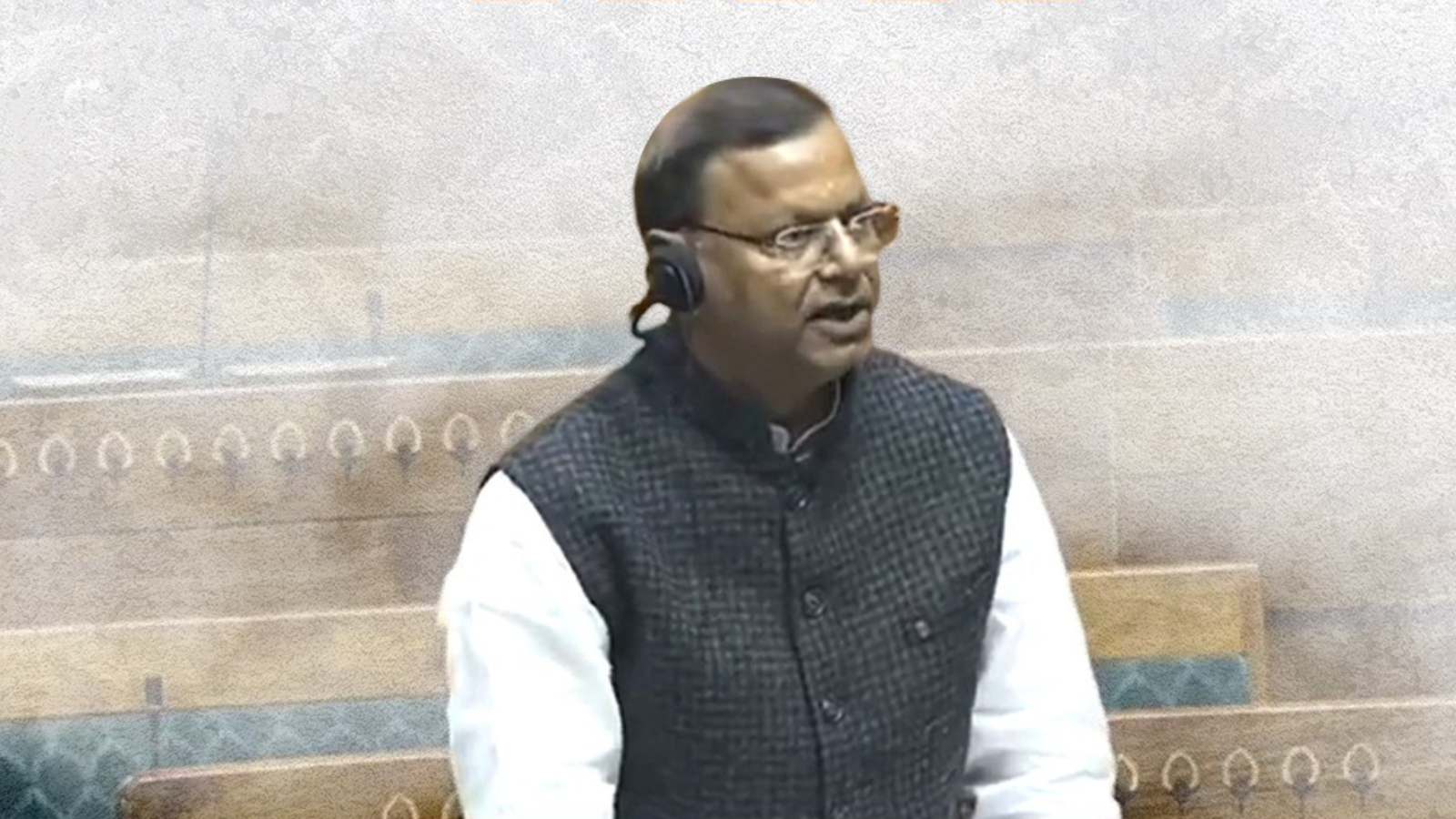
Belonging to the politically influential Kurmi community, an important Other Backward Class group in Uttar Pradesh, Chaudhary’s elevation is being viewed as a carefully calibrated political message. Party insiders believe his leadership could help the BJP recalibrate its caste equations at a time when rebuilding OBC support has become central to its Mission 2027 roadmap.
Sources within the BJP say Chaudhary enjoys the confidence of both the party’s central leadership and the Rashtriya Swayamsevak Sangh (RSS). His reputation as an accessible leader, his non-controversial public image, and his long experience in organisational politics are seen as key factors that have placed him ahead of other contenders.
“The timing of the leadership change is also politically loaded. With the assembly elections less than two years away, the party appears keen to use the leadership choice to underline its Mission 2027 strategy,” political analyst R N Bajpayee said.
Senior journalist and political observer Manoj Bhadra echoed similar views, linking the move to the BJP’s recent electoral performance. “The BJP’s relatively modest performance in Uttar Pradesh in the recent Lok Sabha elections has largely been linked to the success of the Samajwadi Party’s PDA outreach. Party strategists believe that projecting a strong and credible OBC leader like Chaudhary could help the BJP regain lost ground among backward communities and recalibrate its social coalition,” he said.
Early life and political rise
Born in 1964 in Gorakhpur, Pankaj Chaudhary completed his graduation from Gorakhpur University. He entered public life in 1989 after being elected as a councillor in the Gorakhpur Municipal Corporation and later served as deputy mayor. Following the creation of Maharajganj district, he made it the centre of his political activities, gradually building a formidable grassroots base.
Chaudhary soon became a dominant figure in district panchayat politics in Maharajganj, aided by his family’s deep-rooted association with local governance. His elder brother, the late industrialist Pradeep Chaudhary, served as the district’s first panchayat chairman, followed by two consecutive terms held by their mother, Ujjwal Chaudhary. Even during periods when the BJP was out of power, party leaders say Chaudhary retained considerable influence through organisational strength and political strategy.
Chaudhary formally joined the BJP in 1990 as a member of the district working committee. He was first elected to the Lok Sabha from Maharajganj in 1991 and retained the seat in 1996 and 1998. After electoral defeats in 1999 and 2009, he made a comeback in 2004 and has been winning the seat consistently since 2014. He is currently serving his fifth consecutive term in Parliament.
He was inducted into the Union government during the first expansion of Prime Minister Narendra Modi’s cabinet and retained his ministerial role after the 2024 Lok Sabha elections. Despite his long parliamentary career, party leaders underline that Chaudhary has remained deeply connected with grassroots workers and local issues.
Even political opponents acknowledge Pankaj Chaudhary’s impeccable personal conduct and strong mass connect. Experts note that he could play a pivotal role in consolidating traditional Kurmi votes, including those aligned with allies like the Apna Dal. Renowned for his close ties with the Sangh and widespread acceptance among cadre-based leaders, Chaudhary’s strategic acumen has been proven across multiple elections.
BJP worker Dr Shanti Sharan Mishra highlighted that Chaudhary’s elevation would be a matter of pride for Maharajganj. He recalled that during Gita Press’s centenary celebrations, Prime Minister Narendra Modi personally visited Chaudhary’s residence via narrow lanes a gesture that significantly boosted his stature in eastern Uttar Pradesh and further strengthened his influence within the Kurmi community.
Belonging to the politically influential Kurmi community, an important Other Backward Class group in Uttar Pradesh, Chaudhary’s elevation is being viewed as a carefully calibrated political message. Party insiders believe his leadership could help the BJP recalibrate its caste equations at a time when rebuilding OBC support has become central to its Mission 2027 roadmap.
Sources within the BJP say Chaudhary enjoys the confidence of both the party’s central leadership and the Rashtriya Swayamsevak Sangh (RSS). His reputation as an accessible leader, his non-controversial public image, and his long experience in organisational politics are seen as key factors that have placed him ahead of other contenders.
“The timing of the leadership change is also politically loaded. With the assembly elections less than two years away, the party appears keen to use the leadership choice to underline its Mission 2027 strategy,” political analyst R N Bajpayee said.
Senior journalist and political observer Manoj Bhadra echoed similar views, linking the move to the BJP’s recent electoral performance. “The BJP’s relatively modest performance in Uttar Pradesh in the recent Lok Sabha elections has largely been linked to the success of the Samajwadi Party’s PDA outreach. Party strategists believe that projecting a strong and credible OBC leader like Chaudhary could help the BJP regain lost ground among backward communities and recalibrate its social coalition,” he said.
Early life and political rise
Born in 1964 in Gorakhpur, Pankaj Chaudhary completed his graduation from Gorakhpur University. He entered public life in 1989 after being elected as a councillor in the Gorakhpur Municipal Corporation and later served as deputy mayor. Following the creation of Maharajganj district, he made it the centre of his political activities, gradually building a formidable grassroots base.
Chaudhary soon became a dominant figure in district panchayat politics in Maharajganj, aided by his family’s deep-rooted association with local governance. His elder brother, the late industrialist Pradeep Chaudhary, served as the district’s first panchayat chairman, followed by two consecutive terms held by their mother, Ujjwal Chaudhary. Even during periods when the BJP was out of power, party leaders say Chaudhary retained considerable influence through organisational strength and political strategy.
Parliamentary career and organisational standing
Chaudhary formally joined the BJP in 1990 as a member of the district working committee. He was first elected to the Lok Sabha from Maharajganj in 1991 and retained the seat in 1996 and 1998. After electoral defeats in 1999 and 2009, he made a comeback in 2004 and has been winning the seat consistently since 2014. He is currently serving his fifth consecutive term in Parliament.
He was inducted into the Union government during the first expansion of Prime Minister Narendra Modi’s cabinet and retained his ministerial role after the 2024 Lok Sabha elections. Despite his long parliamentary career, party leaders underline that Chaudhary has remained deeply connected with grassroots workers and local issues.
Even political opponents acknowledge Pankaj Chaudhary’s impeccable personal conduct and strong mass connect. Experts note that he could play a pivotal role in consolidating traditional Kurmi votes, including those aligned with allies like the Apna Dal. Renowned for his close ties with the Sangh and widespread acceptance among cadre-based leaders, Chaudhary’s strategic acumen has been proven across multiple elections.
BJP worker Dr Shanti Sharan Mishra highlighted that Chaudhary’s elevation would be a matter of pride for Maharajganj. He recalled that during Gita Press’s centenary celebrations, Prime Minister Narendra Modi personally visited Chaudhary’s residence via narrow lanes a gesture that significantly boosted his stature in eastern Uttar Pradesh and further strengthened his influence within the Kurmi community.
Next Story