
Baisakhi 2026: How Different Regions of India Welcome the Harvest Season

Baisakhi 2026 , arriving on April 14, is more than a harvest festival, it’s a shared moment of renewal felt across India. While many recognise it as the Sikh New Year, its significance stretches far beyond one region. Rooted in seasonal change and tradition, this day reflects gratitude, fresh beginnings, and cultural vibrance in different forms.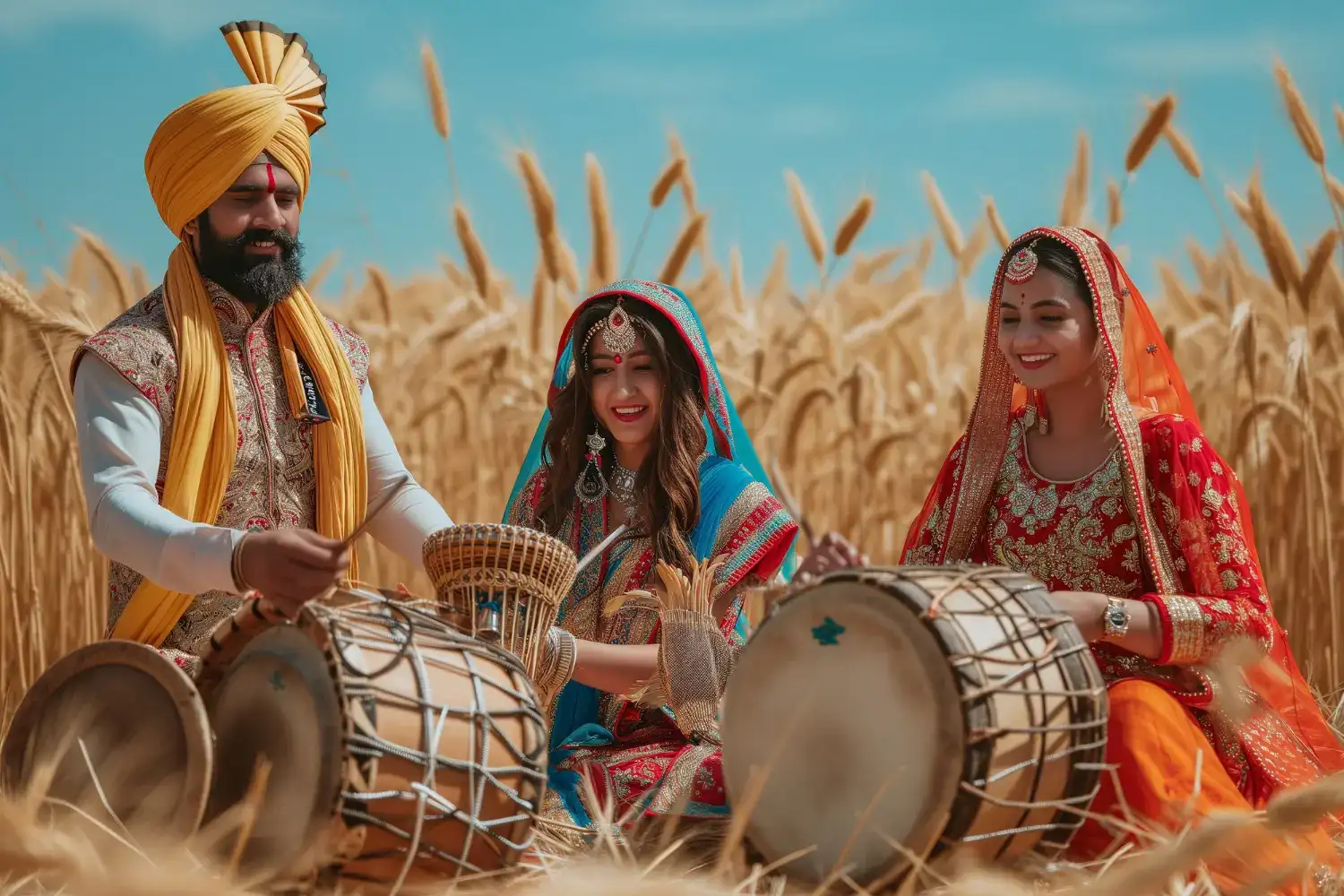
The Solar Shift That Connects It All
At the heart of these celebrations is Mesha Sankranti, the sun’s entry into Aries. This astronomical shift marks the Solar New Year in many Indian calendars. That’s why, on the same day, different states celebrate their own New Year festivals, each shaped by local customs yet united in spirit.
Punjab: Where Faith Meets Festivity
In Punjab, Baisakhi carries deep spiritual meaning. It commemorates the formation of the Khalsa by Guru Gobind Singh in 1699. Gurdwaras fill with prayers, while Nagar Kirtans bring streets alive with music and devotion. Add Bhangra and Gidda to the mix, and the celebration becomes a vibrant blend of faith and joy.
Haryana: A Farmer’s Celebration
In Haryana, Baisakhi is rooted in the land. It marks the wheat harvest, making it a proud moment for farmers. Villages host fairs, folk performances, and traditional games, creating a warm, grounded celebration of hard work and prosperity.
Tamil Nadu: A Fresh Start with Puthandu
Down south, the day is celebrated as Puthandu. Homes shine with kolam designs, and families begin the year with auspicious rituals. The iconic mango pachadi, blending sweet, sour, and bitter, symbolises life’s mixed experiences.
Assam: The Energy of Rongali Bihu
In Assam, Rongali Bihu welcomes spring and the Assamese New Year. Celebrations unfold over days with dance, music, and feasts. The lively Bihu performances and exchange of gamosa reflect warmth and togetherness.
West Bengal: Cultural Colours of Pohela Boishakh
In West Bengal, Pohela Boishakh marks new beginnings. Streets fill with processions, art, and music, while families dress in traditional attire. Businesses open new account books, blending culture with fresh financial starts.
Odisha: Cooling Traditions of Pana Sankranti
Odisha celebrates Pana Sankranti with a refreshing twist. The festival’s signature drink, Bela Pana, helps beat the summer heat. Rituals like water-dripping pots symbolise hope for rain and a good harvest.
Kerala: Vishu’s Promise of Prosperity
In Kerala, Vishu begins with Vishukkani, an auspicious arrangement viewed at dawn. Families share a grand feast and blessings, filling the day with positivity and hope.
Maharashtra: The Spirit of Gudi Padwa
Though celebrated earlier, Gudi Padwa reflects the same seasonal transition. The hoisting of the Gudi symbolises victory and new beginnings, echoing Baisakhi’s core essence.
One Spirit, Many Forms
What makes Baisakhi truly special is its unity in diversity. From harvest joy to New Year rituals, every region celebrates in its own way, yet all share themes of gratitude, renewal, and hope.
Why It Still Matters Today
In a fast-moving world, Baisakhi offers a pause, a chance to reconnect with nature, tradition, and community. In 2026, it stands as a reminder that despite cultural differences, shared moments like these bring people closer.
Why So Many Festivals Fall on the Same Day
The answer lies in Mesha Sankranti, the Sun’s transition into Aries. This celestial shift marks the Solar New Year, which is why many states across India celebrate different festivals around the same time. Regions like Kerala, Tamil Nadu, Assam, and West Bengal follow the solar calendar, while others, including Maharashtra and parts of South India, observe lunar New Year festivals such as Ugadi a few weeks earlier.
Simply put, it’s all about timing. Since Baisakhi coincides with Mesha Sankranti, regions that follow the solar calendar welcome their New Year on this day. Festivals like Puthandu, Vishu, Rongali Bihu, and Pohela Boishakh all trace their roots to this same celestial moment.
On the other hand, celebrations like Ugadi and Gudi Padwa follow the lunar cycle, which is why they arrive earlier. Still, whether guided by the Sun or the Moon, the essence remains the same, welcoming fresh beginnings with joy and gratitude.
In essence, Baisakhi 2026 isn’t just a festival, it’s a shared heartbeat across India, expressed in many beautiful ways.
The Solar Shift That Connects It All
At the heart of these celebrations is Mesha Sankranti, the sun’s entry into Aries. This astronomical shift marks the Solar New Year in many Indian calendars. That’s why, on the same day, different states celebrate their own New Year festivals, each shaped by local customs yet united in spirit. Punjab: Where Faith Meets Festivity
In Punjab, Baisakhi carries deep spiritual meaning. It commemorates the formation of the Khalsa by Guru Gobind Singh in 1699. Gurdwaras fill with prayers, while Nagar Kirtans bring streets alive with music and devotion. Add Bhangra and Gidda to the mix, and the celebration becomes a vibrant blend of faith and joy.Haryana: A Farmer’s Celebration
In Haryana, Baisakhi is rooted in the land. It marks the wheat harvest, making it a proud moment for farmers. Villages host fairs, folk performances, and traditional games, creating a warm, grounded celebration of hard work and prosperity. Tamil Nadu: A Fresh Start with Puthandu
Down south, the day is celebrated as Puthandu. Homes shine with kolam designs, and families begin the year with auspicious rituals. The iconic mango pachadi, blending sweet, sour, and bitter, symbolises life’s mixed experiences.Assam: The Energy of Rongali Bihu
In Assam, Rongali Bihu welcomes spring and the Assamese New Year. Celebrations unfold over days with dance, music, and feasts. The lively Bihu performances and exchange of gamosa reflect warmth and togetherness. West Bengal: Cultural Colours of Pohela Boishakh
In West Bengal, Pohela Boishakh marks new beginnings. Streets fill with processions, art, and music, while families dress in traditional attire. Businesses open new account books, blending culture with fresh financial starts. Odisha: Cooling Traditions of Pana Sankranti
Odisha celebrates Pana Sankranti with a refreshing twist. The festival’s signature drink, Bela Pana, helps beat the summer heat. Rituals like water-dripping pots symbolise hope for rain and a good harvest. Kerala: Vishu’s Promise of Prosperity
In Kerala, Vishu begins with Vishukkani, an auspicious arrangement viewed at dawn. Families share a grand feast and blessings, filling the day with positivity and hope.You may also like
- Amitabh Bachchan mourns Asha Bhole's demise
- 'People will respond to bombs with ballots': Amit Shah in Bengal, warns 'jail' for TMC 'goons'
- National Health Authority invites innovators to join AB PM-JAY auto-adjudication Hackathon 2026
- 'Got ₹39 hike last year': Angry Noida workers speak out
- Tamil Nadu Assembly polls: DMK, BJP set for high-stakes clash in Sattur constituency
Maharashtra: The Spirit of Gudi Padwa
Though celebrated earlier, Gudi Padwa reflects the same seasonal transition. The hoisting of the Gudi symbolises victory and new beginnings, echoing Baisakhi’s core essence. One Spirit, Many Forms
What makes Baisakhi truly special is its unity in diversity. From harvest joy to New Year rituals, every region celebrates in its own way, yet all share themes of gratitude, renewal, and hope. Why It Still Matters Today
In a fast-moving world, Baisakhi offers a pause, a chance to reconnect with nature, tradition, and community. In 2026, it stands as a reminder that despite cultural differences, shared moments like these bring people closer. Why So Many Festivals Fall on the Same Day
The answer lies in Mesha Sankranti, the Sun’s transition into Aries. This celestial shift marks the Solar New Year, which is why many states across India celebrate different festivals around the same time. Regions like Kerala, Tamil Nadu, Assam, and West Bengal follow the solar calendar, while others, including Maharashtra and parts of South India, observe lunar New Year festivals such as Ugadi a few weeks earlier. Simply put, it’s all about timing. Since Baisakhi coincides with Mesha Sankranti, regions that follow the solar calendar welcome their New Year on this day. Festivals like Puthandu, Vishu, Rongali Bihu, and Pohela Boishakh all trace their roots to this same celestial moment.
On the other hand, celebrations like Ugadi and Gudi Padwa follow the lunar cycle, which is why they arrive earlier. Still, whether guided by the Sun or the Moon, the essence remains the same, welcoming fresh beginnings with joy and gratitude.
In essence, Baisakhi 2026 isn’t just a festival, it’s a shared heartbeat across India, expressed in many beautiful ways.






More from our partners


Loving Newspoint? Download the app now
