
LPG Price Increase: Government Shares the Real Reason Behind the Hike

The government has approved a Rs 60 increase in domestic LPG cylinder prices, effective immediately. The decision has sparked debate, with opposition leaders criticizing the move and raising concerns about the growing burden on households. In response, the government released a detailed fact sheet explaining the reasons behind the price revision.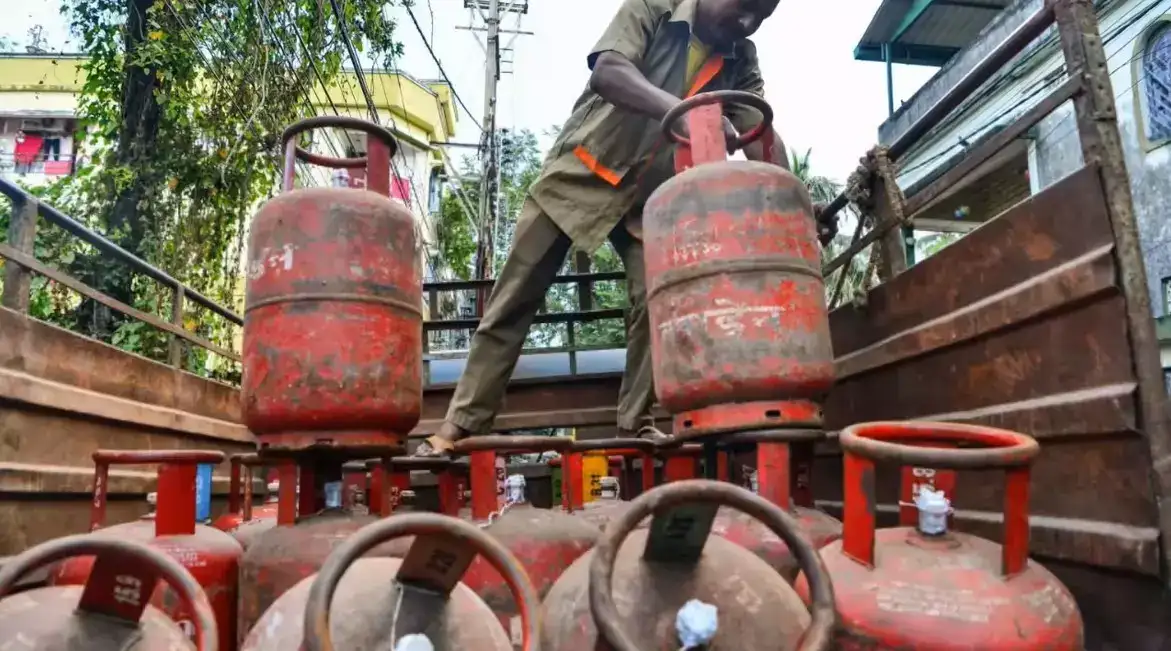
According to the Petroleum Ministry, global LPG prices have been rising, but Indian consumers have largely been protected from these fluctuations. The Saudi Contract Price (CP), India’s key benchmark for LPG, reached $542 per metric ton in March 2026, up from $466 in November 2025. Despite this rise, the price of a 14.2 kg non-subsidized cylinder in Delhi is Rs 853, which is Rs 134 lower than the market-linked price of Rs 987. The government is absorbing the remaining cost to reduce the impact on consumers.
India depends heavily on imports for LPG, with over 60 percent of its requirement coming from global markets. This makes domestic pricing sensitive to international trends. The Saudi CP itself has seen sharp fluctuations, rising from $415 per MT in 2020-21 to $712 in 2022-23.
For families under the Pradhan Mantri Ujjwala Yojana (PMUY), the increase has a relatively small daily impact. Cooking costs have gone up from Rs 7.31 to Rs 8.11 per day, meaning an increase of about 80 paise per family or roughly 20 paise per person.
Even after the price revision, LPG in India remains among the most affordable in the region. In Delhi, a 14.2 kg cylinder for Ujjwala beneficiaries costs Rs 613, compared to around Rs 1,046 in Pakistan, Rs 1,242 in Sri Lanka, and Rs 1,208 in Nepal.
Commercial LPG cylinders, commonly used by hotels and industries, are more closely linked to global market movements. Their price increased from Rs 1,646 in March 2024 to Rs 1,883 in March 2026. Oil Marketing Companies (OMCs) have also faced significant financial pressure, reporting losses of around Rs 40,000 crore in 2024-25, while the government provided Rs 30,000 crore in support.
Interestingly, the price for PMUY beneficiaries has actually fallen over the past few years—from Rs 903 in August 2023 to Rs 613 in March 2026, a 32 percent reduction, even though global LPG benchmarks rose by 41 percent during the same period.
The government also highlighted the expansion of LPG access in India. Since 2014, LPG penetration has doubled, with active domestic consumers rising from 145.1 million to 333.1 million. Consumption has grown from 17.6 million metric tonnes to 32 million metric tonnes, while bottling capacity and infrastructure have expanded significantly. Pipeline length has increased from 2,311 km to 6,242 km, and import capacity has tripled to 32.3 MMTPA.
Meanwhile, LPG usage among Ujjwala beneficiaries has also increased. Per-capita consumption rose from 3.81 cylinders in FY 2016-17 to 4.83 cylinders by January FY 2025-26, indicating wider adoption of clean cooking fuel.
Overall, the government maintains that despite the latest price increase, India’s fuel policy has helped keep prices relatively stable compared to neighboring countries. For instance, between February 2022 and 2026, petrol prices in Delhi fell by 0.67 percent, while diesel rose only 1.15 percent. In contrast, petrol prices in Pakistan surged by 55 percent, and diesel prices in Sri Lanka jumped by 81 percent.
According to the Petroleum Ministry, global LPG prices have been rising, but Indian consumers have largely been protected from these fluctuations. The Saudi Contract Price (CP), India’s key benchmark for LPG, reached $542 per metric ton in March 2026, up from $466 in November 2025. Despite this rise, the price of a 14.2 kg non-subsidized cylinder in Delhi is Rs 853, which is Rs 134 lower than the market-linked price of Rs 987. The government is absorbing the remaining cost to reduce the impact on consumers.
India depends heavily on imports for LPG, with over 60 percent of its requirement coming from global markets. This makes domestic pricing sensitive to international trends. The Saudi CP itself has seen sharp fluctuations, rising from $415 per MT in 2020-21 to $712 in 2022-23.
For families under the Pradhan Mantri Ujjwala Yojana (PMUY), the increase has a relatively small daily impact. Cooking costs have gone up from Rs 7.31 to Rs 8.11 per day, meaning an increase of about 80 paise per family or roughly 20 paise per person.
Even after the price revision, LPG in India remains among the most affordable in the region. In Delhi, a 14.2 kg cylinder for Ujjwala beneficiaries costs Rs 613, compared to around Rs 1,046 in Pakistan, Rs 1,242 in Sri Lanka, and Rs 1,208 in Nepal.
Commercial LPG cylinders, commonly used by hotels and industries, are more closely linked to global market movements. Their price increased from Rs 1,646 in March 2024 to Rs 1,883 in March 2026. Oil Marketing Companies (OMCs) have also faced significant financial pressure, reporting losses of around Rs 40,000 crore in 2024-25, while the government provided Rs 30,000 crore in support.
Interestingly, the price for PMUY beneficiaries has actually fallen over the past few years—from Rs 903 in August 2023 to Rs 613 in March 2026, a 32 percent reduction, even though global LPG benchmarks rose by 41 percent during the same period.
The government also highlighted the expansion of LPG access in India. Since 2014, LPG penetration has doubled, with active domestic consumers rising from 145.1 million to 333.1 million. Consumption has grown from 17.6 million metric tonnes to 32 million metric tonnes, while bottling capacity and infrastructure have expanded significantly. Pipeline length has increased from 2,311 km to 6,242 km, and import capacity has tripled to 32.3 MMTPA.
Meanwhile, LPG usage among Ujjwala beneficiaries has also increased. Per-capita consumption rose from 3.81 cylinders in FY 2016-17 to 4.83 cylinders by January FY 2025-26, indicating wider adoption of clean cooking fuel.
Overall, the government maintains that despite the latest price increase, India’s fuel policy has helped keep prices relatively stable compared to neighboring countries. For instance, between February 2022 and 2026, petrol prices in Delhi fell by 0.67 percent, while diesel rose only 1.15 percent. In contrast, petrol prices in Pakistan surged by 55 percent, and diesel prices in Sri Lanka jumped by 81 percent.
Next Story