
Why Does India Celebrate Republic Day on January 26 Every Year?

Every year, as Republic Day parades roll down Rajpath under winter fog, a familiar question pops up: if India became independent on August 15, 1947, why does the Constitution come into force on January 26? The answer isn’t about paperwork or delays. It’s about memory, resolve, and a promise made long before freedom arrived.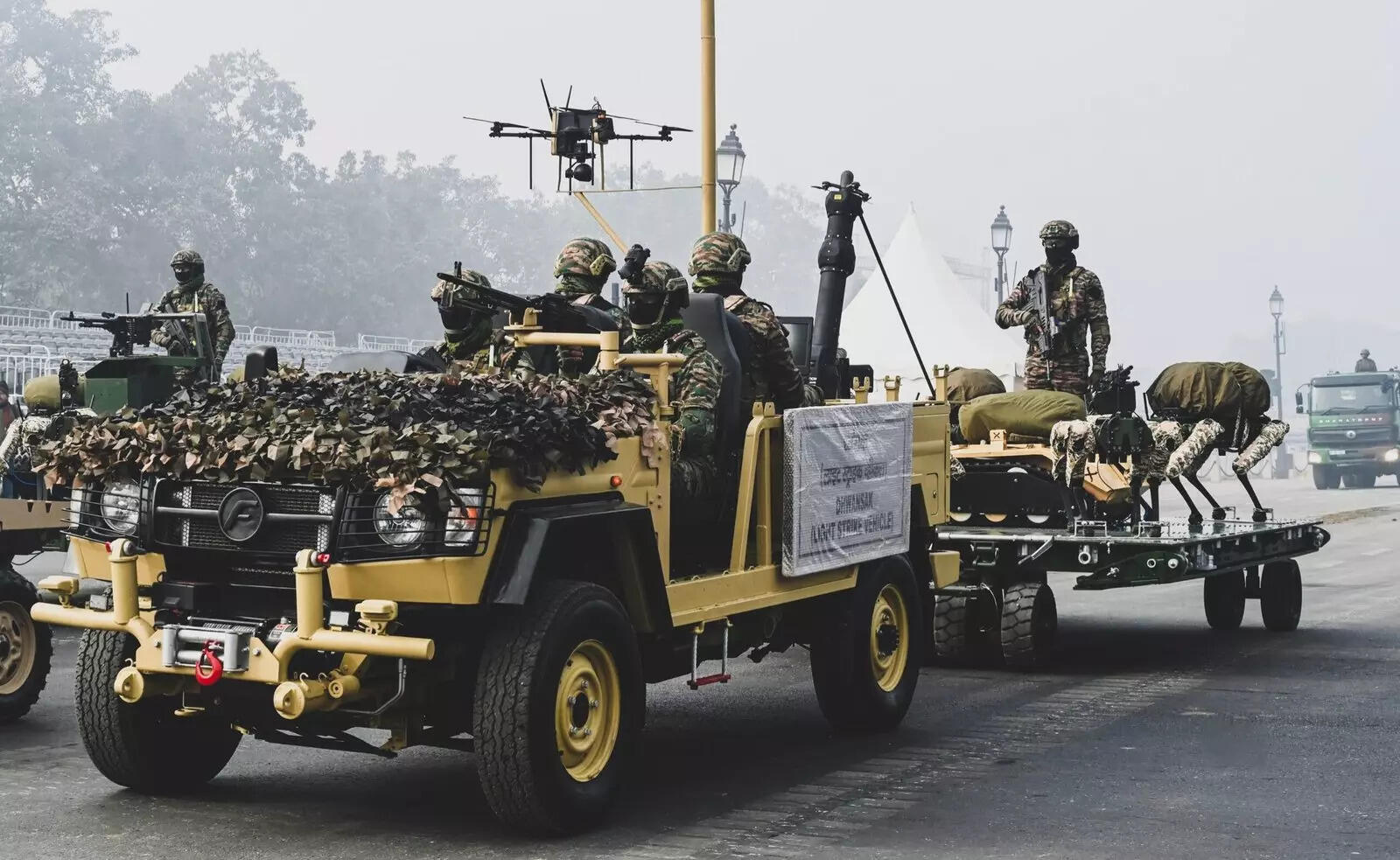
In December 1929, at the Lahore session of the Congress, the mood hardened. The Purna Swaraj resolution was passed, rejecting half-measures and demanding complete independence. To seal this resolve, January 26, 1930, was declared Independence Day. Across the country, Indians took a public pledge to fight for full freedom. For the next 17 years, January 26 symbolised defiance and self-belief.
That gap was filled by the Constituent Assembly, led by Dr B.R. Ambedkar, which spent nearly three years drafting a new Constitution. It was adopted on November 26, 1949, and could have been enforced immediately.
So, on January 26, 1950, the Constitution came into force. Colonial laws were scrapped, the Governor-General’s post vanished, and India became a Sovereign, Democratic Republic with a President as head of state.
January 26: India’s First Independence Day
Long before August 15 became historic, January 26 held that honour. In the late 1920s, India’s freedom struggle reached a turning point. The British offered “Dominion Status”, limited self-rule under the Crown. Senior leaders saw it as a tactical step. Younger voices like Jawaharlal Nehru and Subhas Chandra Bose saw it as a compromise too far.In December 1929, at the Lahore session of the Congress, the mood hardened. The Purna Swaraj resolution was passed, rejecting half-measures and demanding complete independence. To seal this resolve, January 26, 1930, was declared Independence Day. Across the country, Indians took a public pledge to fight for full freedom. For the next 17 years, January 26 symbolised defiance and self-belief.
The Sudden Shift in 1947
When the British finally decided to leave, the date wasn’t chosen by India. Lord Mountbatten fixed August 15, 1947, for the transfer of power, largely because it aligned with an anniversary important to him. India gained freedom, but the emotional weight of January 26 was pushed aside.Free, But Not Yet a Republic
There was another catch. After August 15, India was independent, but not fully sovereign in a constitutional sense. The country still ran on the Government of India Act, 1935, and King George VI remained the formal head of state. India was free, yet governed by colonial-era laws.That gap was filled by the Constituent Assembly, led by Dr B.R. Ambedkar, which spent nearly three years drafting a new Constitution. It was adopted on November 26, 1949, and could have been enforced immediately.
A Date Chosen With Purpose
Instead, India waited. Leaders saw a powerful coincidence approaching: January 26, 1950, marked 20 years since the Purna Swaraj declaration. Reviving the old Independence Day felt right. It would turn a day of promise into a day of fulfilment.So, on January 26, 1950, the Constitution came into force. Colonial laws were scrapped, the Governor-General’s post vanished, and India became a Sovereign, Democratic Republic with a President as head of state.
Two Dates, Two Meanings
August 15 celebrates freedom from foreign rule, the breaking of chains. January 26 celebrates self-rule, the birth of a constitutional identity. Republic Day reminds us that India’s democracy wasn’t an accident of 1947, but a dream declared decades earlier and finally realised in 1950.Next Story