
Why Indian Trains Have Different Colours and What They Mean

Step onto any busy platform in Indian Railways and one thing stands out instantly. Trains are not just long lines of steel. They come in distinct colours. Deep blue, rich red, and sleek white trains pass by, each quietly telling a story about the journey ahead.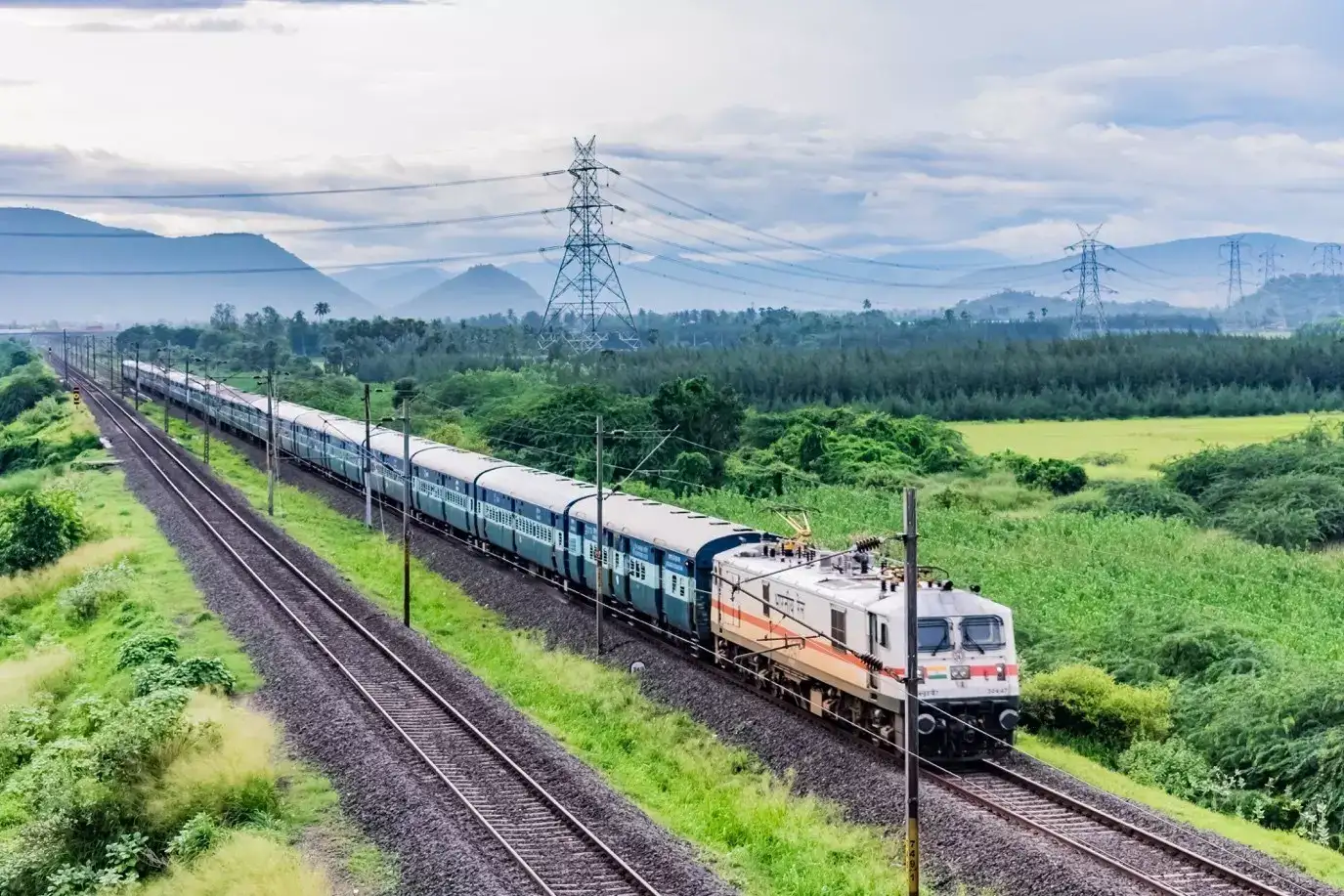
At first glance, these colours may seem like simple design choices. In reality, they offer subtle clues about the kind of train you are boarding, the experience you can expect, and even how modern the train is.
The familiar blue coaches
The most common trains across India are the blue ones. These are the older generation coaches built by the Integral Coach Factory, often called ICF coaches. For decades, they have formed the backbone of long-distance travel, carrying millions of passengers every day.
If your train has blue coaches, it is likely a mail or express service. These trains are dependable, widely available, and budget-friendly. The experience is simple and functional. While they may not offer the latest features, they remain a familiar part of travel for many.
The rise of red coaches
Over the past few years, red or maroon coaches have become more common, especially on busy routes. These are known as LHB coaches, introduced to improve safety and comfort.
For travellers, a red train usually signals a more modern journey. These coaches are designed for higher speeds and offer a smoother ride. They are also built with better safety features, making them more resilient in case of accidents. Many superfast and premium trains now use these coaches, marking a clear shift from older designs.
The sleek white trains of today
Then there are the striking white trains that look almost futuristic. The best example is the Vande Bharat Express. Unlike traditional trains, these are designed as trainsets, where the engine and coaches form a single integrated unit.
For passengers, white trains represent speed, comfort, and a premium travel experience. From modern interiors to faster acceleration, these trains are built for a new era of rail travel in India.
Colours are helpful, but not the full picture
While colours give useful hints, they do not tell you everything. A red train is not always faster than a blue one, and a blue train is not necessarily slower. The real details lie elsewhere.
To understand your journey better, always check:
Colours offer a quick visual guide, but they are only part of the story.
Why this matters when you travel
In crowded stations, these colour cues can be surprisingly helpful. A quick glance can give you a rough idea of what to expect. You might instantly recognise whether your train is older or newer, or whether it is likely to offer a more comfortable ride.
More than anything, these colours add to the charm of travelling across India. They turn an ordinary journey into something more observant and engaging. When you begin to notice them, you are not just moving from one place to another. You are understanding the rhythm and evolution of one of the world’s largest railway networks.
And sometimes, that small detail makes the journey even more memorable.
At first glance, these colours may seem like simple design choices. In reality, they offer subtle clues about the kind of train you are boarding, the experience you can expect, and even how modern the train is.
The familiar blue coaches
The most common trains across India are the blue ones. These are the older generation coaches built by the Integral Coach Factory, often called ICF coaches. For decades, they have formed the backbone of long-distance travel, carrying millions of passengers every day.If your train has blue coaches, it is likely a mail or express service. These trains are dependable, widely available, and budget-friendly. The experience is simple and functional. While they may not offer the latest features, they remain a familiar part of travel for many.
The rise of red coaches
Over the past few years, red or maroon coaches have become more common, especially on busy routes. These are known as LHB coaches, introduced to improve safety and comfort.You may also like
- AJUP chief Humayun Kabir announces names of candidates for West Bengal assembly elections
- Lucknow Police nabs accused in snatching case after encounter
- Major update for air travelers: DGCA releases flight schedule
- Dehradun police launch probe into alleged religious manipulation of 15-Year-Old; 3 charged under anti-conversion law
- Morning drizzle, temperature dips; Delhi records 20°C amid thunderstorm warning
For travellers, a red train usually signals a more modern journey. These coaches are designed for higher speeds and offer a smoother ride. They are also built with better safety features, making them more resilient in case of accidents. Many superfast and premium trains now use these coaches, marking a clear shift from older designs.
The sleek white trains of today
Then there are the striking white trains that look almost futuristic. The best example is the Vande Bharat Express. Unlike traditional trains, these are designed as trainsets, where the engine and coaches form a single integrated unit. For passengers, white trains represent speed, comfort, and a premium travel experience. From modern interiors to faster acceleration, these trains are built for a new era of rail travel in India.
Colours are helpful, but not the full picture
While colours give useful hints, they do not tell you everything. A red train is not always faster than a blue one, and a blue train is not necessarily slower. The real details lie elsewhere.To understand your journey better, always check:
- The type of train such as Express, Superfast, or Rajdhani
- Your coach class like Sleeper, 3AC, or Chair Car
- Timings and ticket details
Colours offer a quick visual guide, but they are only part of the story.
Why this matters when you travel
In crowded stations, these colour cues can be surprisingly helpful. A quick glance can give you a rough idea of what to expect. You might instantly recognise whether your train is older or newer, or whether it is likely to offer a more comfortable ride. More than anything, these colours add to the charm of travelling across India. They turn an ordinary journey into something more observant and engaging. When you begin to notice them, you are not just moving from one place to another. You are understanding the rhythm and evolution of one of the world’s largest railway networks.
And sometimes, that small detail makes the journey even more memorable.






More from our partners


Loving Newspoint? Download the app now
