
Why the Prime Minister Pays Tribute at the War Memorial Before Republic Day Celebrations

Before the drums echo along Kartavya Path and the Tricolour rises against the winter sky, New Delhi pauses. The roads are empty, the air is sharp, and the city holds its breath. At this quiet hour on January 26, the Prime Minister’s motorcade turns not towards celebration, but towards remembrance, the National War Memorial .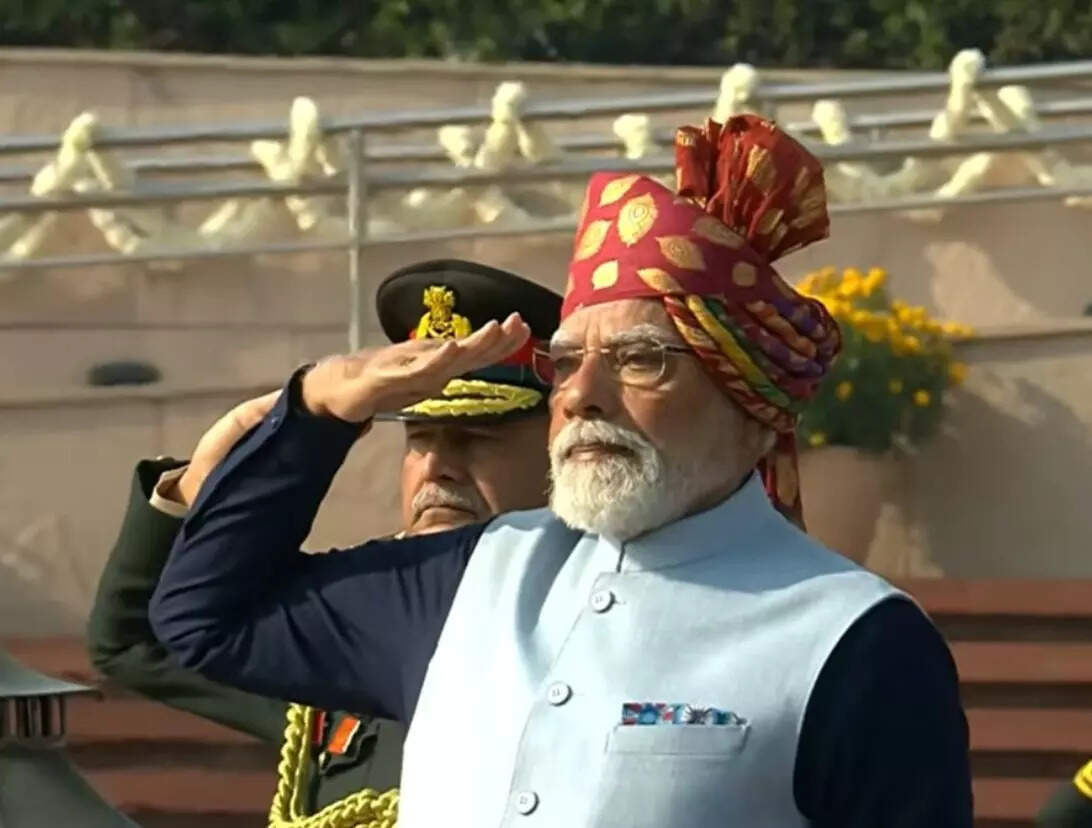
A Ceremony Without Applause
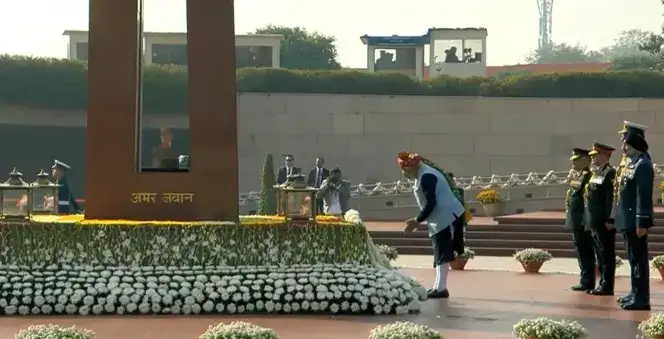
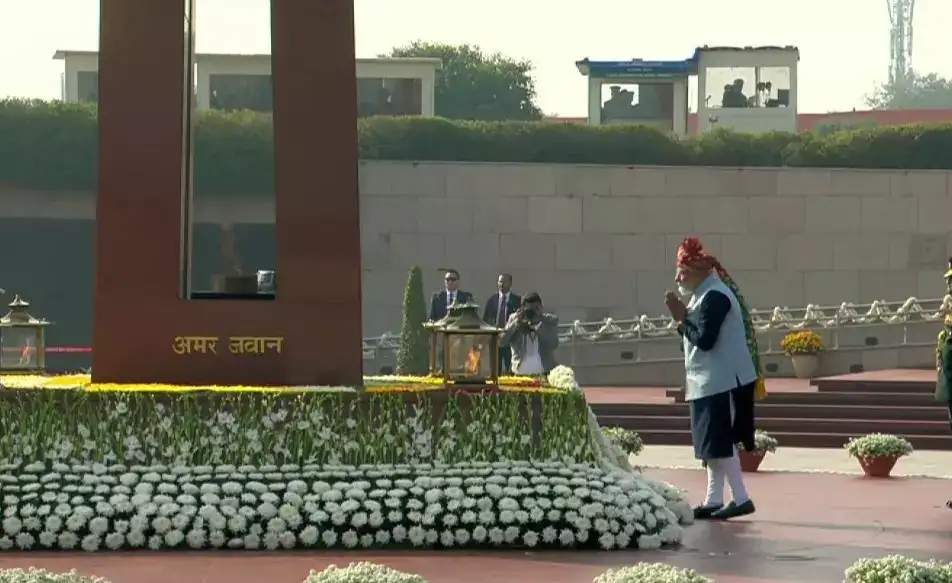
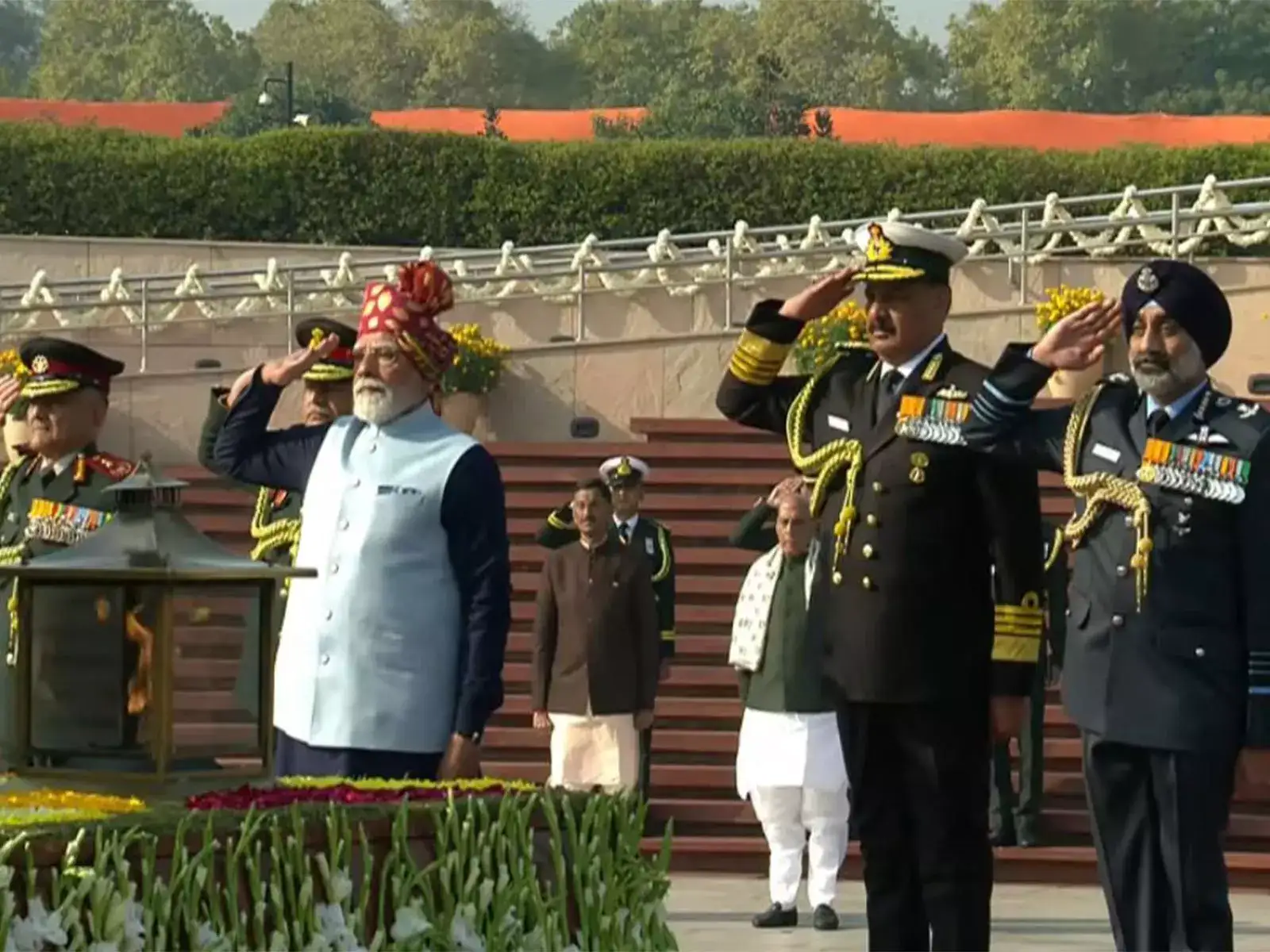
The Prime Minister arrives with the Defence Minister and the chiefs of the Army, Navy and Air Force. There is no crowd, no speech, no anthem. Only stone walls, an eternal flame, and thousands of names etched into history. Carrying a wreath, the Prime Minister walks alone, bows his head, and stands still. In that silence, Republic Day truly begins.From Amar Jawan Jyoti to the War Memorial
For decades, India’s leaders paid homage at Amar Jawan Jyoti near India Gate. In 2019, the tradition moved to the National War Memorial. This was more than a change of venue. It marked a deeper shift, from symbolic tribute to a dedicated space that records every soldier who laid down their life after Independence.Names That Tell Untold Stories
From the first conflict of 1947 to Kargil and beyond, the memorial bears thousands of names. Each one represents a life cut short, a family forever changed, and a duty fulfilled under impossible conditions. The memorial doesn’t glorify war. It remembers its cost.Sacrifice Before Celebration
By starting Republic Day here, the message is clear: sacrifice comes before spectacle. The parade, the flypast, and the medals that follow are not displays of power, but reminders of responsibility. The Republic stands because someone, somewhere, stood guard in silence.A Message to the Armed Forces
This visit speaks directly to the men and women in uniform. It tells them their service is seen, their sacrifices remembered, and their role in protecting democracy understood. The Republic is civilian-led, but it rests on the unseen vigilance of its soldiers.Then Comes the Celebration
Only after this moment of reflection does the Prime Minister proceed to Kartavya Path. There, the President unfurls the Tricolour. The Constitution takes centre stage. The parade rolls on, and the nation celebrates itself. The sequence is intentional, first gratitude, then pride.A Global Democratic Tradition
Historians note that many democracies honour their war dead before major national ceremonies. It reinforces a simple truth: freedom and peace are not abstract ideas, but outcomes secured by real people whose names rarely make headlines.About the National War Memorial
Inaugurated on February 25, 2019, the National War Memorial stands near India Gate as a permanent tribute to India’s fallen soldiers. It honours over 25,000 personnel who lost their lives in post-Independence conflicts and operations. Designed as a place of quiet reflection, it gives the nation a space to remember sacrifice beyond ceremonial occasions.Why the Order Matters
When the Tricolour finally rises that morning, it carries more than colour. It carries memory. That is why the Prime Minister goes to the National War Memorial first, to bow to the past, so the present can celebrate in peace.Next Story